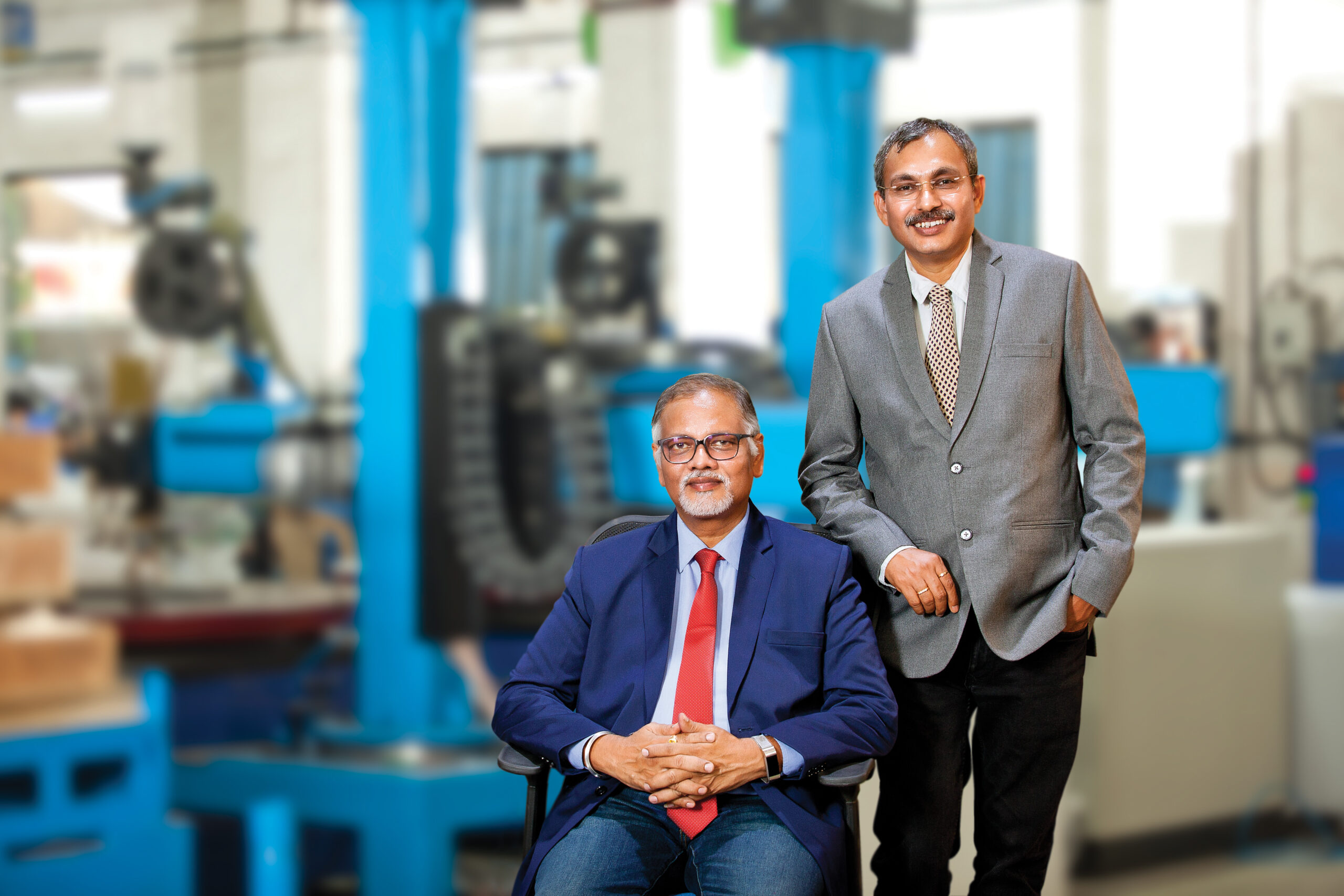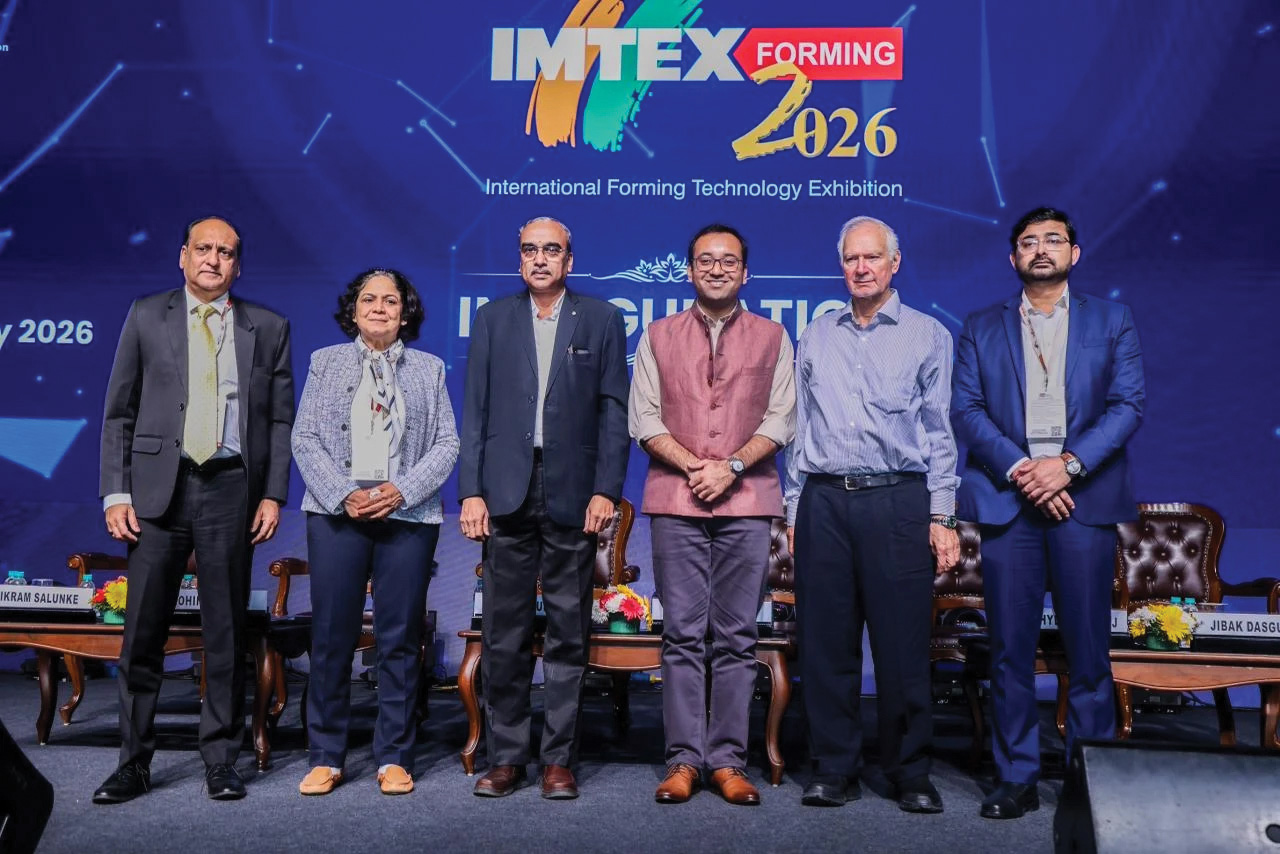

Mr. R Mohan, Mr. Dewang Kapadia
India’s EV ambitions demand more than higher production volumes—they require deep advancements in materials, tribology, thermal management, manufacturing technologies, and energy systems. As the nation targets a tenfold increase in passenger EV output by 2030, building a self-reliant, high-performance ecosystem becomes crucial for both automotive and component industries.
Building the Atmanirbhar EV Ecosystem: Why It Matters to Bearings & Mechanical Systems
India’s EV transition is accelerating, yet the scale of the challenge is unprecedented. Passenger EV production must rise from 0.25 million units in 2025 to 2.5 million units by 2030, while EVs currently account for just 4.43% of the market. Achieving this leap requires breakthroughs in critical materials, advanced manufacturing, structural components, load-bearing systems, and energy infrastructure.
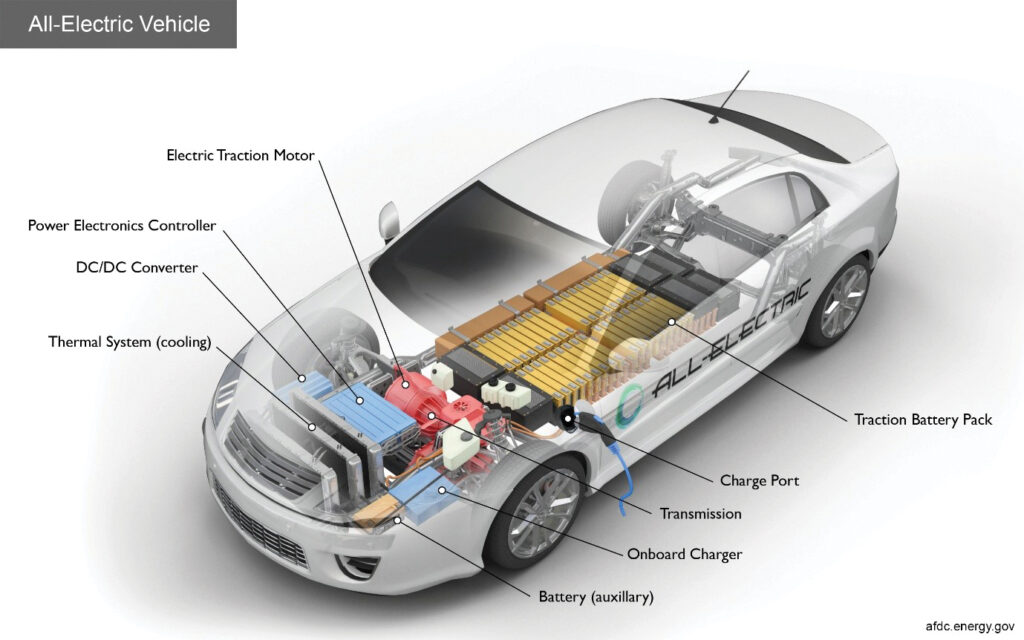
For the bearings industry—central to drivetrains, motors, gearboxes, e-axles, chassis, and thermal systems—this shift demands new materials, new load profiles, new lubrication needs, and superior reliability under electrified environments.
1. Critical Materials: Redefining the Heart of the EV
The lithium-ion battery remains the core of EV propulsion, thermal regulation, and control systems. India’s dependency on China for lithium resources creates both strategic and commercial vulnerabilities.
Sodium-Ion Batteries – The Indian Opportunity. Sodium-ion chemistry is emerging as a domestic alternative, backed by abundant raw materials such as sodium chloride, manganese, phosphates, and iron ore. However, technological gaps persist:
- Higher density (0.971 g/cc) heavier battery modules
- Slower ion kinetics → reduced power efficiency
- Component redesign → cathodes, anodes, electrolytes, separators
A breakthrough from the Jawaharlal Nehru Centre for Advanced Scientific Research—capable of 80% charge in six minutes and 3,000 cycles—is promising. For bearings and related components, these shifts can alter:
- Vehicle mass distribution
- Torque and load patterns
- Thermal loads
- Noise and vibration characteristics
Scaling production, ensuring safety, and optimizing energy density remain immediate priorities.
2. Material Innovation: Lightweighting & Structural Transformation
Magnesium Alloys for Weight Reduction
While aluminum alloys contribute nearly 300 kg in a typical EV, magnesium alloys offer significant opportunities:
- Density advantage: Mg 1.74 g/cc vs Al 2.7 g/cc
- Weight reduction → extended driving range
- Higher strength-to-weight ratio
However, key challenges exist:
- Lower corrosion resistance
- Higher extraction/processing costs
- Safety risks due to reactivity near 650°C
- Complexities in casting and machining
High-performance Mg alloys can redefine:
- Suspension components
- Steering systems
- Motor housings
- Battery casings
These changes directly impact bearing loads, tolerances, thermal expansion rates, and vibration behaviour.
Giga Casting – Reshaping Vehicle Structures
Giga Casting, the process of producing single-piece aluminum structures, is transforming global EV manufacturing.
Benefits include:
- Reduced weight and complexity
- Higher dimensional accuracy
- Lower welding and assembly requirements
- Enhanced structural stiffness → improved bearing alignment and reduced stress
- India’s adoption requires investment in:
- High-tonnage die-casting presses
- Advanced cooling and die-lubrication systems
- AI-driven defect detection
The bearings industry must adapt to new NVH patterns, structural rigidity changes, and altered resonance behaviour of giga-cast vehicle platforms.
3. Energy Infrastructure: The Invisible Backbone of EV Manufacturing
EV production and usage demand a highly stable energy ecosystem:
- Dense fast-charging networks
- High-efficiency transmission and distribution systems
- Large-scale storage for renewable integration
- Reliable grid-level power for gigafactories
India’s current renewable capacity stands at 250 GW, but actual utilization is only ~20%, far below fossil fuel utilization levels. For bearing manufacturers, the shift to EV ecosystems also changes:
- Power demands for heat-treatment lines
- Controlled-atmosphere furnaces for alloy components
- Precision machining energy requirements
- Thermal processing for high-performance steels
Investments in solar, wind, hydro, and nuclear must be coupled with improved storage to stabilize supply.
4. Safety, Certification & Reliability – The Next Frontier
New materials and chemistries bring new failure modes. Sodium-ion batteries, Mg alloy components, giga-cast structures—all require:
- Fresh safety certifications
- Robust thermal management systems
- New fire-resistance and corrosion-protection standards
- Updated protocols for battery enclosure design, crash loads, and mechanical failure conditions
For bearings and rotating components, reliability expectations under EV-specific operating conditions—high speeds, high torque, high temperatures, and minimal lubrication losses—will require:
- Special coatings
- Ceramic hybrids
- Advanced greases
- Enhanced sealing technologies
5. Capacity Utilization & the Push for Self-Reliance
India’s installed solar capacity is large, but underutilized. Maximizing fossil-fuel power generation while transitioning to high-utilization renewable sources will support rapid scaling of EV production.
Aligning power availability with component manufacturing hubs ensures:
- Stable production
- Reduced downtime
- Efficient heat treatment and machining operations
- Cost competitiveness in domestic and export markets
This is critical for bearings and precision-component suppliers expected to serve a rapidly expanding EV industry.
Conclusion: A Transformational Moment for India’s Manufacturing Backbone
India’s EV ambition represents more than a shift in automotive technology—it is a materials challenge, a manufacturing challenge, an energy challenge, and a reliability challenge. The bearings industry, with its focus on precision, performance, and long-term durability, stands at the center of this shift.
Success depends on:
- Stronger R&D in alternative batteries and lightweight materials
- Rapid modernization of casting, forging, and machining capabilities
- Robust safety and certification frameworks
- Scalable, reliable energy infrastructure
- Government policies that prioritize execution and industry collaboration
With sustained innovation and self-belief, India can achieve true Atmanirbharta and emerge as a global hub for EV passenger cars—supported by a world-class bearings and components ecosystem.