India’s power landscape is evolving from conventional backup toward smarter power conditioning and energy storage. Since its incorporation in 2008, Prostarm has expanded from batteries and UPS systems into inverters, solar solutions, lithium-ion batteries and BESS, focusing on application-specific solutions for reliable and efficient power infrastructure.
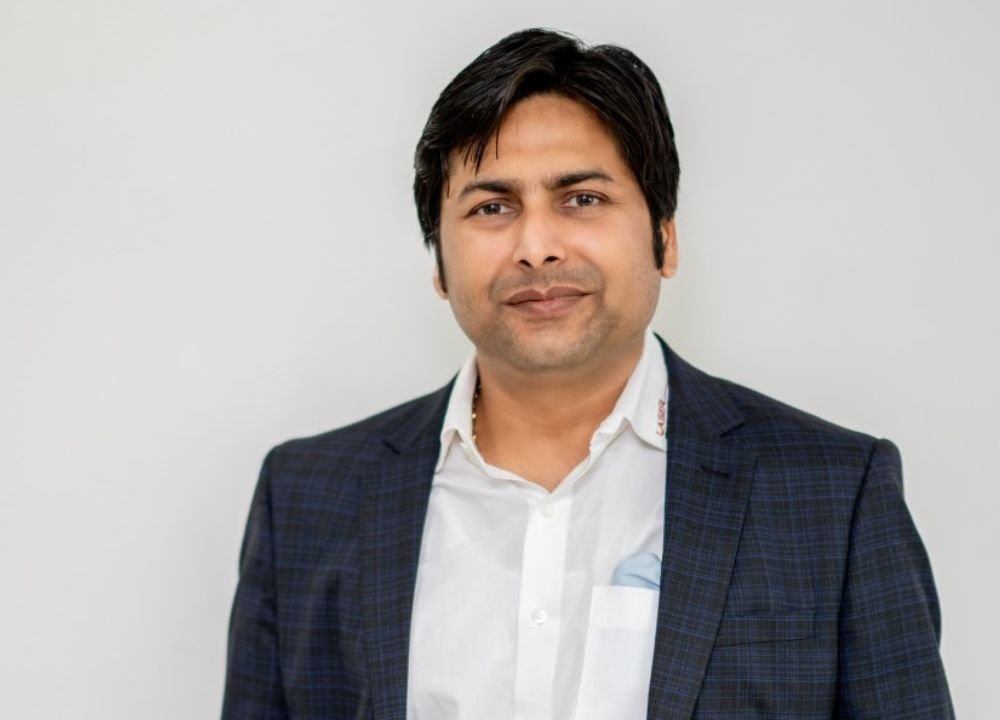
Ram Agarwal, Whole Time Director & CEO.
Prostarm began with power backup solutions. How has the company evolved since then?
Prostarm was incorporated in 2008, and our early work centred on batteries and uninterrupted power supply systems. Over time, we expanded our capabilities in designing, manufacturing, assembling, supplying and servicing power conditioning and energy storage equipment. Today, our portfolio spans UPS systems, inverters, solar hybrid inverters, lithium-ion battery solutions, voltage stabilizers, isolation transformers and battery energy storage systems. The common thread is a practical one: understanding what a site needs from its power infrastructure and matching the solution to that need.
What is the central idea behind Prostarm’s approach to customers?
Power requirements vary considerably. A bank branch, a healthcare facility, a manufacturing plant and a renewable energy project may all need reliable power, but their loads, operating patterns and support requirements differ. We try to begin with the application: what must stay operational, what power conditions the equipment will face, and how the system will be maintained. That assessment shapes the product selection and the support that follows. We offer both standard and customized solutions, depending on the application.
How do you describe the company’s product portfolio without losing sight of its purpose?
Our UPS systems serve applications where an interruption to supply can affect operations or sensitive equipment. Stabilizers address voltage variation; isolation transformers and other power conditioning products meet specific electrical requirements. Solar hybrid inverters help manage power from different sources, while battery energy storage systems can store energy for uses determined by the project design. These are distinct technologies, but customers benefit when the discussion considers the full power system rather than a single item in isolation.
Market and industry
Where does Prostarm see the greatest change in customer needs?
Customers continue to value continuity, but the discussion is becoming broader. They are looking at power quality, energy management and the role storage can play alongside conventional backup and renewable generation. A UPS and a battery energy storage system answer different needs, so a sound recommendation starts with understanding the site rather than treating them as interchangeable. We see growing interest in solutions that fit existing electrical infrastructure and can be supported through their working life.
Which sectors does Prostarm serve?
Our work spans a range of public and private applications, including banking and financial services, healthcare, aviation, railways, education, information technology, industrial sites and renewable energy. The particular product or system differs from one setting to another. What unites them is the need to treat dependable power as part of the customer’s operations, rather than as an afterthought.
India’s BESS market is expected to expand rapidly. Is domestic demand sufficient to support large-scale manufacturing, and how important is the commercial and industrial segment?
We believe the direction of demand supports serious investment in Indian BESS capability, although project execution and commercial viability will determine the pace. The Central Electricity Authority’s long-term plan projects a substantial increase in BESS capacity requirements by 2031–32. Storage helps shift energy to when it is needed and supports the integration of variable renewable generation; it does not create electricity or replace every form of generation. Grid-scale projects are one part of the opportunity. Commercial and industrial users are also important because their needs can include managing peaks, integrating onsite solar and improving continuity, depending on tariff, load profile and site design. Those applications require appropriately sized and engineered systems rather than a single standard answer.
BESS manufacturing and localisation
Battery storage is receiving considerable attention. What is Prostarm’s approach to this segment?
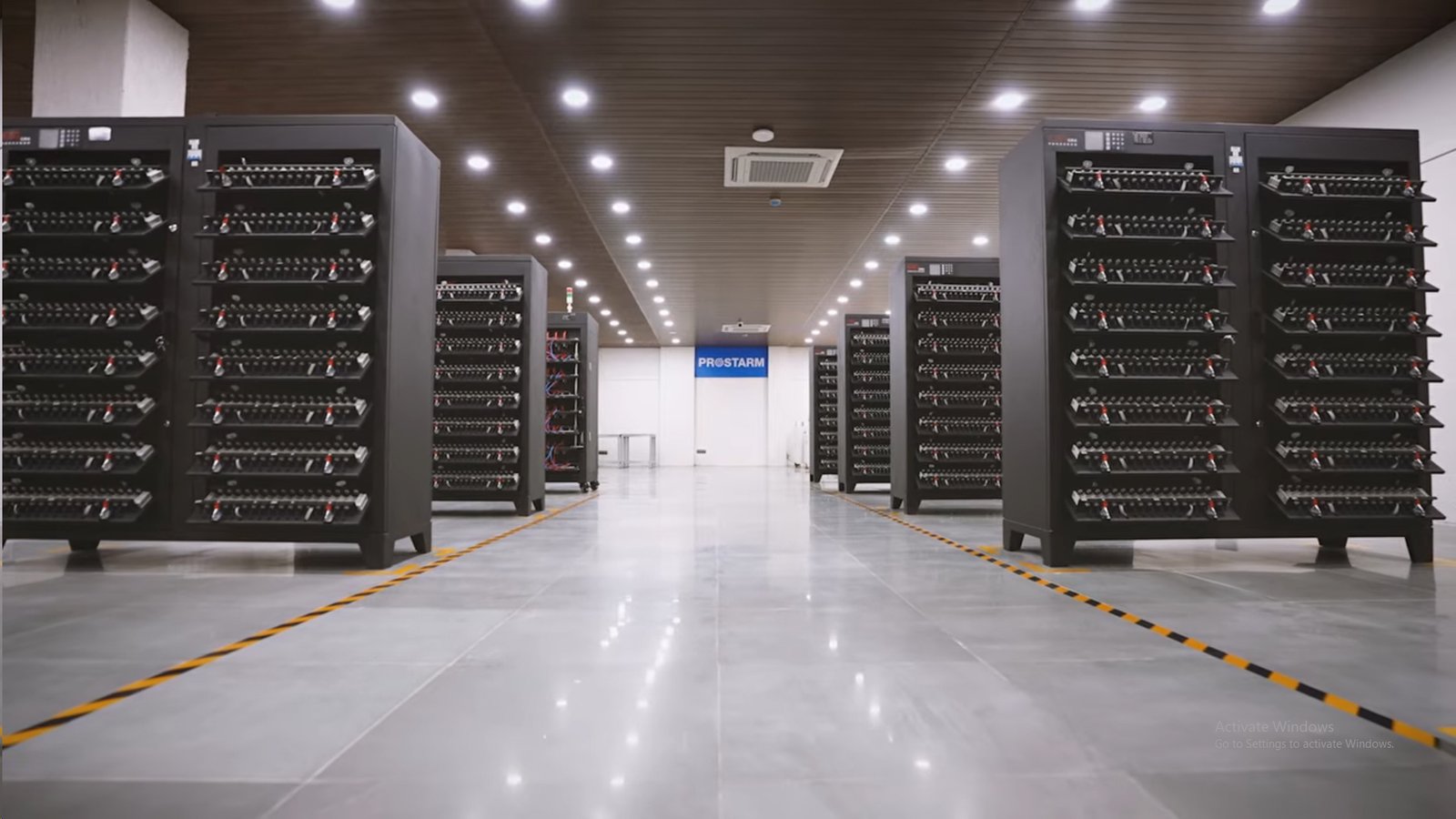
We view battery energy storage as an extension of our work in power electronics and energy solutions. The right configuration depends on the required power and energy, operating duty, site conditions, system integration and service plan. Our investment in a BESS manufacturing facility at Jhajjar, Haryana, reflects our intention to build greater system manufacturing and integration capability in India. The facility has a stated annual capacity of 1.2 GWh. Our focus is on developing that capability and applying it to projects whose requirements we understand clearly.
Which parts of the BESS value chain can India localize, and where does Prostarm see its own role?
India can develop stronger capability in battery pack assembly, enclosures and containers, electrical integration, power conversion, controls, software, testing and after-sales support. Cells and some upstream materials remain areas where import dependence is significant, while domestic capabilities are developing. A battery management system is also an area for engineering and localization, not something we would assume must always be imported. Prostarm’s immediate focus is on building system-level manufacturing and integration capability around customer and project requirements. We should be clear about the origin of each major component rather than call a complete system fully indigenous simply because it is assembled locally.
By 2030, could India become a BESS manufacturing hub, a system-integration hub, or both?
There is a credible path toward both, but the stages may move at different speeds. Pack assembly, system engineering, cabinet and container integration, power electronics and service capability can develop alongside a growing project market. Cell manufacturing requires a different level of investment, supply-chain development, technical expertise and scale. The availability of lithium and other battery materials matters, but it is one of several factors. For Prostarm, the practical priority is to strengthen what we can design, manufacture, integrate, test and support reliably in India, while remaining transparent about sourced components.
Policy environment
Are present policy measures enough to give BESS manufacturers confidence? What is your view on domestic-content rules or an approved list of models and manufacturers?
Government measures to support storage deployment and advanced battery manufacturing are constructive because they help establish demand and investment visibility. The industry also benefits from predictable procurement, safety and testing requirements, and clear treatment of imported components. Any domestic-content requirement or approved-list approach should be developed with industry consultation, realistic transition periods and a clear view of what can be made competitively in India today. The goal should be to build reliable domestic capability without disrupting projects that currently depend on global cell supply chains. We would avoid setting one blanket domestic-content percentage for every BESS configuration.
Applications quality and service
How does your experience in critical power applications inform newer energy projects?
It has taught us that a product specification is only part of the answer. Selection, installation, commissioning, monitoring and support all affect how a system performs for the customer. In critical applications, people also need clarity on what a system can and cannot do. We bring that discipline to newer projects by discussing the operating requirement upfront and involving the relevant technical teams as a solution is developed.
What are the most common mistakes organizations make when choosing a power solution?
One is specifying a product before defining the load and operating conditions. Another is looking only at the initial equipment cost while leaving installation, service access and lifecycle support out of the discussion. We encourage customers to identify the critical loads, expected duration, site conditions, maintenance responsibilities and future expansion plans. Those details help the engineering team recommend an appropriate configuration and explain the trade-offs clearly.
What role do quality and service play in that recommendation?
A power system must be suited to its application, installed correctly and supported after delivery. We approach quality through product selection, engineering, testing and attention to the applicable specifications for each project. Service is equally important: customers need a clear route to assistance and a realistic maintenance plan. We would rather make a precise, supportable commitment than a broad promise that ignores site conditions.
How does renewable energy change the conversation around power continuity?
Renewable generation creates opportunities to use energy more flexibly, but it also adds questions about conversion, storage and coordination with the grid and existing equipment. Solar hybrid inverters and storage can form part of a broader design where the application calls for them. Their value must be assessed against the actual load profile, site conditions and operating objectives. For us, the opportunity is to bring power conditioning and energy storage expertise into that discussion.
Industry engagement and future outlook
What did recent industry exhibitions reveal about customer priorities?
Our teams took part in the Maharashtra Urja Expo in Pune and the Global Solar Expo in Jaipur. The response at both events was encouraging, and the conversations reinforced the value of discussing real applications with customers, partners and other industry participants. We heard interest in reliable power and energy storage across different types of projects. We use these interactions to understand requirements better and to guide the follow-up work after an exhibition.
What is your outlook as Prostarm prepares for Renewable Energy India Expo in October?
REI gives us an opportunity to continue conversations with developers, EPC companies, technology partners and customers working across the renewable energy sector. We look forward to presenting our power and energy storage capabilities, learning more about project needs and discussing where our solutions may fit. We see exhibitions as a starting point for careful technical and commercial dialogue, not as a measure of success by footfall alone.
Leadership perspective
What would you like readers to take away about Prostarm?
We began by addressing a straightforward need: dependable power. As customer requirements have evolved, our capabilities have expanded into a wider set of power conditioning and energy storage solutions. Our aim is to understand the application, propose a suitable solution and stand behind it with appropriate support. That is how we intend to contribute as India’s power and energy landscape continues to change.
For more info:
www.prostarm.com