India’s pharmaceutical industry is one of the largest in the world, supplying life-saving medicines across domestic and international markets. However, maintaining product quality during transportation remains a significant challenge. With digital technologies such as GPS tracking, IoT-enabled temperature monitoring, and cloud-based analytics, cold chain logistics is evolving into a smarter, more transparent, and data-driven ecosystem that ensures product integrity and regulatory compliance.
The pharmaceutical supply chain extends far beyond manufacturing facilities and warehouses. Once medicines, vaccines, active pharmaceutical ingredients (APIs), and other temperature-sensitive products leave production units, they enter a critical transportation phase where maintaining precise environmental conditions becomes essential. Even minor temperature fluctuations during transit can compromise product efficacy, reduce shelf life, and create compliance issues that ultimately affect patient safety.
Traditionally, logistics operators relied on manual documentation and post-delivery inspections to verify shipment conditions. While these methods provided a basic level of oversight, they offered little visibility into what actually happened during transit. If a shipment experienced temperature deviations or unexpected delays, the issue was often discovered only after delivery, making corrective action impossible.
The rise of Industry 4.0 technologies has transformed this approach. Today, connected logistics solutions integrate GPS tracking, IoT sensors, cloud computing, and real-time dashboards to provide continuous visibility throughout the transportation journey. This shift enables pharmaceutical companies to monitor every shipment in real time, ensuring that products remain within prescribed temperature ranges while moving through complex supply chains.
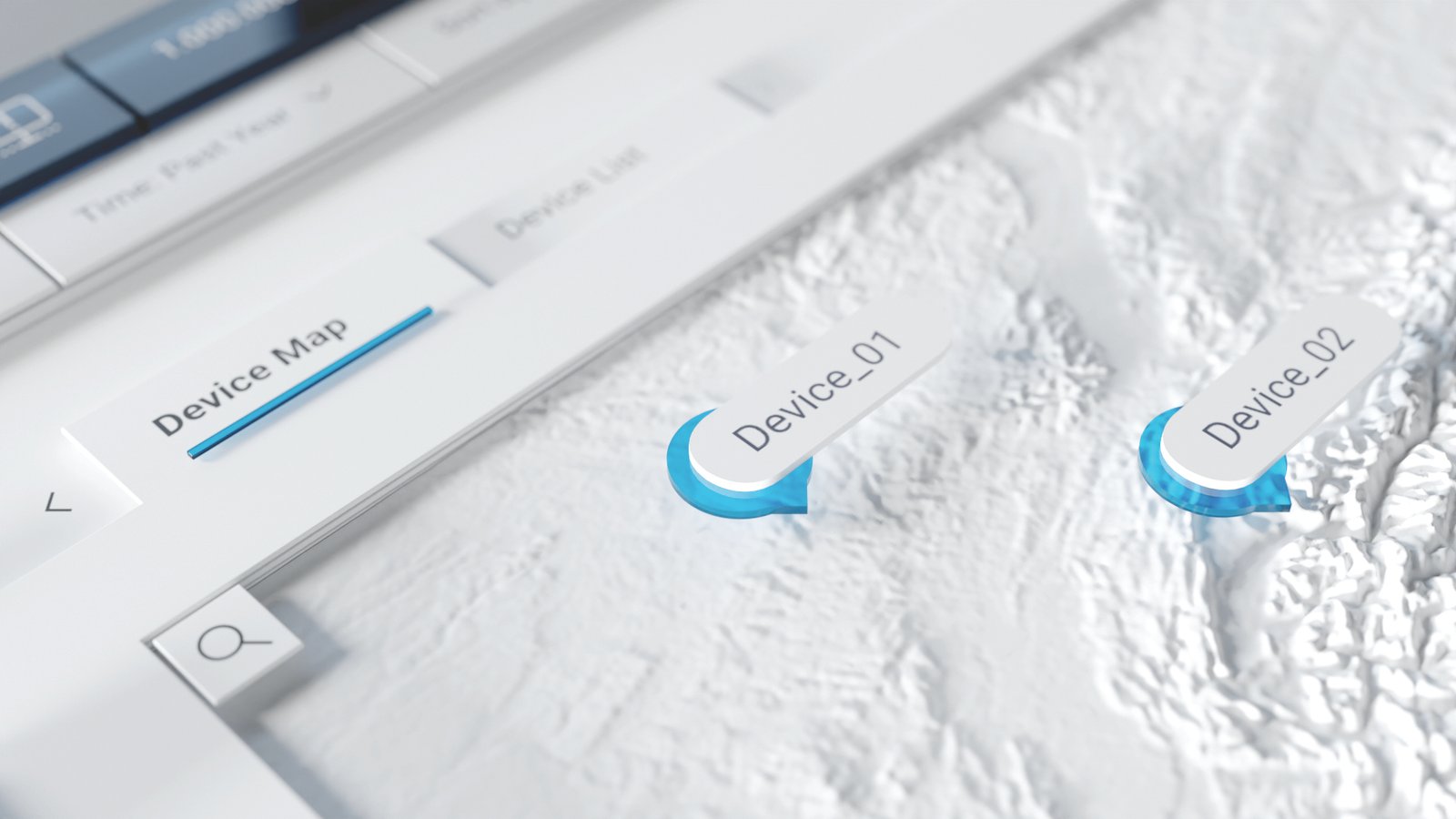
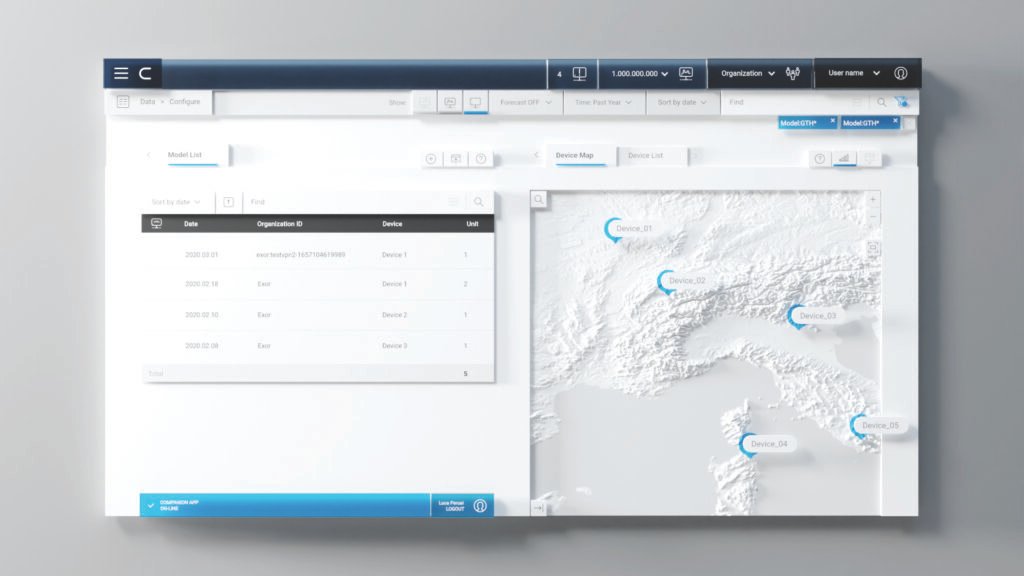
One of the most significant advancements in modern cold chain logistics is the ability to combine vehicle location with environmental monitoring. Instead of simply knowing where a truck is, logistics teams can simultaneously track storage temperatures, route progress, and shipment conditions from a single interface. This integrated visibility empowers operations managers to respond immediately if temperatures exceed predefined thresholds, reducing the risk of product spoilage and minimizing costly losses.
Real-time monitoring also enables proactive decision-making. Automated alerts notify operators the moment abnormal conditions occur, allowing them to investigate issues before they escalate. Whether caused by equipment failure, traffic congestion, prolonged loading times, or external weather conditions, potential risks can be addressed while the shipment is still in transit. This proactive approach marks a significant improvement over traditional reactive logistics management.
Beyond live tracking, historical transport data has become a valuable strategic asset. Every shipment generates detailed information about routes, travel duration, temperature patterns, and operational events. By linking route history with environmental data, companies can identify exactly when and where temperature deviations occurred. Such traceability supports quality investigations, regulatory audits, and continuous operational improvement.
Data-driven insights also help pharmaceutical organizations optimize logistics networks over time. By analyzing recurring temperature excursions, route bottlenecks, or loading delays, companies can redesign transportation strategies, improve carrier performance, and enhance overall supply chain efficiency. The result is not only greater compliance but also reduced operational costs and improved customer confidence.
Another crucial aspect of pharmaceutical logistics is documentation. Regulatory authorities require accurate records demonstrating that products remained within acceptable temperature ranges throughout transportation. Modern reporting tools automatically generate comprehensive transport reports that include route history, temperature logs, alerts, and event timelines. These digital records simplify compliance while reducing dependence on manual paperwork and fragmented documentation systems.
India’s pharmaceutical distribution network presents unique challenges due to its vast geography, diverse climatic conditions, and growing demand for healthcare products. Medicines often travel thousands of kilometers across regions with varying temperatures and infrastructure limitations. Managing such complexity requires scalable digital platforms capable of delivering reliable insights across multiple vehicles, warehouses, and distribution centers.
Cloud-based monitoring platforms further enhance accessibility by enabling logistics teams, quality managers, and decision-makers to access transport information from desktops, tablets, or mobile devices. Customizable dashboards and intelligent filters help stakeholders quickly identify critical events, monitor fleet performance, and coordinate responses across multiple locations without relying on disconnected systems.
As pharmaceutical logistics continues its digital transformation, visibility is becoming a competitive advantage rather than just an operational requirement. Companies are no longer satisfied with confirming that a shipment has arrived they also need complete assurance about how it traveled, under what conditions, and whether quality standards were consistently maintained throughout the journey. Integrated platforms that combine GPS tracking, temperature monitoring, automated alerts, route analytics, and intelligent reporting are redefining how cold chain logistics is managed.
The future of pharmaceutical transport lies in intelligent, connected ecosystems where real-time data drives faster decisions, improves compliance, and strengthens product integrity. As India’s pharmaceutical sector continues to expand globally, adopting advanced cold chain visibility solutions will be instrumental in delivering safer medicines, enhancing operational efficiency, and building a more resilient healthcare supply chain.
For more info :
www.exorint.com