As semiconductor technology moves toward smaller geometries, higher performance and increasingly complex architectures, the materials used in manufacturing equipment are facing tougher demands than ever before. Among these critical materials, perfluoroelastomers (FFKM) play an important role in maintaining the reliability, cleanliness and stability of semiconductor production environments.
The semiconductor industry is undergoing a major technological transformation. Gate-all-around transistors, extreme ultraviolet (EUV) lithography, atomic-scale deposition and etching, three-dimensional device structures and heterogeneous integration are pushing manufacturing capabilities to new levels. Behind these advanced processes is an equally sophisticated ecosystem of equipment and materials designed to maintain precise manufacturing conditions.
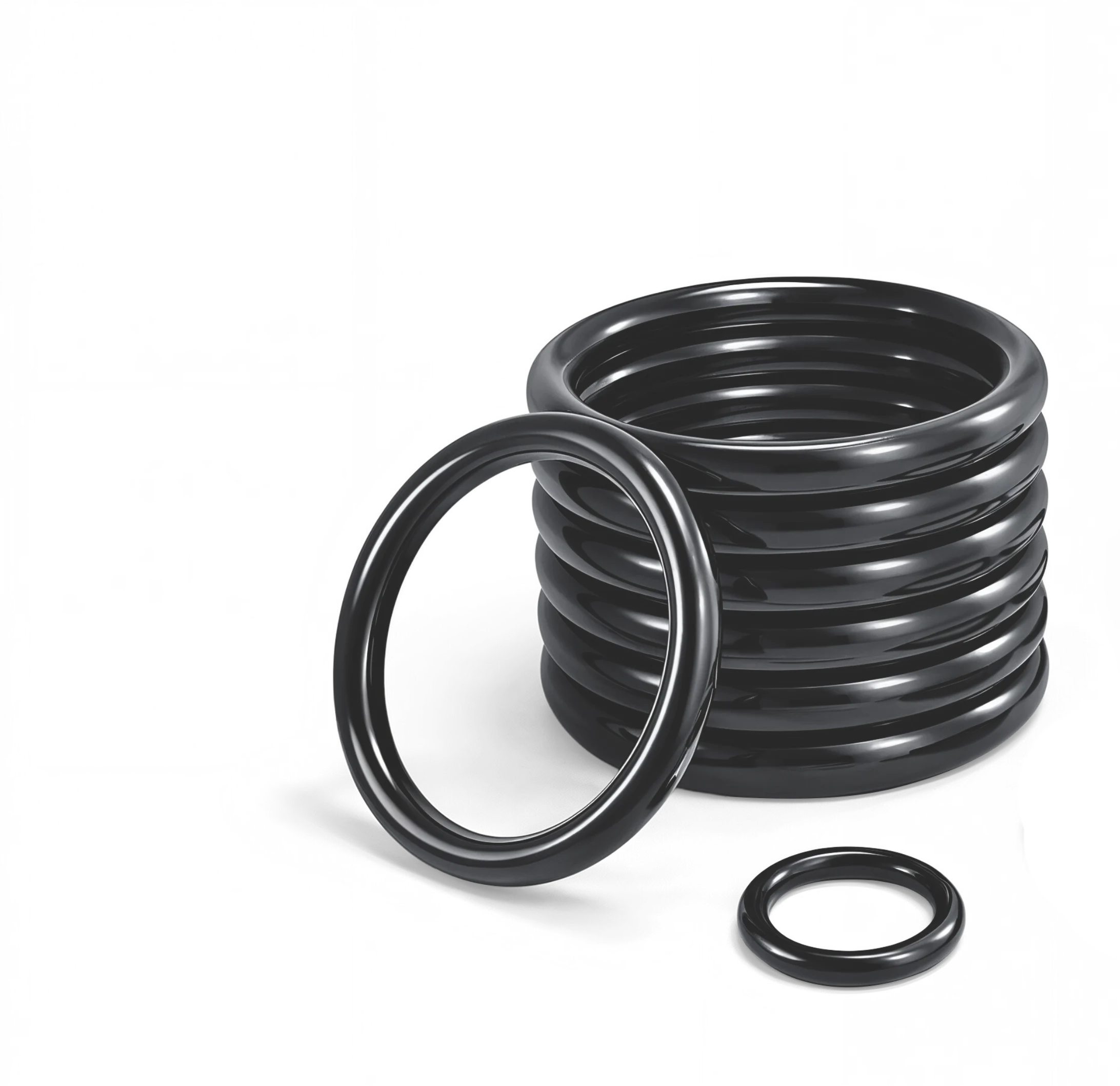
FFKM is one of the important enabling materials within this ecosystem. While it does not become part of the semiconductor device itself, it helps protect the highly controlled environments in which chips are manufactured. FFKM seals are used in vacuum chambers, plasma reactors, gas delivery systems and chemical processing equipment, where maintaining pressure and preventing contamination are essential.
Semiconductor manufacturing can expose sealing materials to extremely demanding conditions. Temperatures can exceed 300°C, while high vacuum, aggressive fluorine- and chlorine-based chemicals, energetic plasma, reactive radicals and repeated thermal cycling place significant stress on elastomeric components. Even minor degradation of a seal can influence process stability and contamination levels before an actual leakage failure occurs.
FFKM is designed to withstand these demanding environments. Its highly fluorinated polymer structure contains strong carbon-fluorine bonds, giving it exceptional resistance to chemical attack, oxidation and thermal degradation. At the same time, it retains the elasticity required to create reliable seals under challenging operating conditions.
For semiconductor applications, however, chemical and thermal resistance alone are not enough. Semiconductor-grade FFKM must also meet stringent requirements for low outgassing, minimal extractables, plasma resistance and low particle generation. These properties help maintain the cleanliness and consistency of critical process environments.
The importance of seal performance becomes even clearer when equipment downtime is considered. Although an FFKM seal may carry a higher initial cost than conventional sealing materials, its role extends far beyond simply preventing leaks. Premature seal failure can require equipment shutdown, component replacement, chamber cleaning, repair and process requalification. The resulting production interruptions and potential wafer losses can be significantly greater than the original cost of the sealing component.
As semiconductor manufacturing continues to advance, the operating window for materials will become increasingly demanding. More complex processes require tighter control over temperature, pressure, chemistry and contamination. In this environment, sealing materials must deliver consistent performance over extended operating cycles.
FFKM therefore represents more than a sealing solution. By helping maintain controlled process conditions under extreme manufacturing environments, it supports equipment reliability, process stability, productivity and wafer yield. As the world moves toward increasingly advanced semiconductor technologies, dependable sealing solutions will remain a critical part of the manufacturing infrastructure behind every next-generation chip.
Written By: Priyabrata Pattnaik
Chief Executive Officer (CEO)
Mail Id: pattnaik.p@amipolymer.com
For More Info:
www.amipolymer.com