
Add Your Heading Text Here
India’s manufacturing sector is entering a new era driven by precision, automation, and intelligent production systems. At the center of this transformation is laser technology a powerful innovation reshaping industries from automotive and aerospace to electronics and infrastructure. What once seemed futuristic is now becoming India’s strategic manufacturing advantage.
There was a time when Indian manufacturing relied heavily on experience, manual expertise, and traditional production methods. Skilled operators shaped metal through years of practice, and factories operated with determination despite limitations in technology and infrastructure. While this approach built a strong industrial foundation, it also created barriers to achieving global standards of precision, consistency, and scalability.
As global manufacturing evolved toward automation and micron-level accuracy, Indian industries faced a critical turning point. International customers were no longer satisfied with low-cost production alone. They demanded reliability, repeatability, traceability, and world-class quality. This shift created the need for smarter technologies capable of delivering precision without compromise.
“Laser technology is becoming one of the key enablers of India’s transition toward world-class manufacturing standards.”
Laser technology emerged as one of the most powerful answers to this challenge.
Unlike conventional mechanical processing methods, lasers work with extraordinary accuracy and control. They can cut, weld, engrave, and mark materials at high speed while maintaining exceptional consistency. More importantly, lasers reduce dependency on manual approximation and create production systems that are efficient, repeatable, and scalable.
In the early 2000s, however, industrial laser technology was still relatively unfamiliar in India. Many manufacturers considered it expensive, complicated, or suitable only for advanced economies. Questions around cost, usability, and long-term value slowed adoption. But over time, industry leaders and technology providers focused not only on selling machines, but on educating manufacturers about the broader advantages of precision manufacturing.
This educational shift changed the industry mindset. Manufacturers gradually moved away from evaluating technology based solely on initial investment costs and began focusing on productivity, quality improvement, material savings, reduced rework, and faster turnaround times. Laser technology started proving itself not merely as an equipment upgrade, but as a strategic business investment.
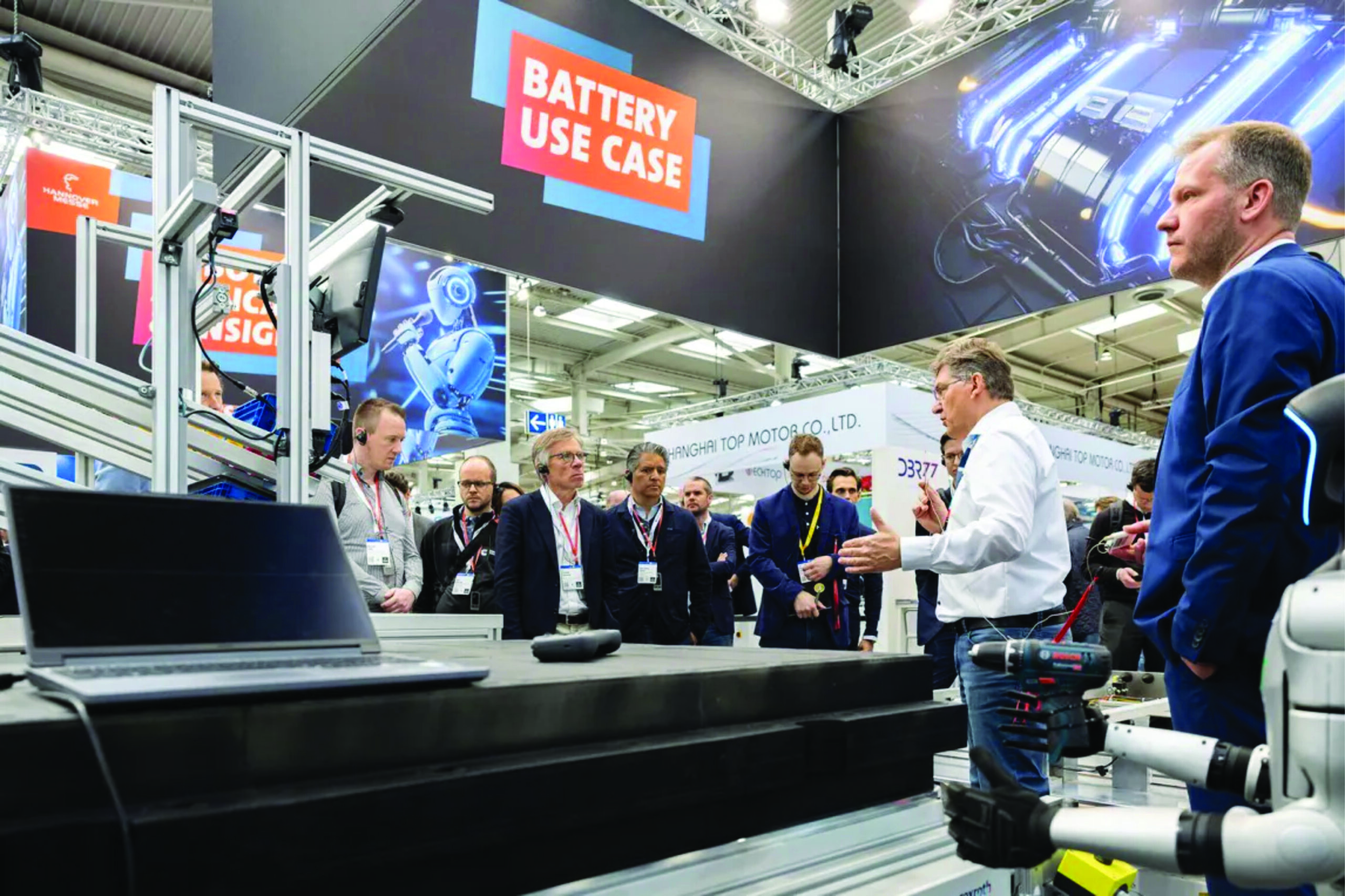
Today, the Indian laser technology market is experiencing rapid expansion. With increasing demand across automotive, electric vehicles, electronics, semiconductors, defence, aerospace, renewable energy, and sheet metal fabrication, lasers are becoming central to modern industrial operations. From battery pack welding in EV manufacturing to micro-processing in electronics and precision marking in medical devices, laser systems are driving next-generation production capabilities.
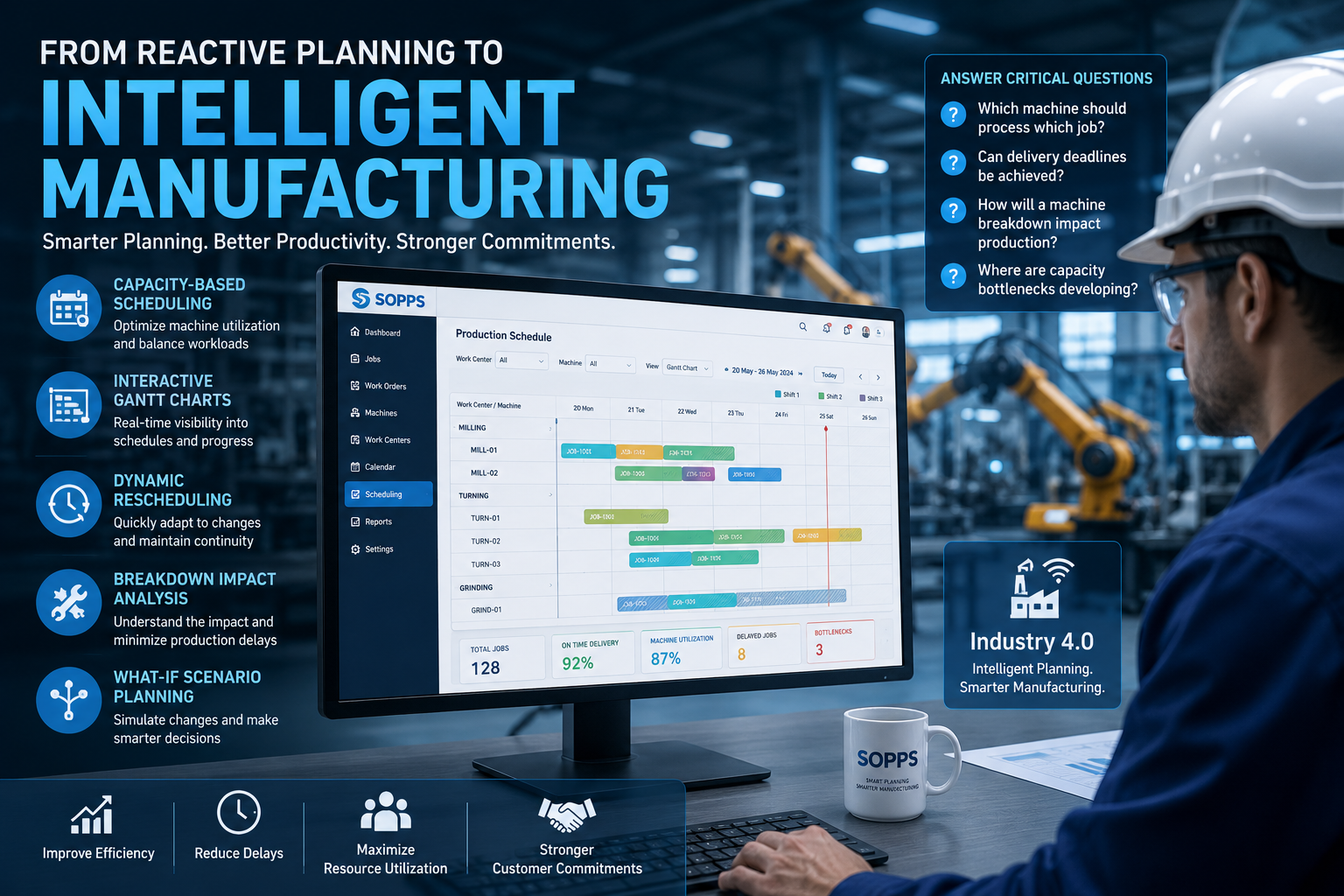
One of the most significant developments in this evolution is the integration of automation and intelligent manufacturing systems. Modern laser operations are no longer limited to standalone machines. Robotic welding cells, automated material handling systems, nesting software, and connected production workflows are transforming factories into highly efficient ecosystems. Manufacturers are now looking beyond automation itself and focusing on intelligent automation that enhances flexibility, speed, and operational control.
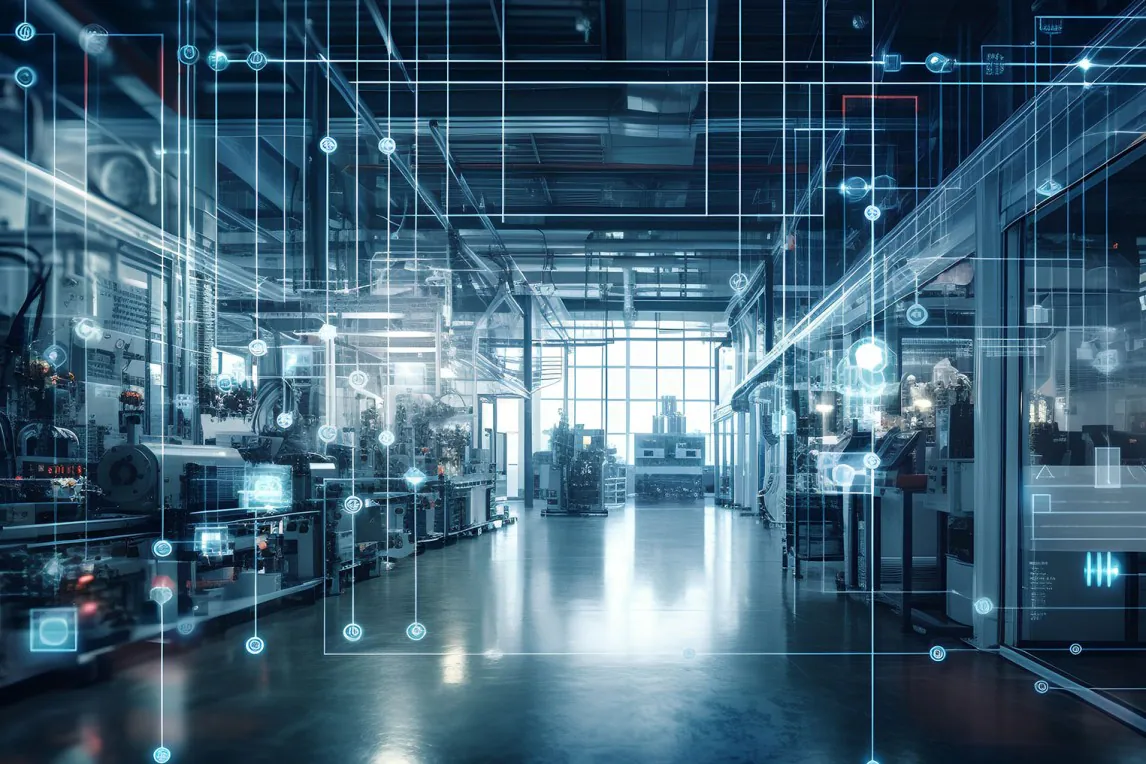
The future of laser technology is also deeply connected with Industry 4.0. Advanced laser systems are increasingly being designed with smart monitoring capabilities that can predict maintenance needs, optimize performance, reduce downtime, and integrate with broader factory data systems. These intelligent systems help manufacturers improve efficiency while maintaining high-quality standards across production cycles.
For India, this transformation comes at a crucial moment. Government initiatives supporting domestic manufacturing, semiconductors, defence production, electronics, and renewable energy are creating strong industrial momentum. However, long-term global competitiveness will depend not only on policy support, but also on the adoption of advanced technologies capable of delivering international manufacturing standards.
Laser technology is becoming one of the key enablers of this transition. It represents more than speed and automation; it symbolizes a broader shift toward precision-led manufacturing. It allows businesses to improve quality while reducing waste, increase productivity without exhausting manpower, and compete confidently in global markets.
Perhaps the greatest impact of laser technology lies beyond machines and production lines. By improving efficiency and reducing operational pressure, it also improves the lives of people working within the manufacturing ecosystem. Faster turnaround times, smoother workflows, and predictable production systems create healthier workplaces and more sustainable businesses.
India’s laser revolution is still unfolding. Over the next decade, deeper integration with robotics, software, and intelligent systems will further redefine industrial manufacturing. As adoption spreads across MSMEs and large-scale industries alike, laser technology is expected to become a cornerstone of India’s journey toward becoming a global manufacturing powerhouse.
The future of manufacturing will belong to industries that combine strength with precision, and India is steadily moving toward that future one laser beam at a time.
For more info :
www.lasertechnologies.co.in