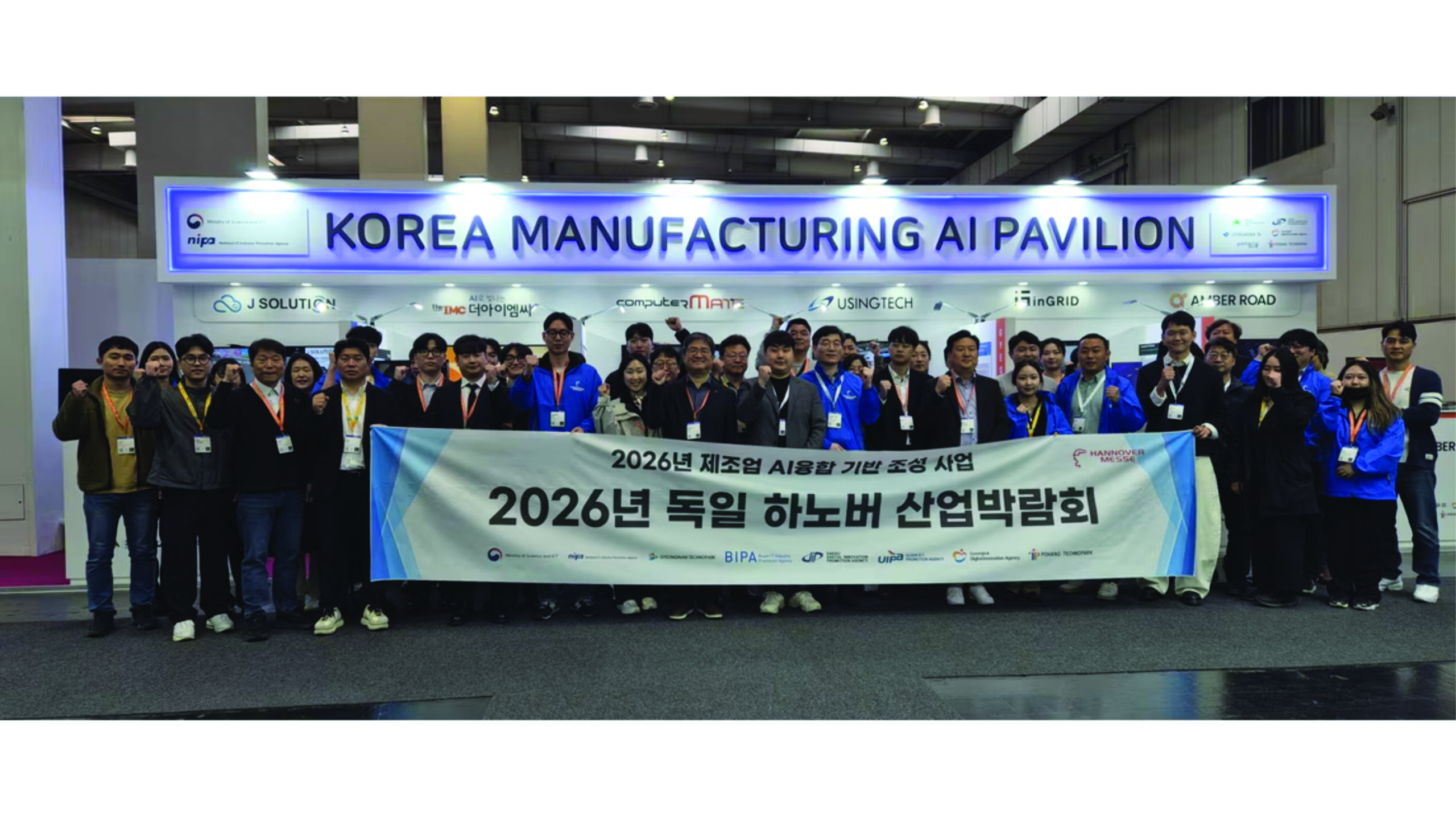
The global battery industry is entering a transformative era, and HANNOVER MESSE 2026 is placing this evolution firmly in the spotlight. With electric vehicles, renewable energy storage systems, and industrial electrification driving unprecedented demand for advanced batteries, the international trade fair is showcasing a fully connected battery value chain from battery cell production to end-of-life recycling solutions.
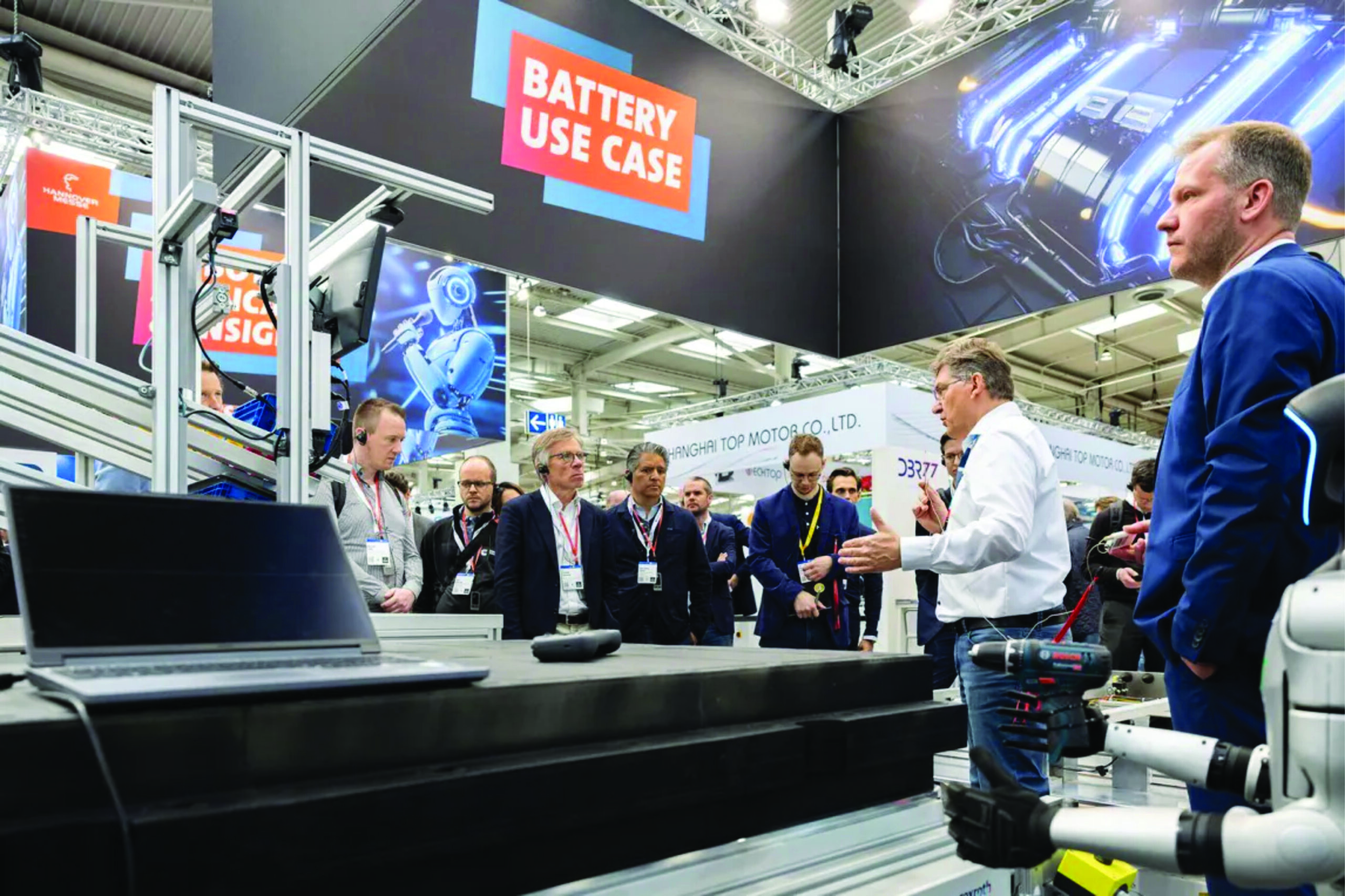
At the center of this initiative is the “Battery Use Case” showcase in Hall 26, where around ten leading companies are collaborating to demonstrate how modern technologies are reshaping battery manufacturing and sustainability. The live exhibit presents every stage of the process, including intelligent automation, digital production systems, quality control, battery pack assembly, and recycling technologies.
One of the major highlights is the growing focus on battery recycling. Industry experts forecast that the number of batteries requiring recycling will increase dramatically over the next five years as electric vehicle adoption accelerates worldwide. This creates both a challenge and an opportunity for manufacturers, recyclers, and technology providers.
Companies such as Bosch Rexroth are presenting advanced recycling process solutions designed to improve safety, efficiency, and cost-effectiveness in battery diagnostics, discharging, dismantling, and material recovery. These systems are expected to play a crucial role in supporting the circular economy by enabling valuable raw materials to be recovered and reused in future battery production.
Fraunhofer FFB is also contributing significantly to the exhibition with demonstrations focused on Europe’s industrial battery manufacturing capabilities. Together with several industry partners, the research institute is presenting digitalized battery production concepts and connected factory systems that support scalable and sustainable manufacturing.
A key attraction is the immersive “FFB PreFab” virtual demonstrator, developed with the EDAG Group. The 3D environment allows visitors to experience the complete battery cell manufacturing process virtually from raw material handling and electrode production to cell assembly and formation. This digital approach highlights how simulation and smart factory technologies are improving transparency and operational efficiency in battery production facilities.
Another major innovation being showcased is the Battery Passport concept. Through standardized digital data exchange systems such as OPC UA, manufacturers can create traceable digital identities for batteries throughout their lifecycle. These passports will help improve transparency, compliance, sustainability tracking, and recycling efficiency while supporting upcoming European Union battery regulations.
The exhibition also underlines the increasing importance of automation and artificial intelligence in battery manufacturing. Intelligent robotics, real-time monitoring, and AI-driven quality systems are helping manufacturers reduce defects, optimize production, and accelerate industrial scalability.
As global industries race toward electrification and carbon neutrality, HANNOVER MESSE 2026 demonstrates that the future of battery technology will depend not only on innovation in production but also on sustainable recycling, digital integration, and resilient supply chains. By bringing together manufacturers, researchers, automation specialists, and recycling experts, the event highlights how collaboration across the entire ecosystem is essential for building a cleaner and more sustainable energy future.