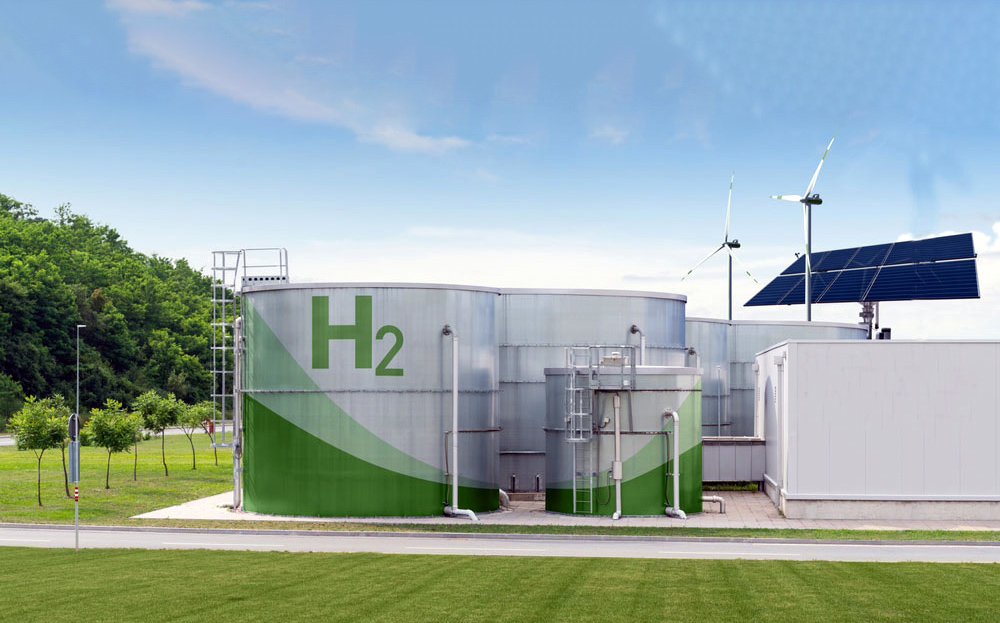
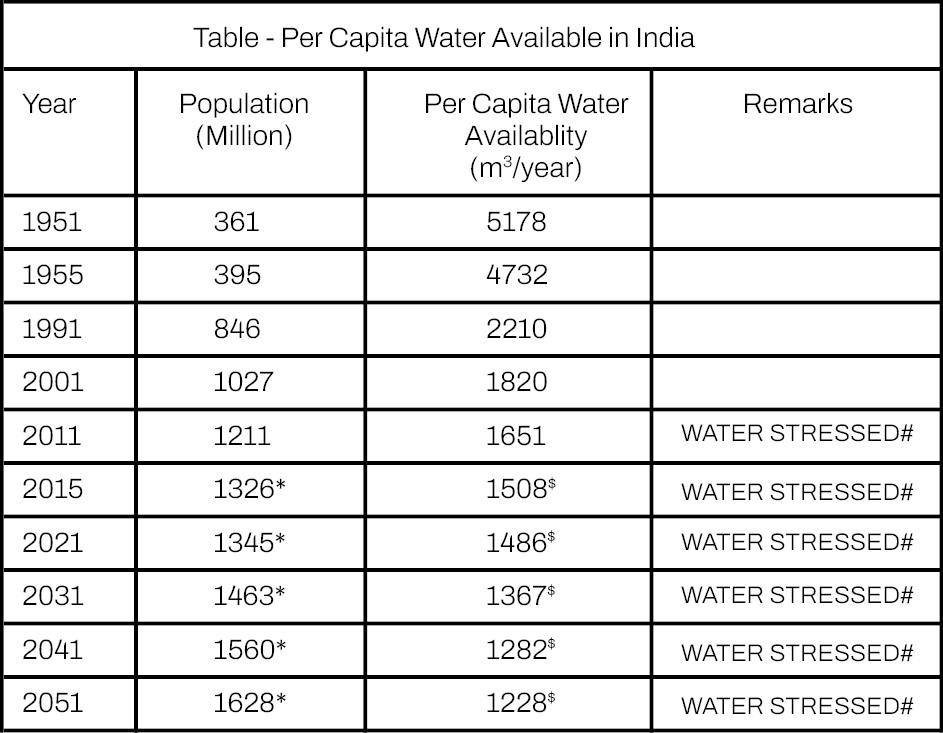
India’s drive to become a global leader in green hydrogen is a cornerstone of its clean energy transition. However, this momentum faces a significant headwind: the country’s chronic water scarcity. Addressing this issue is critical to realizing the full potential of India’s National Green Hydrogen Mission.

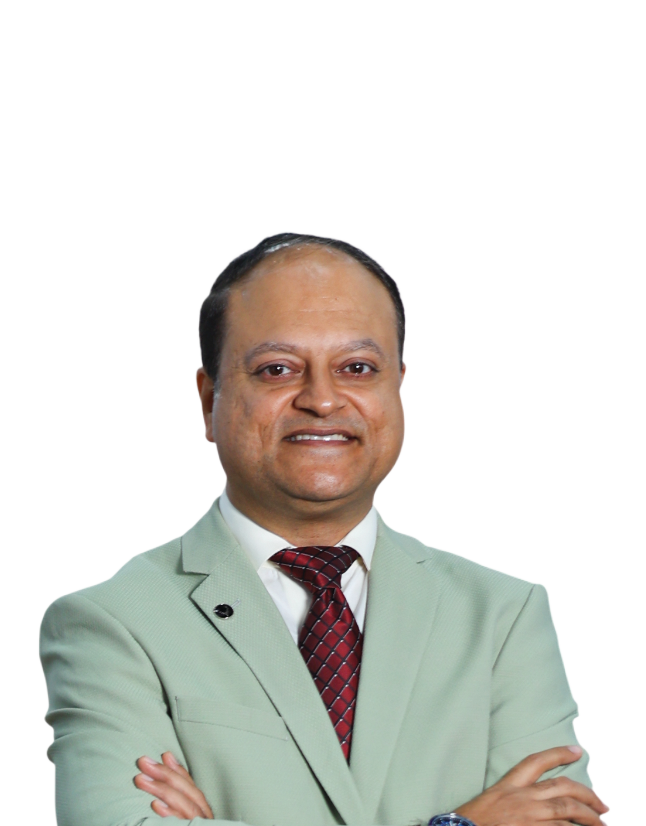
Mr. Dewang Kapadia
Water Requirements for Green Hydrogen Production
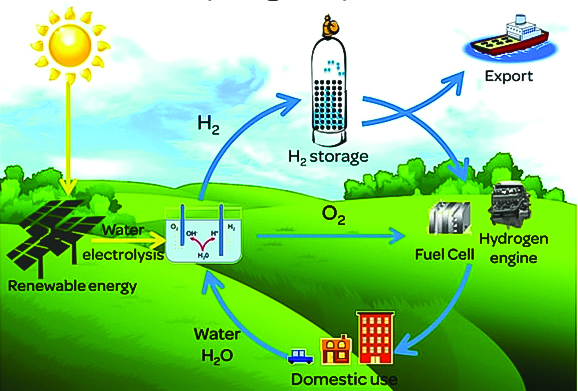
Green hydrogen production via electrolysis requires water—estimates range from 9 to 18 liters per kilogram of hydrogen. Some analyses put the figure even higher, noting that, depending on the type of renewable energy used, water requirements (from source to electrolysis) can reach up to 32kg per kg of hydrogen if solar is used, and 22kg if wind power is used. With a 2030 target of 5 million metric tons per year, this translates to as much as 50 billion liters of demineralized water—a daunting prospect for a water-stressed nation.
A recent report by IRENA and Bluerisk warns that 99% of India’s current and planned green and blue hydrogen projects will face extreme water stress by 2040.
Compounding the Challenge: Site Mismatch
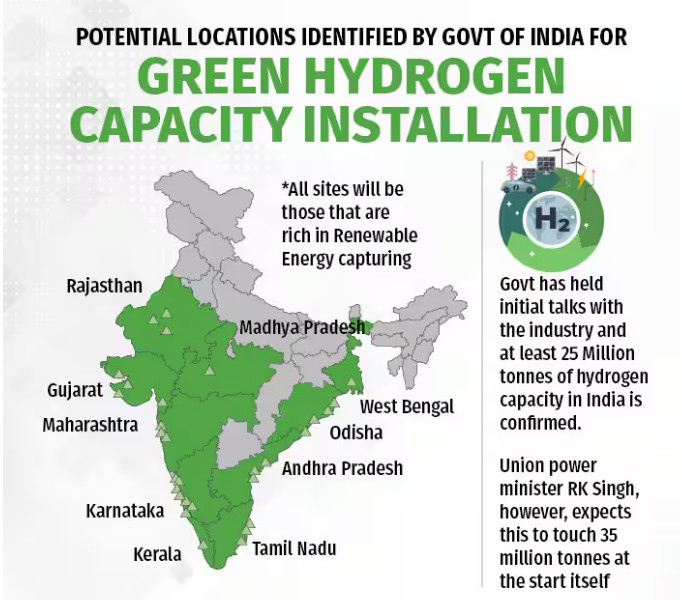
A major geographic challenge is that India’s best renewable energy resources—especially solar and wind—are located in states like Rajasthan, Gujarat, and Tamil Nadu, which are also some of the most water-scarce regions in the country. Planning green hydrogen production in these regions thus risks further straining already limited freshwater supplies.
Alternative Water Sources: Wastewater and Seawater
Facing these stark realities, India is pioneering alternative water sources for electrolysis:
- Municipal and industrial wastewater: Several pilot projects are investigating the potential of using recycled wastewater from urban and industrial plants to produce green hydrogen. India produces over 72,000 million liters of wastewater per day, offering ample raw material if effective treatment and regulatory frameworks are put into place.
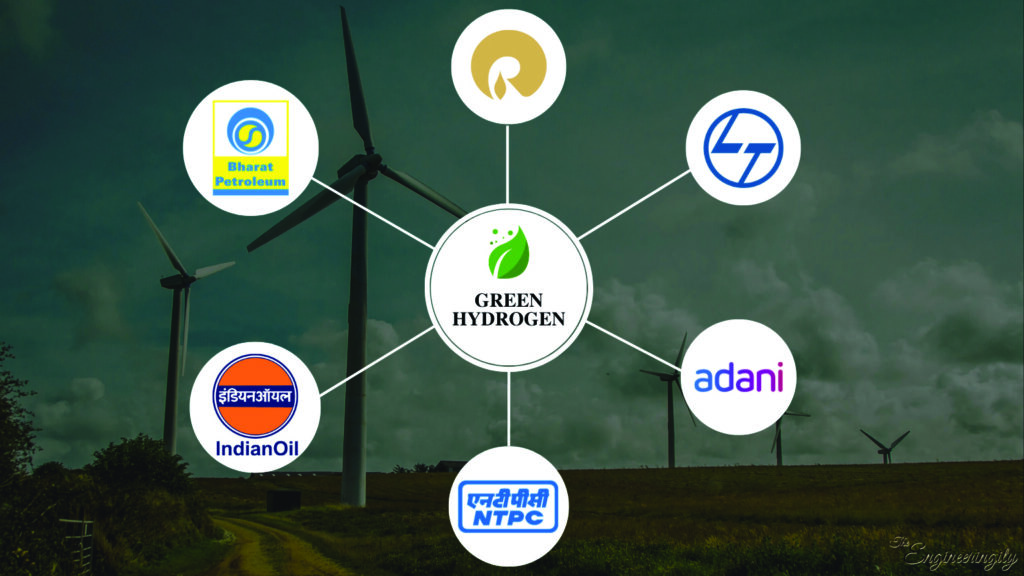
- Seawater and Desalination: India is taking decisive steps to harness seawater. Researchers at IIT Madras have developed cost-effective technology to electrolyze seawater directly. NTPC’s green hydrogen plant in Gujarat is designed to desalinate seawater and produce hydrogen, reducing pressure on freshwater resources. However, the energy and infrastructure requirements for large-scale seawater desalination remain high.
Technological Innovation: Piezo-catalytic Hydrogen Production
Indian scientists at the Jawaharlal Nehru Centre for Advanced Scientific Research (JNCASR) have made a breakthrough with a novel, cost-effective, metal-free porous organic catalyst. This catalyst enables hydrogen production through piezocatalysis—using mechanical energy to split water—bypassing the need for expensive metals and reducing environmental impact. This development could eventually support scalable, sustainable hydrogen production suited to India’s resource constraints.
Policy, Investment, and Global Collaboration
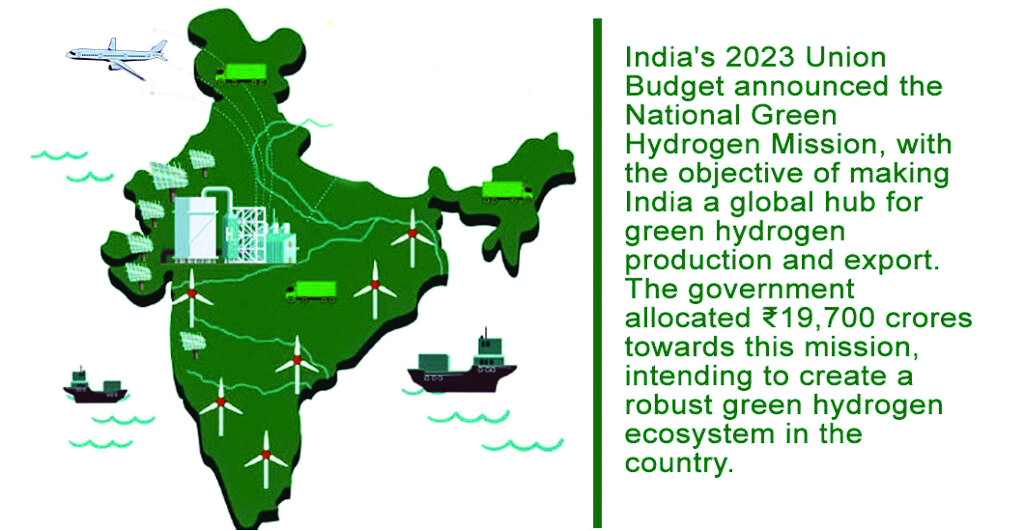
India’s National Green Hydrogen Mission, launched with an initial outlay of $2.4 billion, pushes for:
- Ambitious targets: 5 million metric tons of annual green hydrogen production by 2030, with the potential to scale up to 10 million tons if export opportunities flourish.
- Supportive policies: Exemption from certain environmental clearances, identification of ports as export hubs, production and manufacturing subsidies, and the introduction of a Green Hydrogen Certification Scheme.
- Research and development: Active investment in hydrogen storage, transport, novel production methods, and international research partnerships—especially with the European Union under Horizon Europe funding.
Opportunities and Cautions
- Cost: Green hydrogen still costs approximately 40% more to produce in India than in leading countries, largely due to high renewable energy and electrolyzer costs.
- Infrastructure: A lack of standardized frameworks, supply chain limitations, and underdeveloped hydrogen ecosystems impede rapid scaling.
- Environmental safeguards: Without robust policies, large-scale hydrogen projects risk exacerbating water scarcity and threatening the livelihoods of local communities.
Current and Future Initiatives
- As of May 2025, India has installed over 223GW of renewable energy capacity and allocated green hydrogen production to 19 companies, with dedicated electrolyzer manufacturing and pilot projects in steel, mobility, and shipping sectors.
- Regional policies and the identification of export ports (Kandla, Paradip, Tuticorin) are placing India at the heart of a green hydrogen trading ecosystem.
Key Statistics and Facts Factor
- Water requirement
- Green hydrogen target
- Investment
- Job creation
- Renewable energy installed
- Projects facing water stress
- Largest innovation
Statistic/Fact
9–18L (up to 32kg) per kg hydrogen
5–10 million metric tons by 2030
₹8 lakh crore (₹8 trillion)
600,000+ jobs (6 lakh)
223GW (as of May 2025)
99% by 2040
Metal-free catalyst using piezocatalysis
India’s green hydrogen ambitions are bold and promising. However, stride will only equal vision if India continues to champion innovation, robust environmental stewardship, sustainable water management, and global collaboration—ensuring green hydrogen growth does not come at a blue planet’s expense.
Industrial Strategist Spotlight: Mr. Dewang Kapadia
Mr. Dewang Kapadia, a 1981 Mechanical Engineering graduate from MSU Baroda, is a pioneering force in India’s industrial transformation. Based in Mumbai, he has spent over four decades introducing advanced manufacturing technologies into the Indian ecosystem—spanning metal forming, laser systems, robotic welding, AMRs, AGVs, and automation platforms.
His leadership across four global machine tool giants—Amada (Japan), Trumpf (Germany), Cloos (Germany), and igm (Austria)—has driven over ₹1000 crores ($120 million) in capital equipment sales, reshaping India’s industrial landscape with precision and innovation.
Since 2020, Mr. Kapadia has focused on strategic consulting in high-impact domains such as EV battery pack assembly, hydrogen fuel cell production, and advanced automation for welding, inspection, and testing. Today, he is deeply involved in India’s green hydrogen movement—facilitating technology transfer, equipment sourcing, and turnkey solutions for hydrogen production, storage, and utilization. His work also includes supplying specialized machinery for manufacturing hydrogen infrastructure itself.
A visionary with global perspective and local insight, Mr. Dewang Kapadia exemplifies the spirit of industrial excellence and sustainable innovation.