The global transition toward net-zero emissions is transforming the way electricity is generated, distributed and stored. With nations strengthening climate commitments, electrical engineering is moving beyond traditional power infrastructure to create intelligent, resilient and sustainable energy systems. From AI-powered grids and renewable integration to circular manufacturing and zero-carbon computing, the next generation of electrical infrastructure is being designed to adapt, predict and respond in real time.
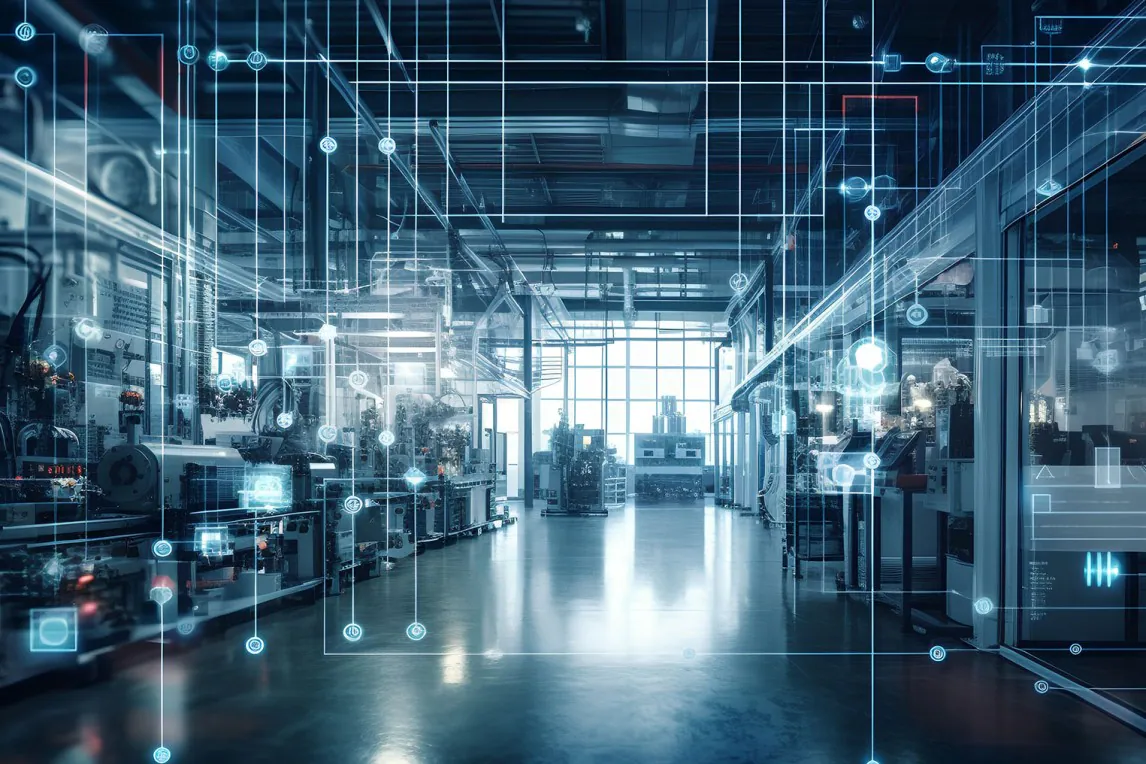
At the centre of this transformation is the intelligence revolution. Modern power networks are becoming decentralised, data-driven ecosystems that combine artificial intelligence, the Internet of Things and advanced optimisation. These technologies allow power systems to monitor operating conditions, analyse real-time data, predict disturbances and optimise performance while maintaining reliability and security.
The future grid could go even further, with autonomous microgrids, digital twins and physics-informed AI enabling systems to understand not only data but also the physical behaviour of electrical networks. Such capabilities could support grids that respond automatically to changing conditions and recover faster from disruptions.
However, the rapid growth of renewable energy brings new engineering challenges. Solar and wind generation fluctuate with weather conditions, while replacing conventional rotating generators reduces the natural inertia that traditionally helps stabilise power networks. Engineers are therefore exploring new grid architectures, including asynchronous subgrids that can exchange energy without requiring every section to remain perfectly synchronised. Real-time prediction, dispatch and control systems are also helping operators manage renewable variability more effectively.
Sustainability does not end with generating clean electricity. The industry must also address the growing volume of equipment reaching the end of its service life. A circular economy approach is emerging, using AI-assisted assessment to determine whether components should be reused, refurbished or recycled. Power semiconductor devices, for example, may retain useful operational life and can potentially be upcycled through careful testing and circuit reconstruction.
Environmental innovation is also extending to materials used in electrical infrastructure. Sulfur hexafluoride, widely used in power equipment, has an extremely high global warming potential, encouraging researchers and manufacturers to develop lower-impact alternatives and improved recovery methods.
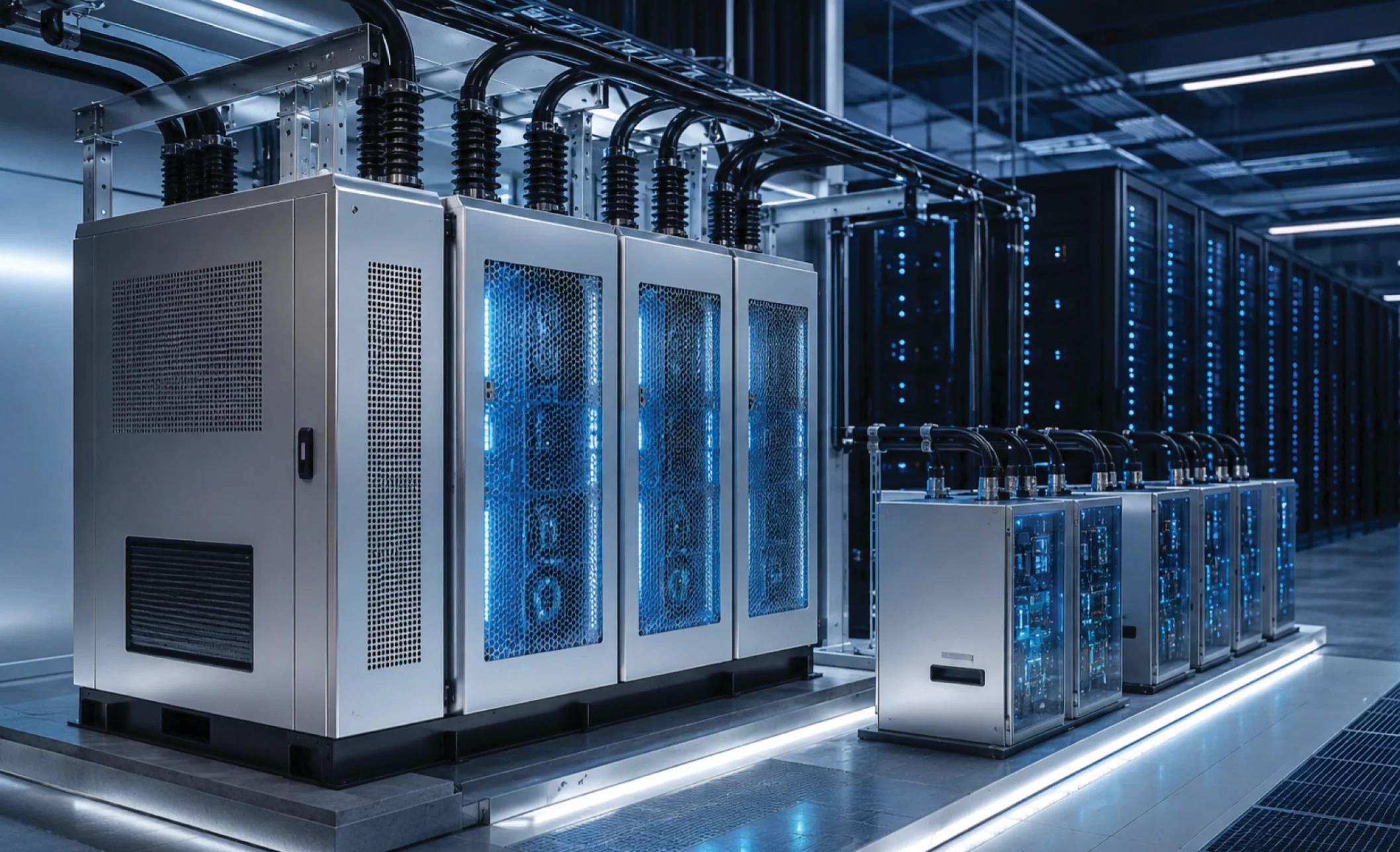
Meanwhile, an unexpected frontier is emerging beneath the oceans. Underwater data centres, supported by offshore renewable energy and seawater cooling, could help reduce the environmental footprint of the rapidly expanding computing and AI industry.
Underlying all these developments is power electronics. Advanced converters, solid-state transformers and grid-forming technologies are enabling flexible AC/DC networks, efficient power conversion and greater stability in low-inertia grids.
Electrical engineering is therefore becoming a key foundation of the energy transition. By bringing together power systems, AI, materials science, electronics and sustainability, the discipline is helping build infrastructure that is not only cleaner, but also smarter, more resilient and ready for the demands of a net-zero future.
Written by :
Dr. PM Bhardwaj