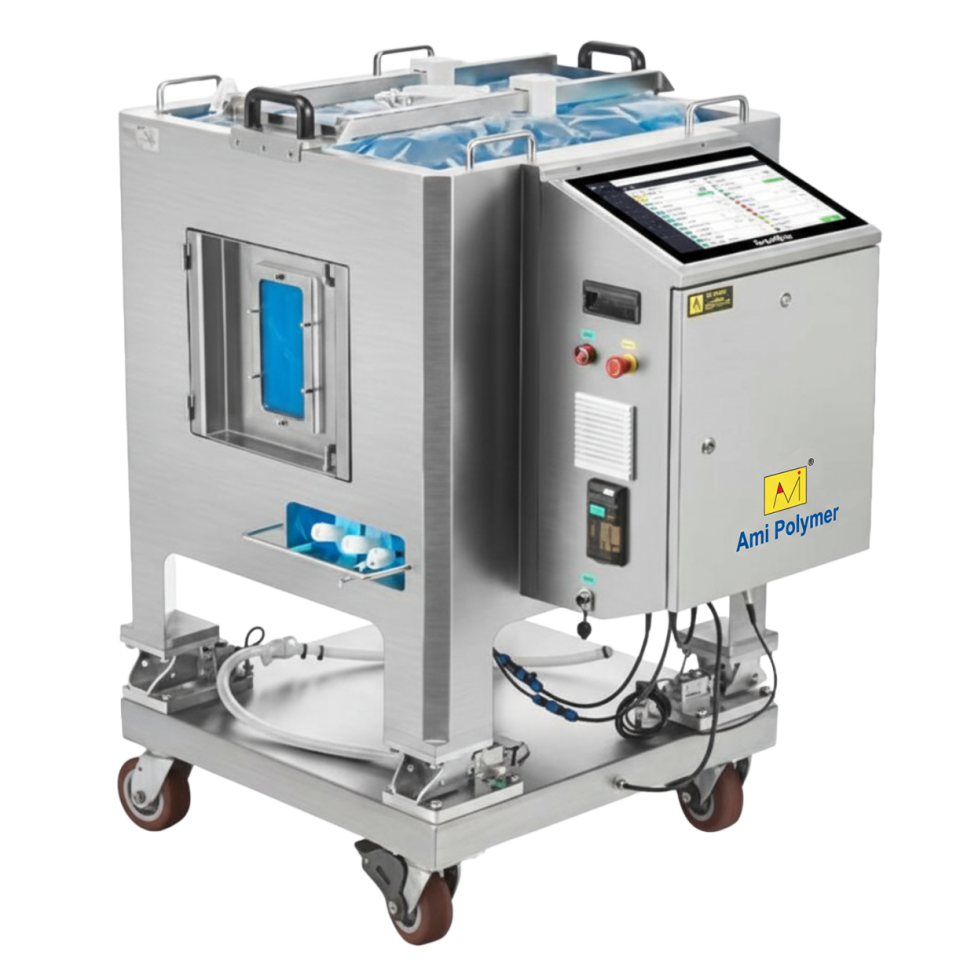
In the fast-evolving world of biopharmaceutical manufacturing, precision, sterility, and scalability are non-negotiable. As the industry shifts toward more agile and contamination-free production environments, single-use mixing systems have emerged as a game-changing innovation. Designed to streamline both upstream and downstream processes, these advanced systems are transforming how biologics are developed, processed, and delivered offering unmatched efficiency while maintaining strict regulatory compliance.
Mixing systems form the backbone of biopharma production, ensuring that every formulation meets the highest standards of consistency and quality. Traditionally, stainless steel systems dominated the landscape, but they often required extensive cleaning, validation, and maintenance. The introduction of single-use mixing technologies has addressed these limitations by offering disposable, pre-sterilized solutions that eliminate cross-contamination risks and reduce operational downtime.
Manufactured in controlled cleanroom environments, typically adhering to ISO Class 7 or ISO Class 8 standards, these systems undergo rigorous quality checks from raw material selection to final delivery. Their design incorporates precision-engineered impellers that enable uniform and consistent mixing, ensuring optimal performance across a wide range of applications.
One of the most compelling advantages of single-use mixing systems is their versatility. Available in scalable volumes ranging from 50 liters to 1000 liters, they can be tailored to meet specific process requirements. Whether it’s media preparation, buffer formulation, or final product mixing, these systems provide reliable and reproducible results.
In upstream processing, single-use mixers play a critical role in preparing media and buffers essential for cell culture and fermentation. Uniform dissolution of nutrients directly impacts cell growth and productivity, making consistent mixing a key success factor. Additionally, these systems facilitate safe and contamination-free fluid transfer, maintaining sterility throughout the process.
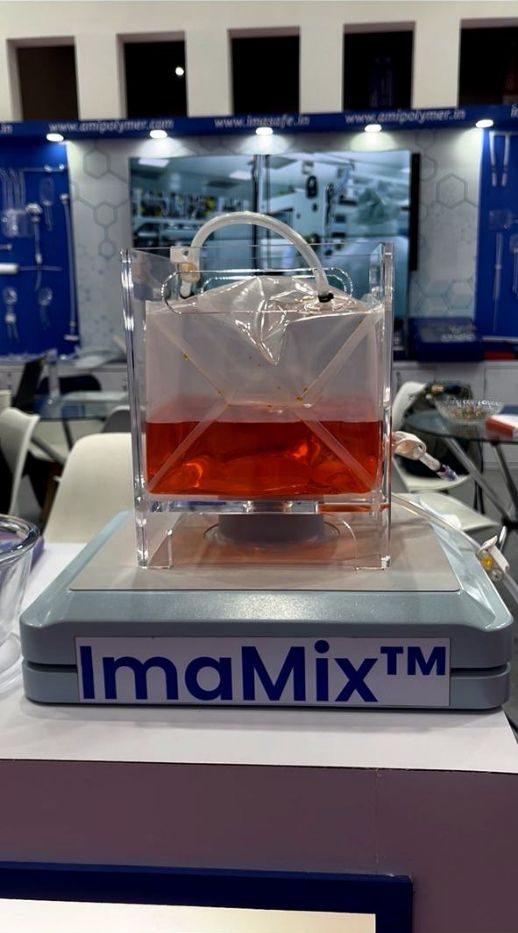
Downstream processing equally benefits from this innovation. From buffer and reagent preparation to virus inactivation and final formulation, single-use mixing systems ensure precise interaction between components. Their gentle mixing capabilities are particularly valuable when handling sensitive biological molecules, as they minimize shear stress and prevent protein degradation or aggregation.
Compliance is another cornerstone of these systems. Designed to meet global regulatory standards such as sterilization validation, biological reactivity, and packaging safety, they provide assurance of material compatibility and patient safety. Comprehensive extractables and leachables studies further enhance their acceptance in regulated markets worldwide.
Supporting these systems are advanced polymer components, including silicone tubing, gaskets, and customized assemblies. These materials are engineered for chemical compatibility and durability, ensuring seamless integration into complex biopharma workflows.
As the demand for faster, safer, and more flexible manufacturing grows, single-use mixing systems are set to play an increasingly vital role. By combining innovation with compliance, they not only enhance process efficiency but also pave the way for scalable and future-ready biopharmaceutical production.
For more info :
www.amipolymer.com