From a 1.2 MW installation for a leading MNC to a 1.8 MW parallel redundancy deployment in Gujarat, PROSTARM continues to strengthen mission-critical industrial power infrastructure through reliability, safety, and engineering excellence.
In modern industry, power is most visible when it fails. When it performs flawlessly, it recedes into the background quietly sustaining production lines, safeguarding critical equipment, and preserving the rhythm of industrial enterprise. In an environment where even brief interruptions can carry measurable operational and financial consequences, dependable power infrastructure is no longer a backend utility; it is a strategic asset. Increasingly, the true measure of industrial readiness lies not only in capacity or scale, but in the confidence that operations can continue without compromise.
That is why large-scale UPS installations such as these deserve closer attention. They are not merely technical deployments; they are expressions of how industry prepares for risk, protects productivity, and builds resilience into its foundations. PROSTARM’s recent commissioning of a 1.2 MW UPS system for a leading multinational industrial client in Parallel Redundancy mode, alongside a 1.8 MW UPS installation in Gujarat also deployed in Parallel Redundancy mode, reflects precisely this shift: from conventional backup thinking to infrastructure designed around continuity, assurance, and performance.
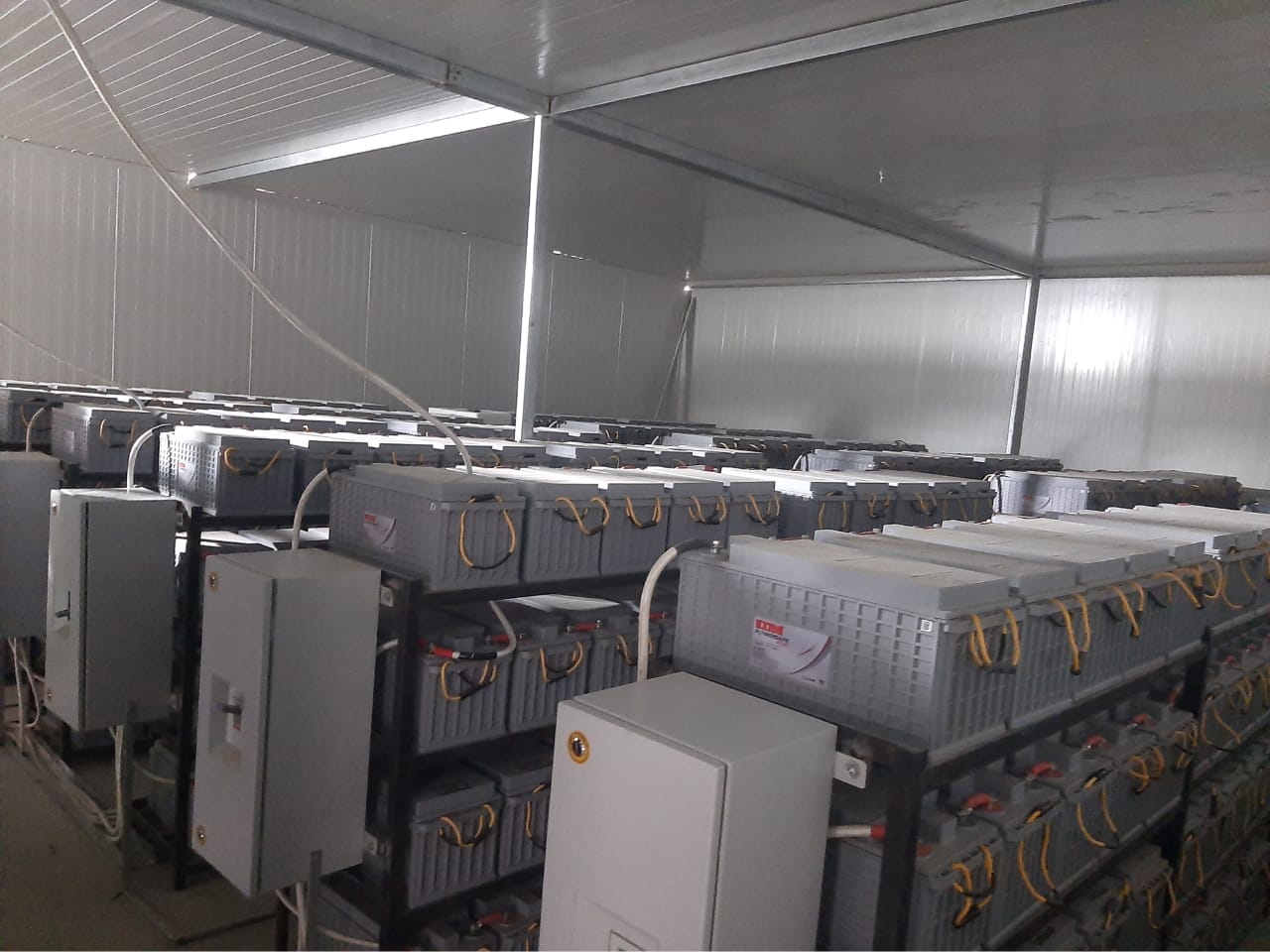
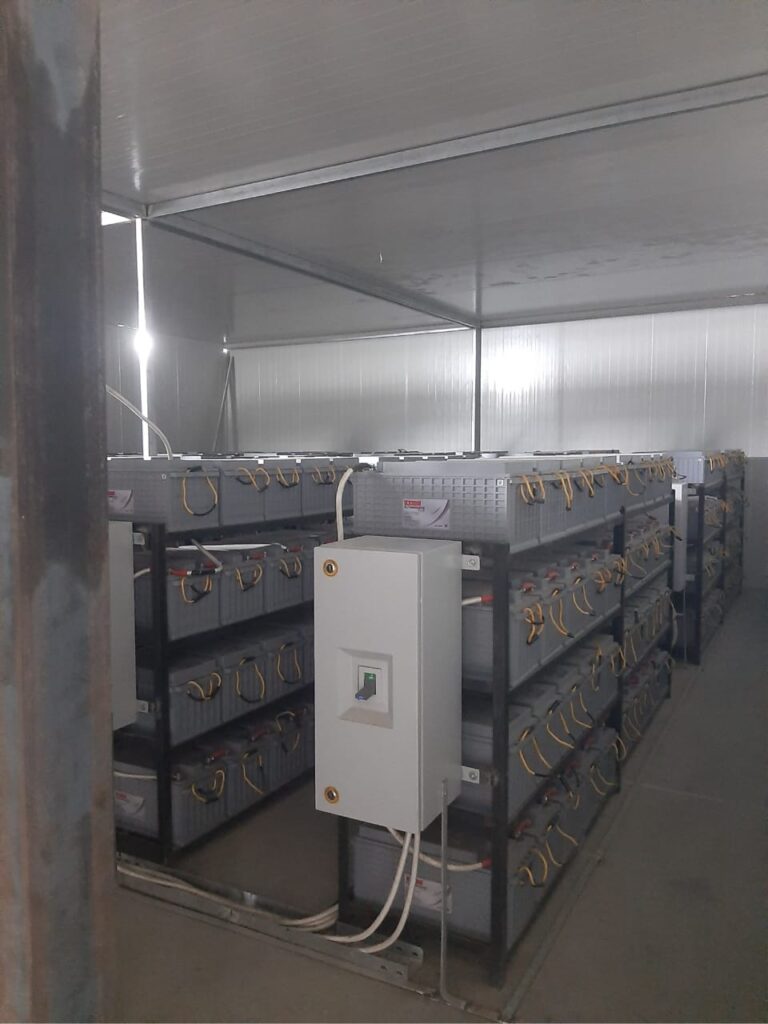
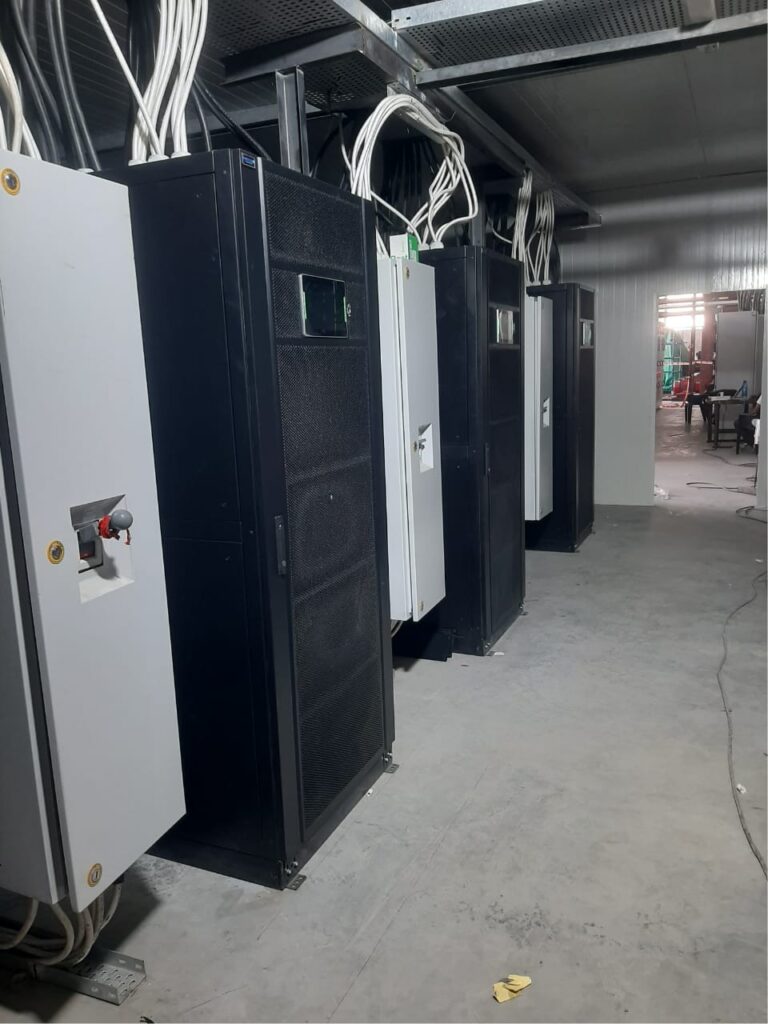
The first of these projects involved the successful installation of a 1.2 MW UPS system for industrial use at one of the multinational corporations operating in India. Significant in both scale and execution, the project highlights the discipline required to deliver dependable power in demanding environments. Designed in Parallel Redundancy mode, the system brings an added layer of resilience to a critical industrial setting, ensuring continuity even in the unlikely event of a component-level issue. In industrial environments, system performance begins well before commissioning. It begins with planning, on-site precision, and the consistent observance of safety standards that ultimately define the integrity of the installation itself. Here, the completed work stands as a reflection of sound engineering practice and the quality of execution delivered by PROSTARM’s site and support teams.
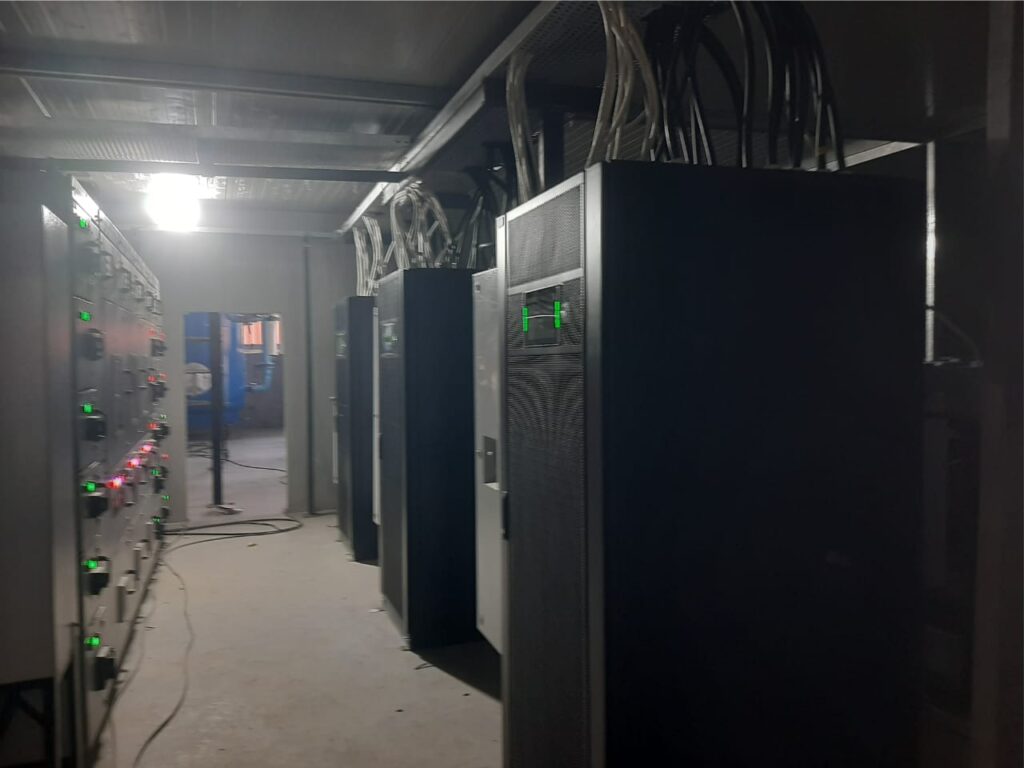
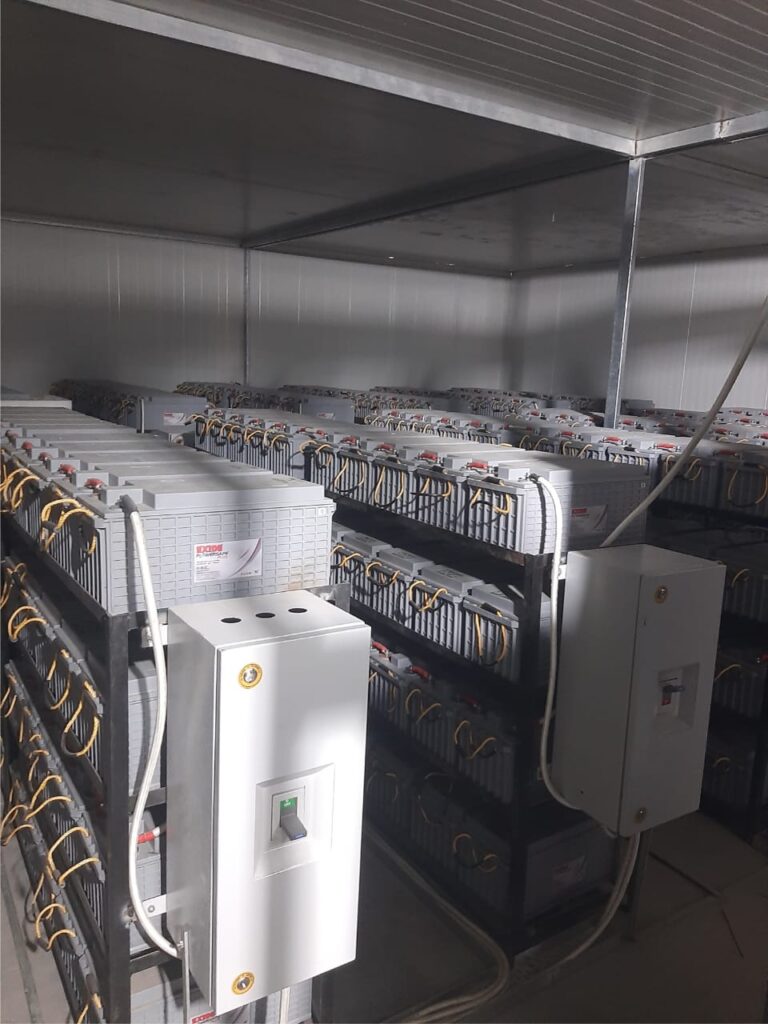
The second project, now operational in Gujarat, takes that proposition further. Designed as a 1.8 MW UPS solution in Parallel Redundancy mode, it addresses one of the most critical requirements in industrial power design: fault tolerance. At this level, raw capacity is only part of the equation. The more important question is whether the system can sustain continuity even under challenge. Parallel redundancy is intended for precisely such conditions, ensuring that even in the unlikely event of a component-level issue, the load remains protected and operations continue uninterrupted. For industrial facilities where uptime is inseparable from productivity, that degree of resilience is not simply desirable; it is essential.
Yet these installations tell only one part of the story.
What makes PROSTARM especially relevant in today’s power landscape is the breadth of its capabilities across applications and customer segments. The company’s expertise extends from compact UPS systems for desktops and small appliances, as well as lithium inbuilt home inverter solutions for reliable residential and light commercial backup, to advanced power systems such as Battery Energy Storage Solutions (BESS). These technologies have the potential to reduce dependence on conventional diesel generator sets while serving as powerful energy hubs capable of supporting continuity, optimization, and long-duration resilience. In that sense, PROSTARM is participating not only in the backup power market, but also in the broader transition toward more advanced and sustainable energy infrastructure. Alongside this, the company delivers complex and customized power solutions tailored to demanding environments where uptime is non-negotiable and system performance must remain consistent under pressure.
This broad product range reflects a clear understanding of how power needs are evolving. Customers no longer seek isolated backup products alone; they increasingly look for integrated, future-ready systems that combine reliability, efficiency, and scalability. PROSTARM’s portfolio is aligned with this shift, supporting everything from everyday backup requirements to sophisticated infrastructure applications.
Supporting this evolution is a parallel story of expansion.
To meet rising demand and strengthen its operational capabilities, PROSTARM is expanding through state-of-the-art facilities in Ahmedabad and Jhajjar. These developments represent more than an increase in physical footprint. They point to a strategic effort to enhance manufacturing, integration, and delivery capabilities in line with the scale and sophistication of the markets the company serves. For a power solutions company, such expansion is significant: it strengthens the ability to innovate, customize, and respond with greater speed, consistency, and confidence.
In an economy where reliable power increasingly underpins productivity, infrastructure, and resilience, companies that combine engineering strength with strategic vision stand apart. PROSTARM’s story is not only about installed capacity; it is about building the systems, solutions, and scale required to power the next phase of growth. More importantly, it is about helping shape a future in which power infrastructure is not judged merely by capacity delivered, but by confidence enabled. In that larger industrial narrative, PROSTARM is positioning itself not simply as a provider of backup systems, but as a company contributing to the architecture of continuity on which modern enterprise depends.
For more info :
www.prostarm.com