As industries face increasing environmental compliance requirements, the demand for accurate and dependable emissions monitoring continues to grow. Online Continuous Emission Monitoring Systems (OCEMS) play a crucial role in ensuring regulatory adherence and operational sustainability. Selecting the right OCEMS technology is key to achieving reliable performance and long-term environmental compliance.
Environmental compliance has become a key priority for industries across the globe. As regulations evolve and reporting requirements become more rigorous, Online Continuous Emission Monitoring Systems (OCEMS) have emerged as a vital tool for ensuring accurate emissions measurement and continuous environmental accountability.
A critical aspect of implementing an OCEMS solution is choosing the right monitoring technology. The two most commonly used approaches are Extractive OCEMS and In-Situ OCEMS. Both technologies offer proven performance, but their effectiveness depends largely on the application, process conditions, and operational requirements.
Extractive OCEMS function by continuously drawing a gas sample from the stack and transporting it to an analyzer through a sample conditioning system. Because the analysis occurs in a controlled environment, these systems are known for their high accuracy and reliability. They are particularly effective in applications involving high dust loads, elevated moisture levels, or complex process conditions. Additionally, maintenance, calibration, and servicing can be performed more conveniently, helping ensure consistent long-term performance.
In-Situ OCEMS, on the other hand, measure gas concentrations directly within the stack using optical or sensor-based technologies. These systems provide fast response times and real-time measurements while requiring fewer auxiliary components. Their simpler installation and reduced sample handling make them an attractive option for facilities operating under relatively clean and stable conditions.
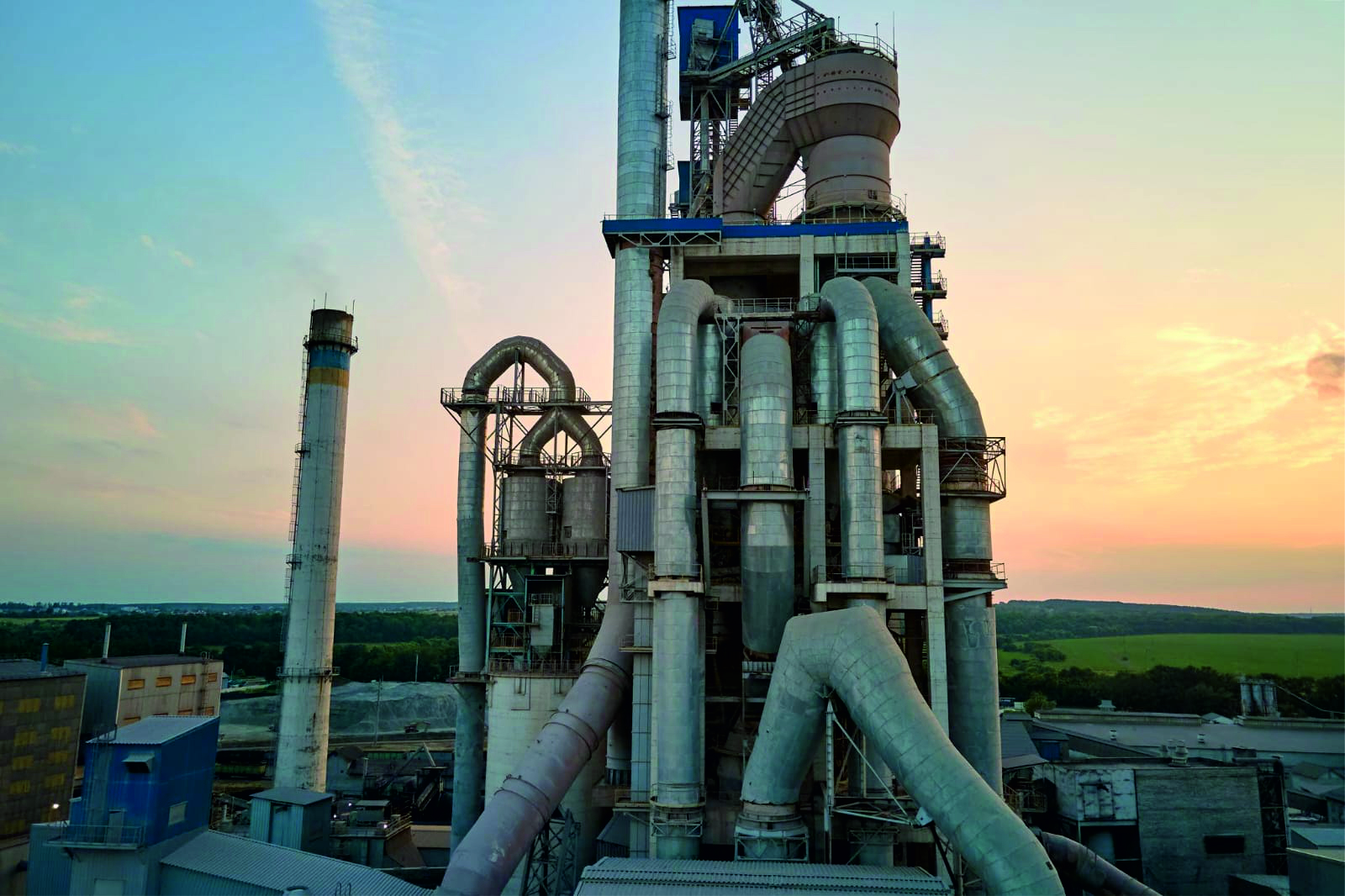
For Indian industries, selecting the most suitable OCEMS technology requires careful evaluation of operating environments. Factors such as fluctuating fuel quality, varying particulate levels, moisture content, and changing climatic conditions can significantly impact monitoring performance. Industries including power generation, cement, steel, waste-to-energy, and process manufacturing must assess these variables before making a technology decision.
The most successful OCEMS installations are those where technology selection is aligned with specific operational needs. Organizations should consider compliance requirements, pollutants to be monitored, stack conditions, maintenance accessibility, available technical expertise, and overall lifecycle costs. A comprehensive assessment of these factors helps ensure reliable data collection, reduced downtime, and sustainable compliance.
Ultimately, the question is not whether Extractive or In-Situ technology is better. The real objective is identifying the solution that best matches the application. When technology and process requirements are aligned, industries benefit from dependable emissions monitoring, improved operational efficiency, and stronger environmental performance for years to come.
For more info :
www.primaequipment.com