In an era where manufacturing precision defines technological progress, advanced grinding machines are transforming how high-performance hydraulic components are produced. By combining additive manufacturing with ultra-precise machining, modern engineering companies are achieving unprecedented efficiency, accuracy, and reliability in motion-control systems.
Hydraulic technology has been a cornerstone of modern engineering for decades. From construction machinery and aircraft systems to automotive braking mechanisms and industrial robotics, hydraulics enable powerful and precise movement using pressurized fluids. Despite its widespread application, the sector has historically seen limited technological innovation since the mid-20th century. However, a new wave of engineering companies is now transforming this field through advanced manufacturing technologies and precision machining.
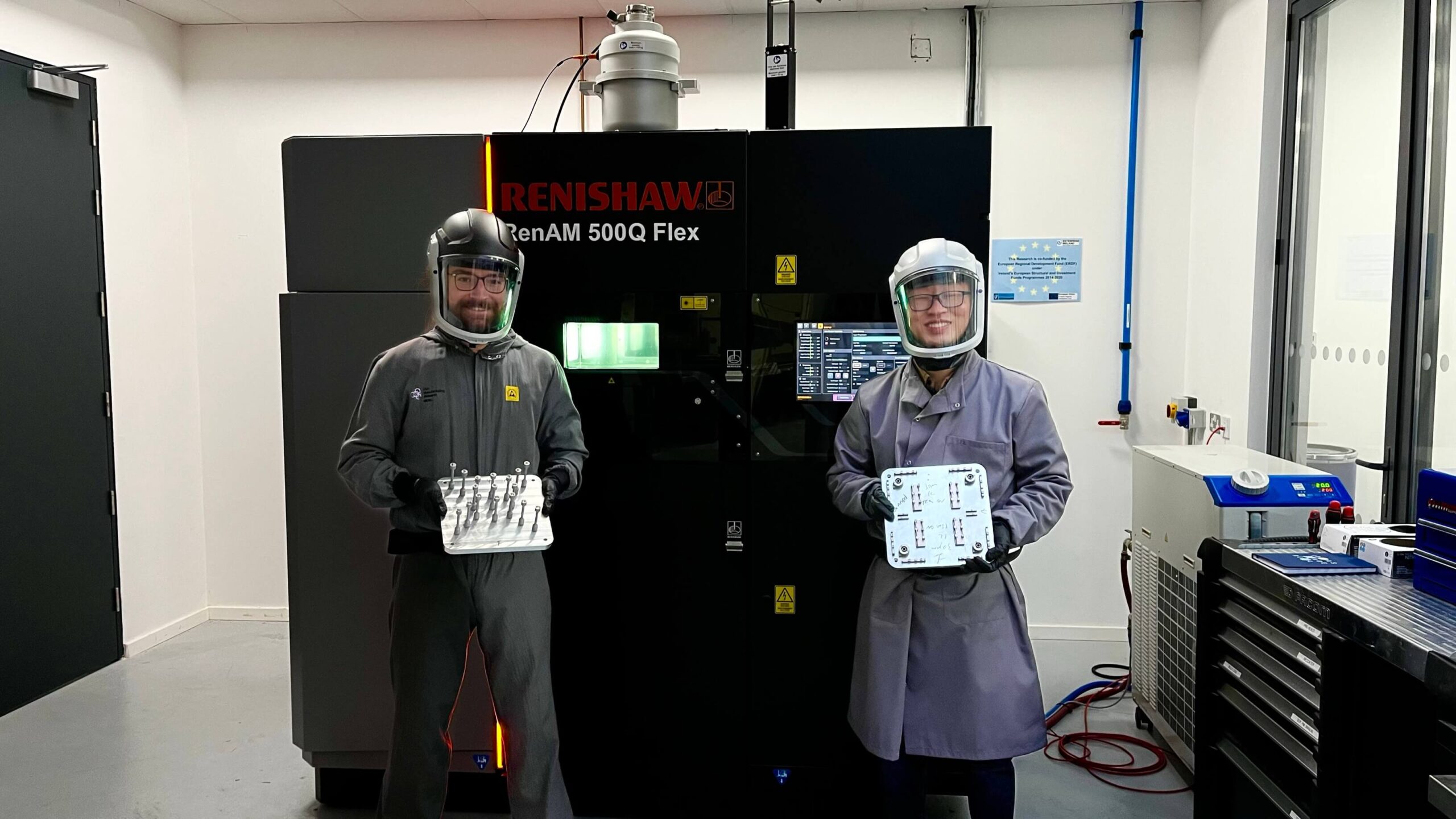
At the forefront of this transformation is the integration of metal additive manufacturing with high-precision grinding technologies. Innovative companies are leveraging these tools to create hydraulic components that are significantly more efficient, compact, and responsive than traditional systems. In particular, the development of digitally controlled servo valves and high-performance pumps is redefining the capabilities of hydraulic systems across multiple industries.
One of the most significant challenges in modern hydraulics is energy efficiency. Conventional hydraulic systems can waste a substantial portion of their input energy due to friction, heat loss, and outdated design structures. Industry experts estimate that traditional systems may lose up to 70 percent of their energy during operation. This inefficiency has long been accepted as an unavoidable limitation of hydraulic technology. Today, however, innovative engineering solutions are addressing this issue with groundbreaking results.
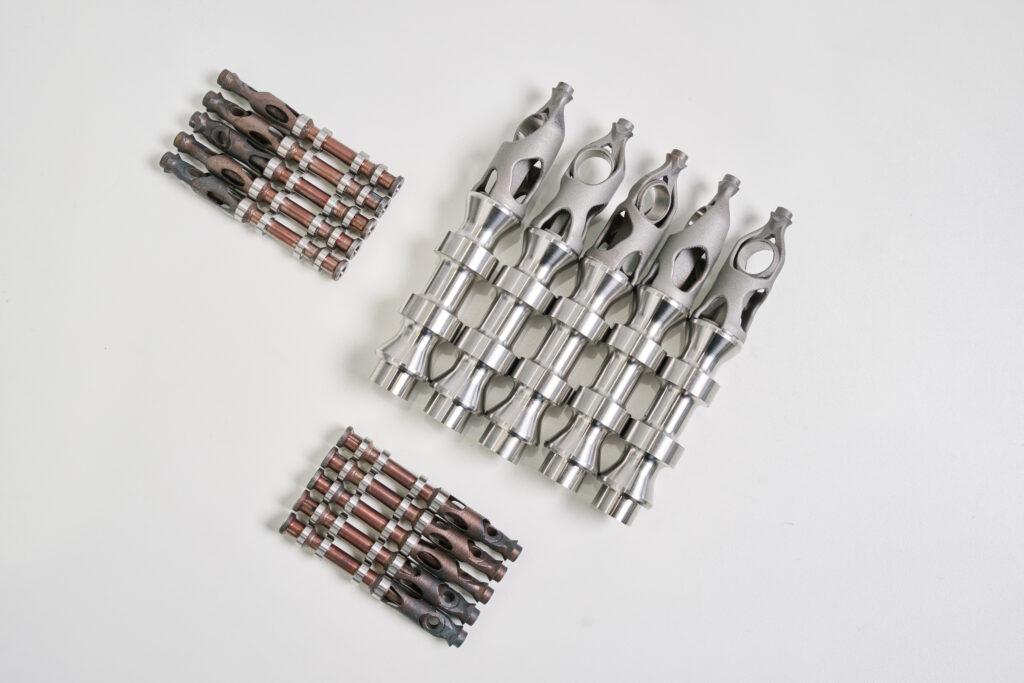
By utilizing metal 3D printing, engineers are now able to design complex internal channel structures that were previously impossible to manufacture using traditional subtractive methods. These intricate designs optimize fluid flow inside hydraulic components, dramatically reducing energy losses while improving response times and system performance. The result is a new generation of hydraulic systems capable of achieving efficiency improvements of up to 90 percent compared to conventional solutions.
However, additive manufacturing alone cannot guarantee the precision required for high-performance hydraulic components. After printing, the components must undergo meticulous finishing processes to achieve the exact tolerances required for reliable operation. This is where advanced cylindrical grinding technology plays a crucial role.
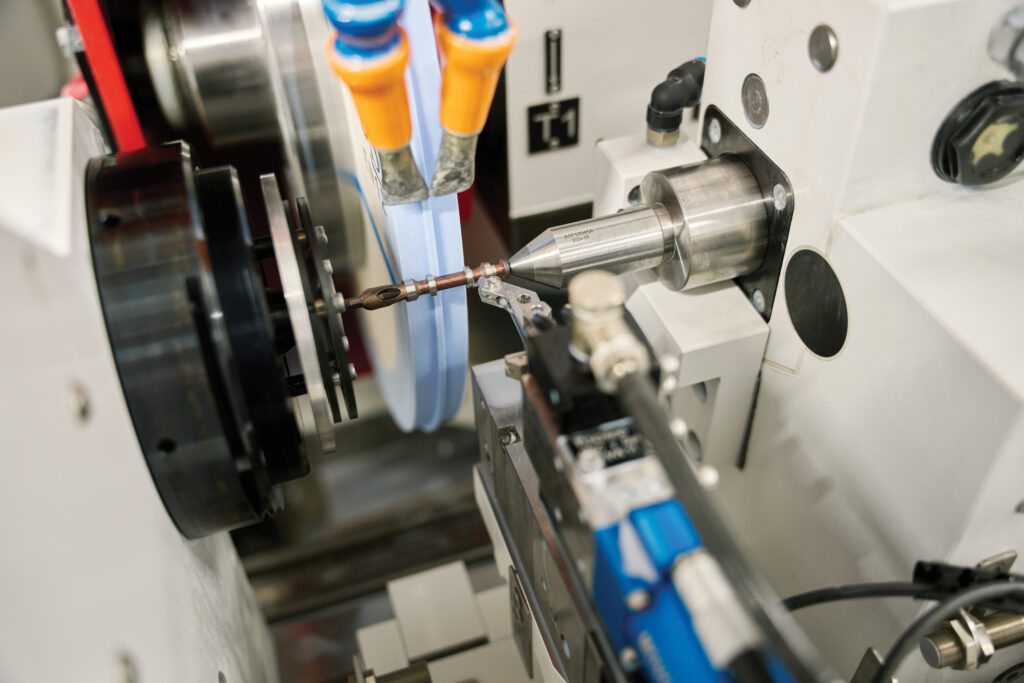
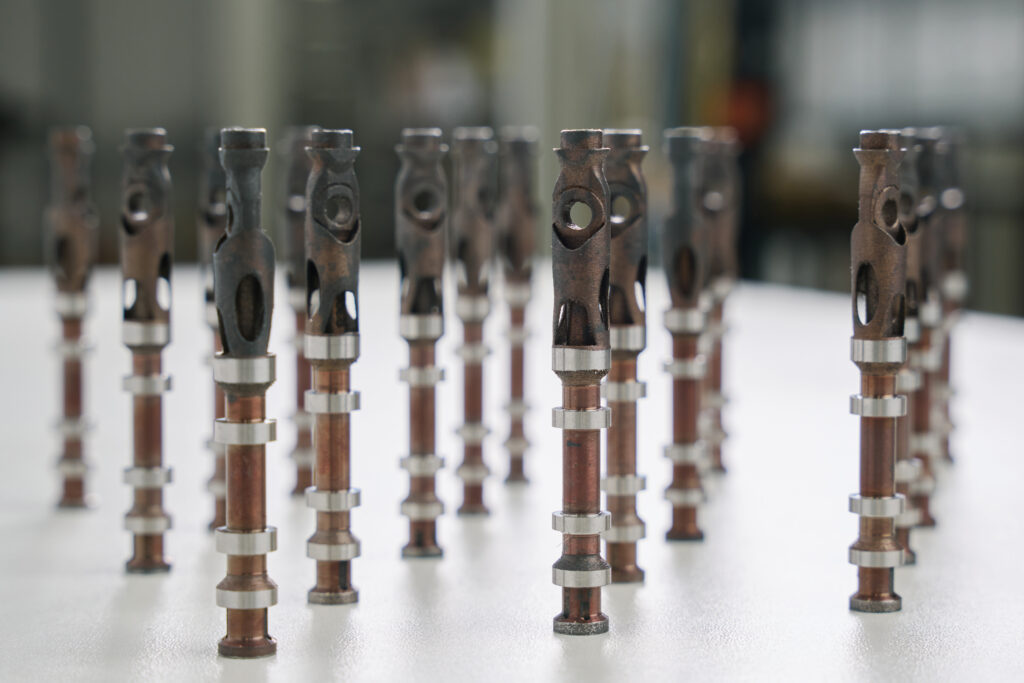
High-precision grinding machines are used to refine critical surfaces such as valve spools and control edges. These surfaces must be aligned with extreme accuracy to ensure that hydraulic valves operate smoothly and reliably. Even microscopic deviations can significantly affect performance, making precision machining an essential part of the manufacturing process.
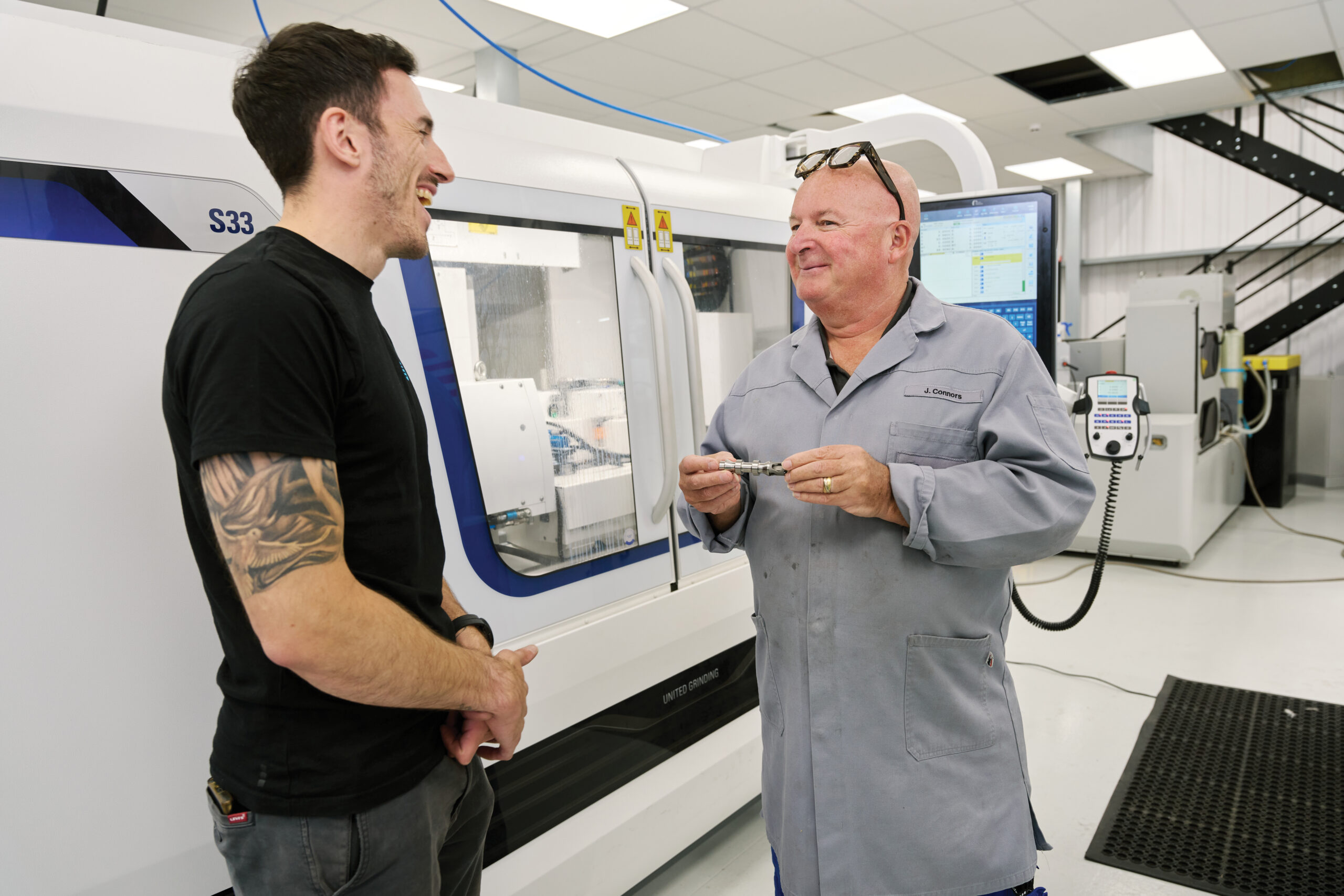
Modern universal cylindrical grinding machines are designed to meet these demanding requirements. Equipped with advanced hardware and intelligent software architecture, they provide exceptional accuracy, thermal stability, and vibration control. Their integrated measurement systems allow continuous monitoring of machining processes, ensuring consistent results across large production batches.
One notable example of such advanced technology is the use of high-precision grinding machines capable of achieving diameter tolerances of just three micrometers. To put this into perspective, this tolerance is approximately twenty times smaller than the diameter of a human hair. Achieving such precision allows manufacturers to produce hydraulic valve components that are fully interchangeable without requiring manual pairing or adjustments.
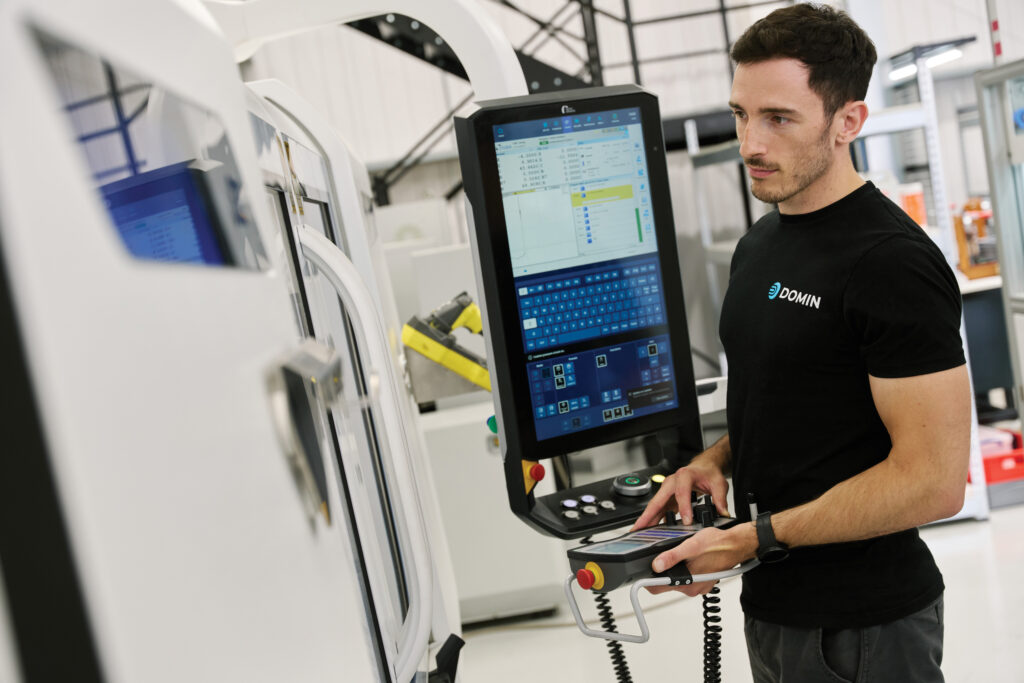
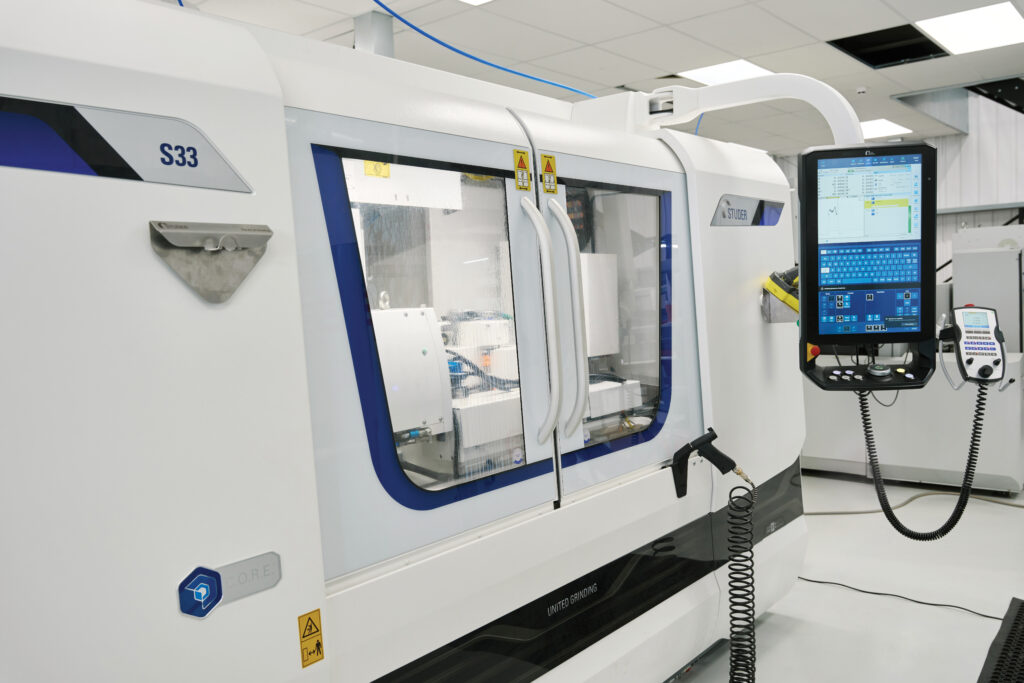
Beyond precision, productivity improvements are also a major advantage. In many cases, traditional manufacturing methods such as wire electrical discharge machining (EDM) were previously used to achieve the necessary accuracy. While effective, these processes can be slow and difficult to scale for large production volumes. By switching to advanced grinding solutions, manufacturers have significantly reduced machining times while maintaining extremely tight tolerances.
For instance, machining processes that once required nearly an hour can now be completed in as little as five minutes. This dramatic improvement not only increases production capacity but also lowers operational costs and improves overall manufacturing efficiency.
Another key advantage of modern grinding systems is their flexibility. Multi-wheel configurations allow multiple grinding operations to be completed within a single machine setup. This reduces the need for tool changes or repositioning of components, minimizing the risk of errors and improving process reliability. As a result, manufacturers can achieve consistent quality while simplifying complex production workflows.
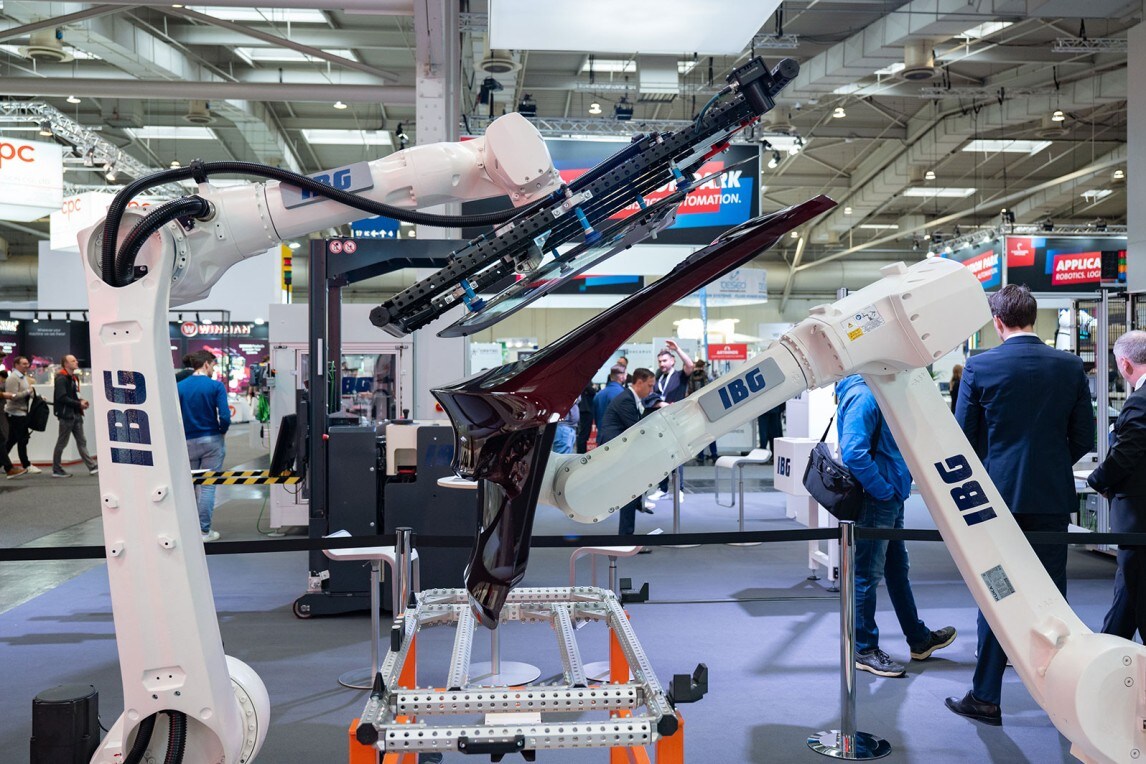
Looking ahead, automation is expected to play an even greater role in advanced manufacturing environments. Many high-precision grinding machines are now designed with standardized interfaces that allow seamless integration with robotic loading systems and automated production lines. This enables manufacturers to scale their operations while maintaining the high accuracy required for critical components.
The combination of additive manufacturing, precision grinding, and automation is shaping the future of hydraulic engineering. As industries increasingly demand higher efficiency, sustainability, and performance, advanced manufacturing technologies will continue to redefine what is possible.
Ultimately, the evolution of hydraulic component manufacturing demonstrates how precision engineering remains at the heart of technological progress. By pushing the limits of accuracy and efficiency, modern manufacturing solutions are not only improving existing systems but also opening the door to entirely new applications in robotics, aerospace, energy, and beyond.
For more info:
www.studer.com