At global manufacturing exhibitions, India showcases world-class ambition but beneath the gleaming machines lies a strategic vulnerability. The digital controllers that power modern automation, defence, healthcare, and process industries are still overwhelmingly imported. As India accelerates toward Viksit Bharat, the question is no longer whether digital controllers are critical, but whether India can afford not to manufacture them at home.
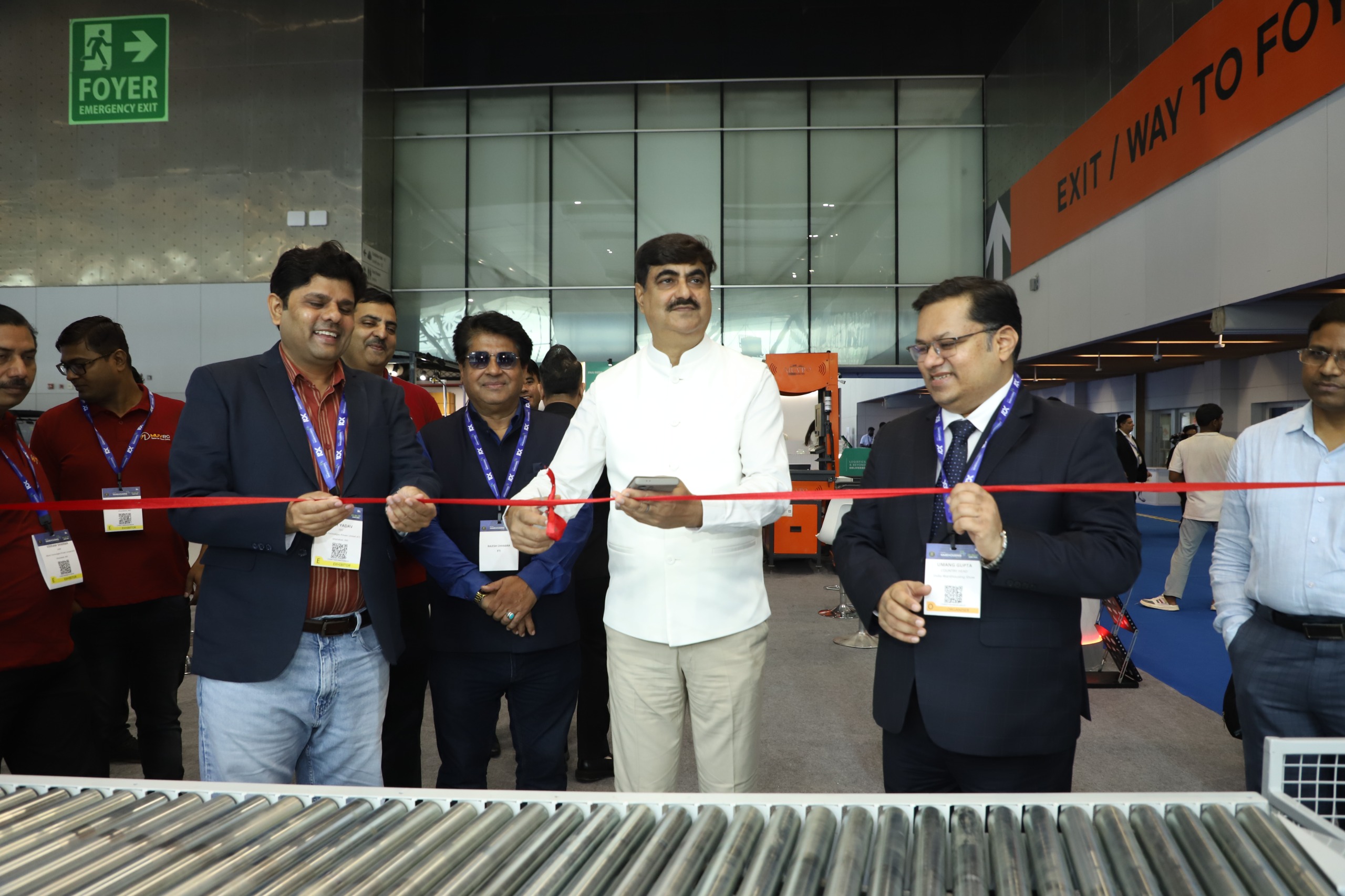
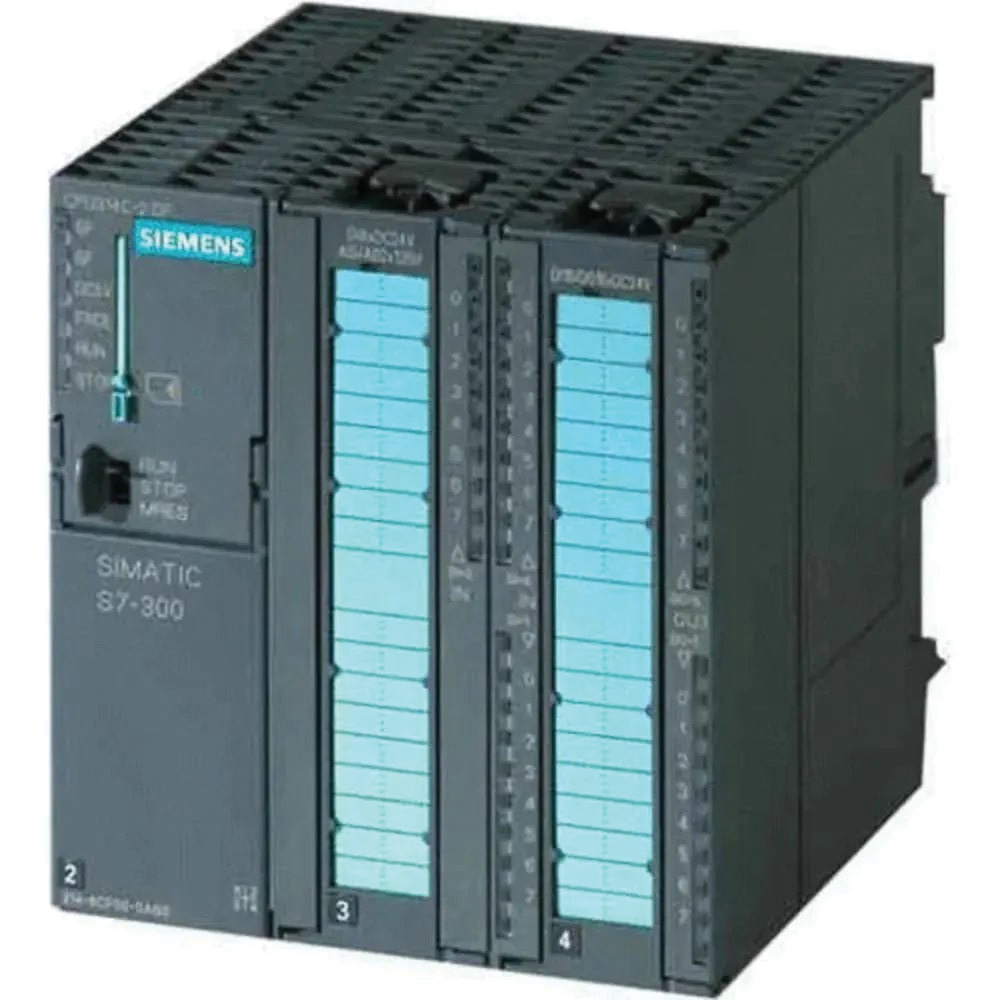
Walk through the halls of IMTEX, India’s premier metal-forming exhibition, and a striking pattern emerges. The most advanced machines whether from Europe, Japan, the United States, or even domestic system integrators are unified by a single backbone: digital controllers sourced from a handful of global manufacturers. Programmable Logic Controllers (PLCs), motion controllers, CNC controllers, digital signal processors, and specialised machine controllers are overwhelmingly dominated by companies such as Siemens, Rockwell Automation, ABB, Mitsubishi, Schneider Electric, and Omron. The conspicuous absence of Indian manufacturers in this critical layer is not accidental; it is structural, rooted in decades of reliance on imported control intelligence rather than indigenous development.
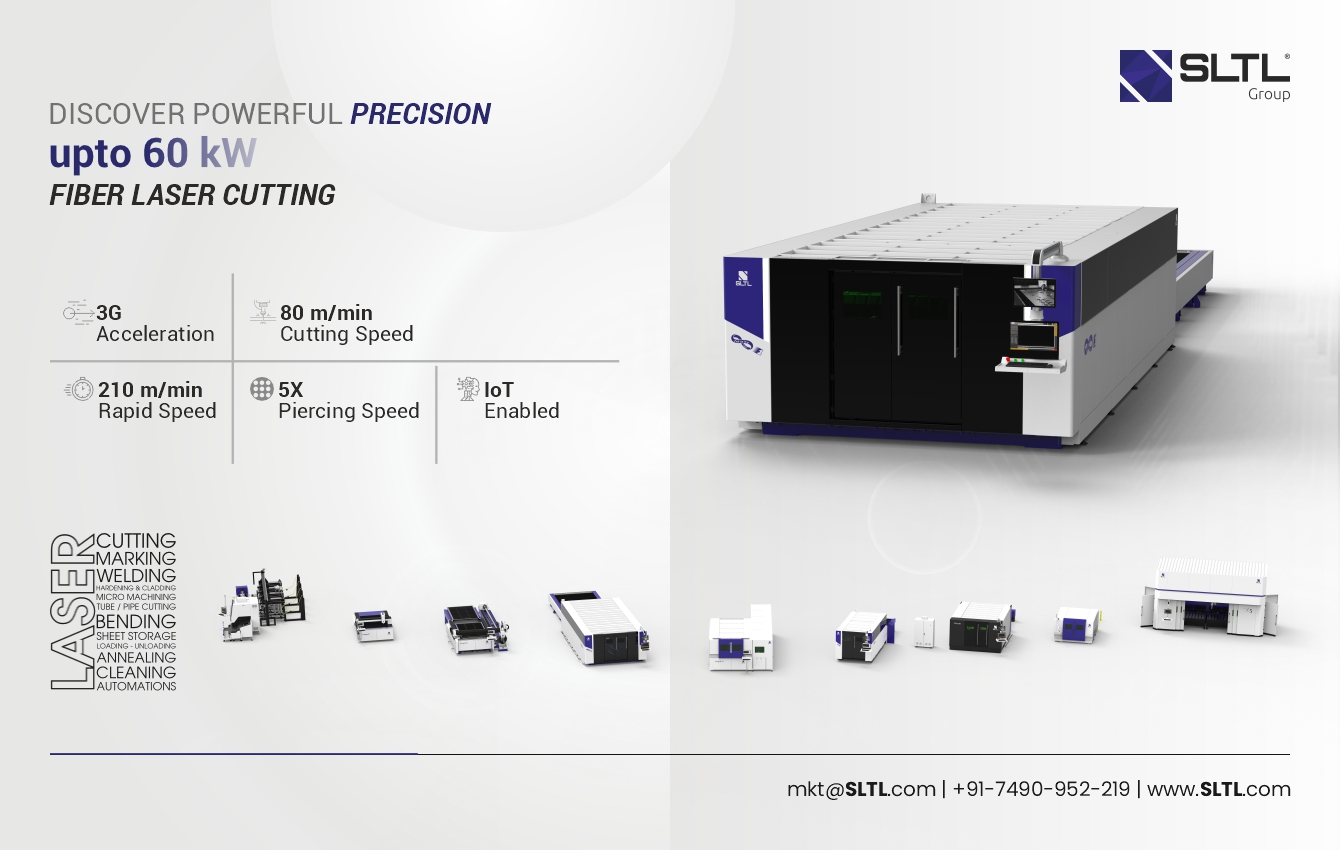
Digital controllers are not peripheral components. They are the brain of modern manufacturing systems, coordinating motion, energy use, safety logic, precision timing, and increasingly, data-driven decision-making. Without them, automation collapses into mechanical motion without intelligence. Yet, despite India’s strong mechanical engineering base and growing software expertise, the country remains dependent on foreign suppliers for the very intelligence that governs industrial performance.
The global opportunity, however, is immense and expanding rapidly. Machine automation controllers alone represent a market exceeding USD 40 billion today, projected to nearly double by 2035. When direct digital control systems, embedded controllers, and digital current controllers for power electronics are added, the total addressable market comfortably crosses USD 100 billion. These systems form the nervous system of Industry 4.0 integrating artificial intelligence, industrial IoT, predictive maintenance, energy optimisation, and autonomous decision-making across sectors ranging from renewable energy and electric vehicles to smart infrastructure, aerospace, and advanced medical technology.

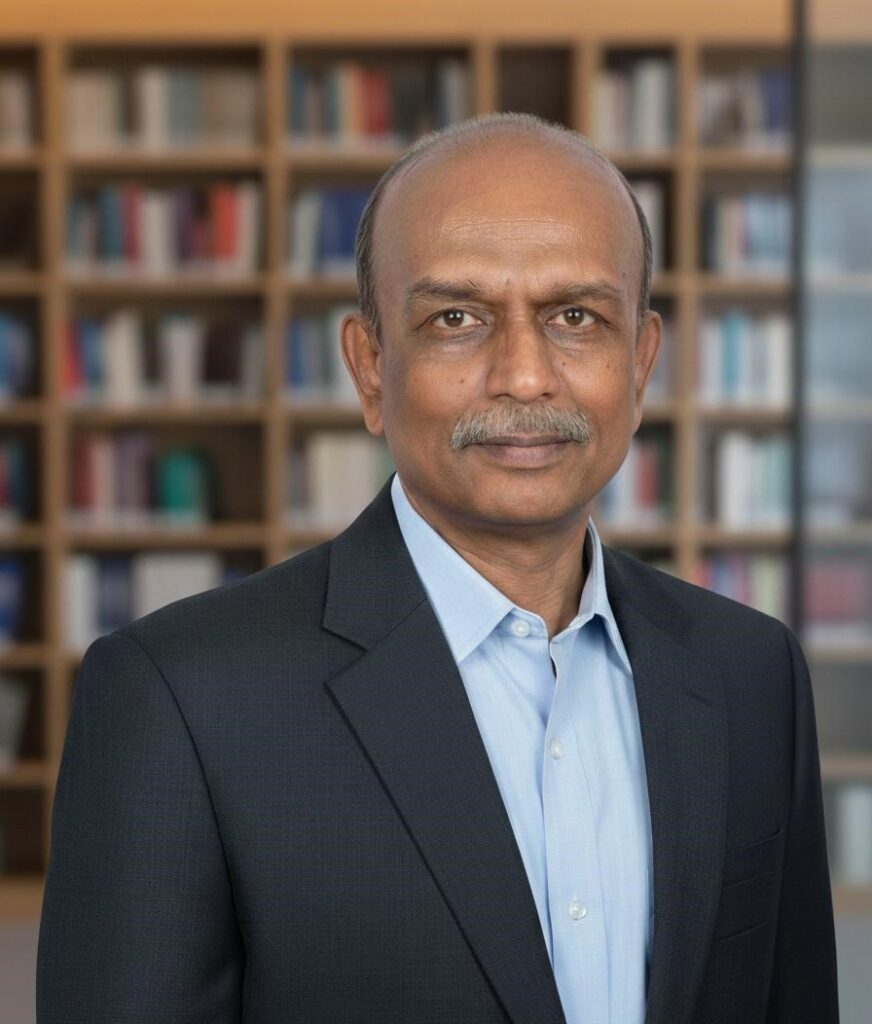
R Mohan
Dewang kapadia
For India, this market is not merely an export opportunity; it is a strategic necessity. Imported controllers lock domestic manufacturers into proprietary ecosystems, restrict flexibility, inflate lifecycle costs, and expose supply chains to geopolitical risk. Recent global disruptions from semiconductor shortages to trade restrictions have already demonstrated how fragile such dependencies can be. In a country aiming to scale manufacturing, defence preparedness, and digital infrastructure simultaneously, this vulnerability cannot be ignored.
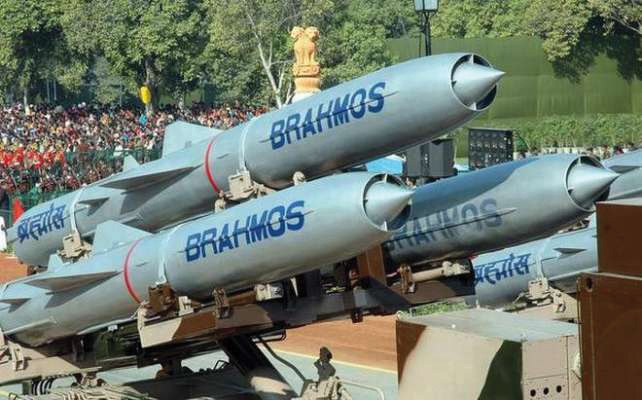
Beyond economics lies an even more compelling argument: control, sovereignty, and security. Digital controllers increasingly influence not just productivity but safety, data integrity, and system reliability. India has already demonstrated capability under critical conditions. Indigenous digital controllers powering strategic defence and aerospace systems were developed by Indian firms under DRDO supervision, proving conclusively that when national urgency exists, technical competence follows. These successes dismantle the myth that advanced controller design is beyond Indian industry’s reach. The challenge now is scaling this capability from isolated defence projects to widespread industrial adoption.
Healthcare presents one of the most visible and concerning examples of strategic dependence. Advanced robotic surgery systems, reliant on proprietary foreign controllers and closed software architectures, often cost upwards of ₹15 crore per unit. Their pricing is highly sensitive to currency volatility, import duties, and licensing restrictions. Dependence on black-box technologies in such critical sectors threatens affordability, limits accessibility for Tier 2 and Tier 3 cities, and weakens long-term resilience. Localising controller technology could dramatically reduce costs, improve serviceability, and accelerate innovation tailored to Indian clinical realities.
Similar constraints exist in high-temperature processing, semiconductor-grade furnaces, and aerospace materials manufacturing. Imported furnaces and control systems dictate not only equipment costs but also spare availability, upgrade cycles, and even permissible process parameters. This effectively outsources technological decision-making to external vendors, limiting India’s ability to innovate independently in high-value manufacturing.
The path forward demands coordinated and deliberate action. India must invest aggressively in controller-focused research and development, not just at the component level but across firmware, real-time operating systems, cybersecurity, and application-specific architectures. Specialised engineering pipelines must be strengthened through IITs, NITs, and RECs, with curricula aligned to embedded systems, power electronics, and industrial automation. Public–private partnerships can play a catalytic role, pairing domestic manufacturers with research institutions and government backing to de-risk early-stage development.
Encouragingly, India already has many of the required ingredients. Over 85,000 engineers are currently engaged across electronics, embedded systems, data, and automation domains. The country’s Global Capability Centre (GCC) ecosystem hosts some of the world’s most advanced controller design and validation work ironically for foreign brands. Redirecting even a fraction of this expertise toward indigenous platforms could transform the landscape.
The digital controller moment is here. As India pushes toward Atmanirbhar Bharat and Viksit Bharat, mastering the intelligence behind machines is no longer optional. The question is not whether India can build world-class digital controllers it already has. The real question is whether India will choose to scale them, standardise them, and make them the foundation of its industrial future.