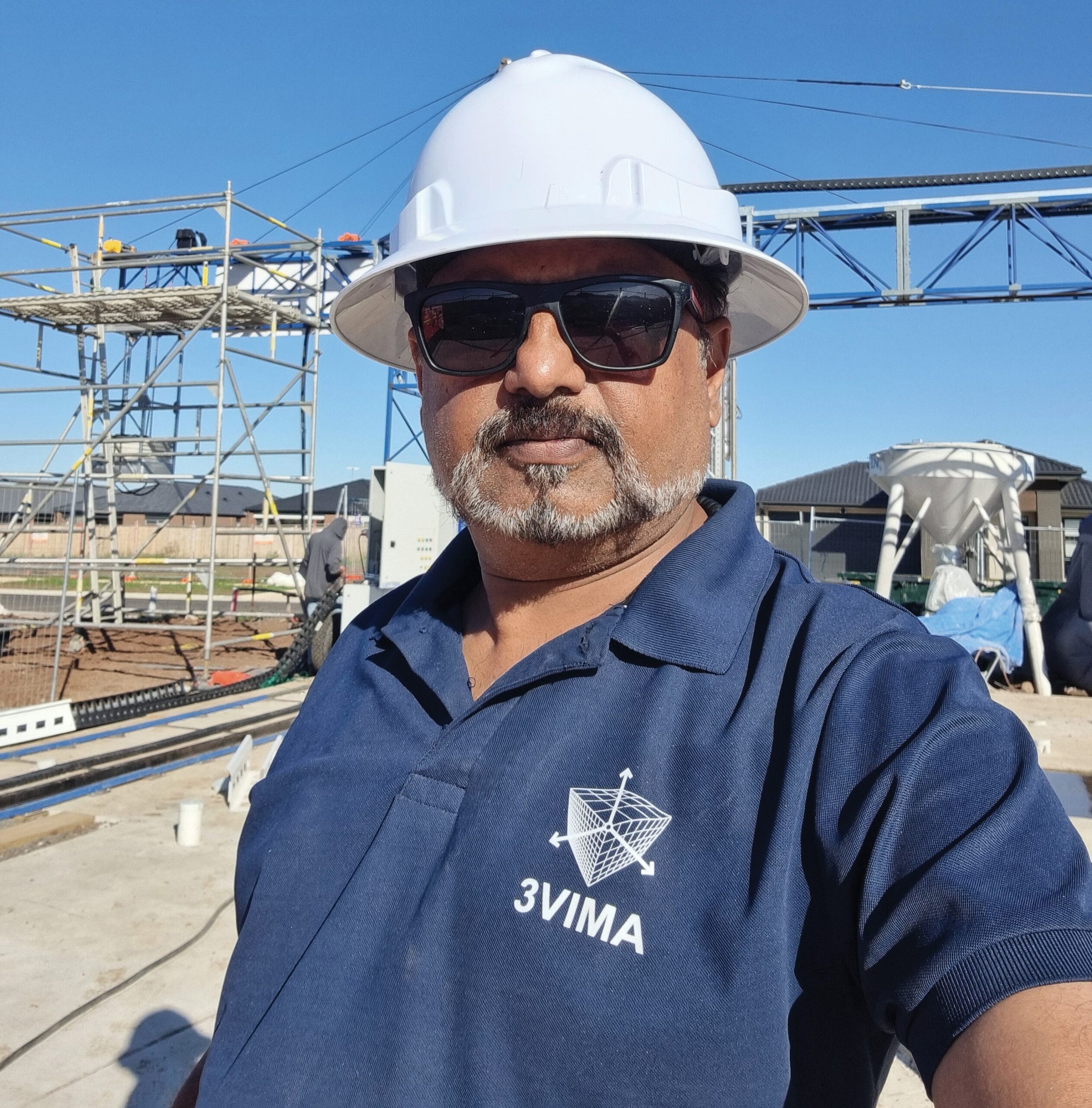
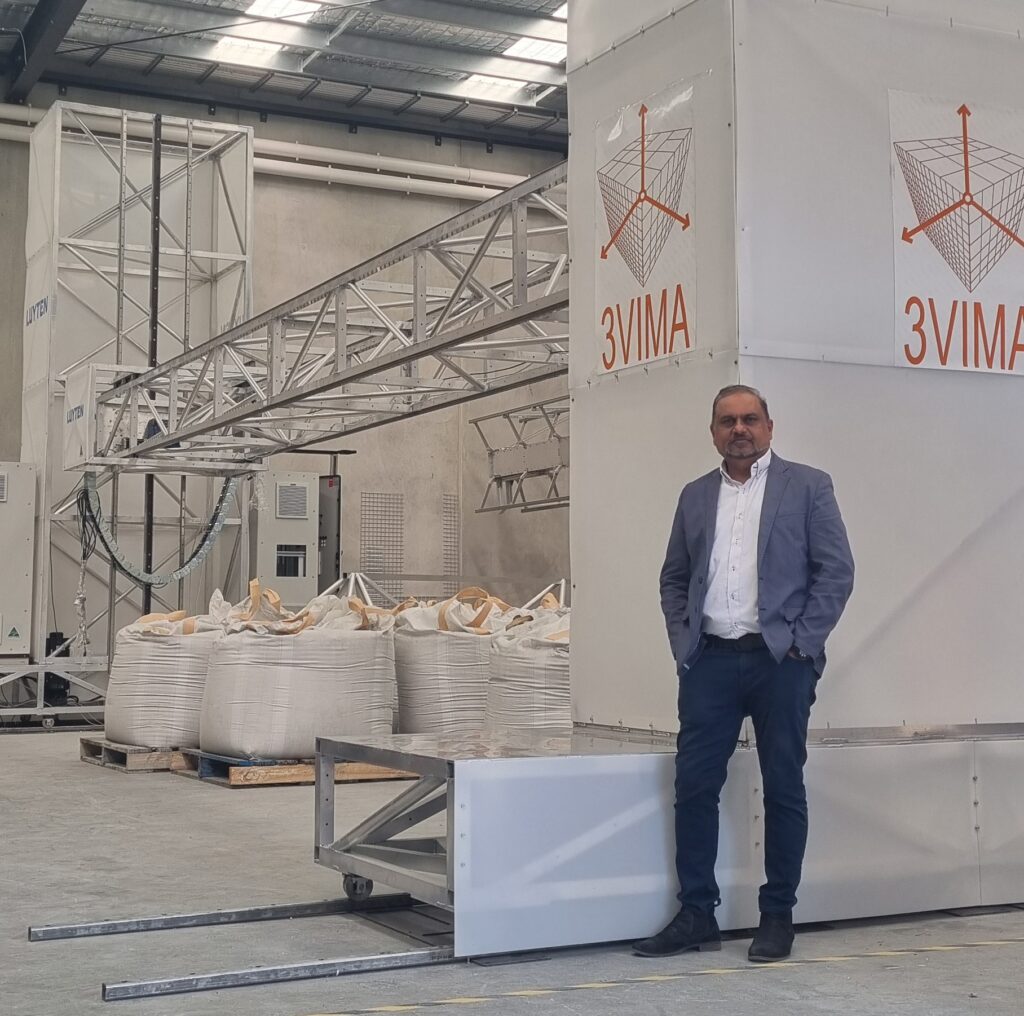
Dr. Jai Ranganathan, CEO & Founder 3VIMA Pty Ltd
In a world racing toward rapid urbanisation and infrastructure expansion, the construction industry stands at a transformative crossroads. Traditional practices, long reliant on manual processes and incremental innovation, are now being challenged by the rise of intelligent technologies. At the heart of this shift is the convergence of Artificial Intelligence (AI) and robotics technologies that promise not just efficiency, but a complete reimagining of how we design, build, and sustain the built environment.
The global construction landscape is undergoing one of its most profound evolutions in decades. What was once an industry defined by labour-intensive processes, time overruns, and material inefficiencies is now embracing a future shaped by data, automation, and precision engineering. Leading this transformation is Dr. Jai Ranganathan, Founder and CEO of 3VIMA Pty Ltd, whose vision is steadily redefining how the world builds and he is popularly know as the 3D Man.
At its core, the integration of AI and robotics in construction addresses a long-standing gap between design and execution. While architectural and engineering innovations have advanced rapidly over the years, on-site construction has often lagged behind, constrained by manual limitations and unpredictable variables. AI acts as the “brain” of modern construction processing vast datasets, predicting project risks, optimising supply chains, and simulating outcomes before physical work even begins. Robotics, on the other hand, function as the “hands,” executing these intelligent plans with unmatched precision and consistency.
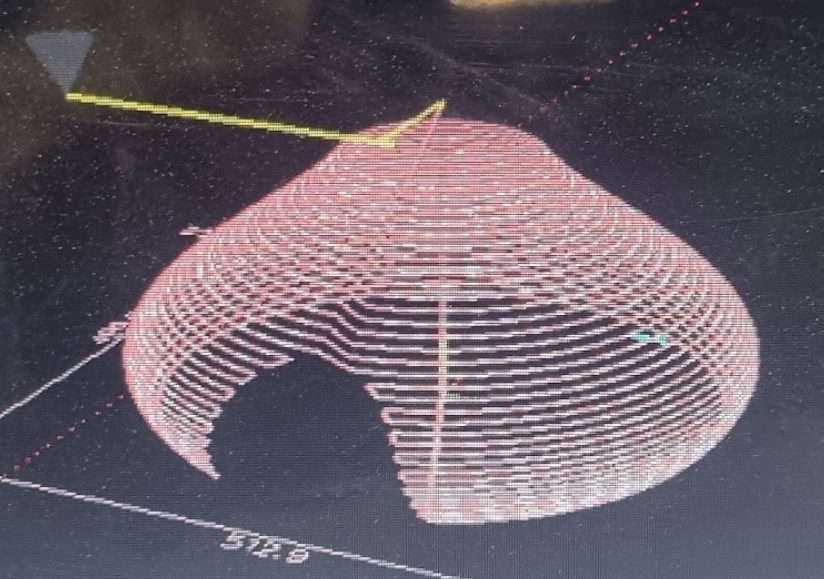

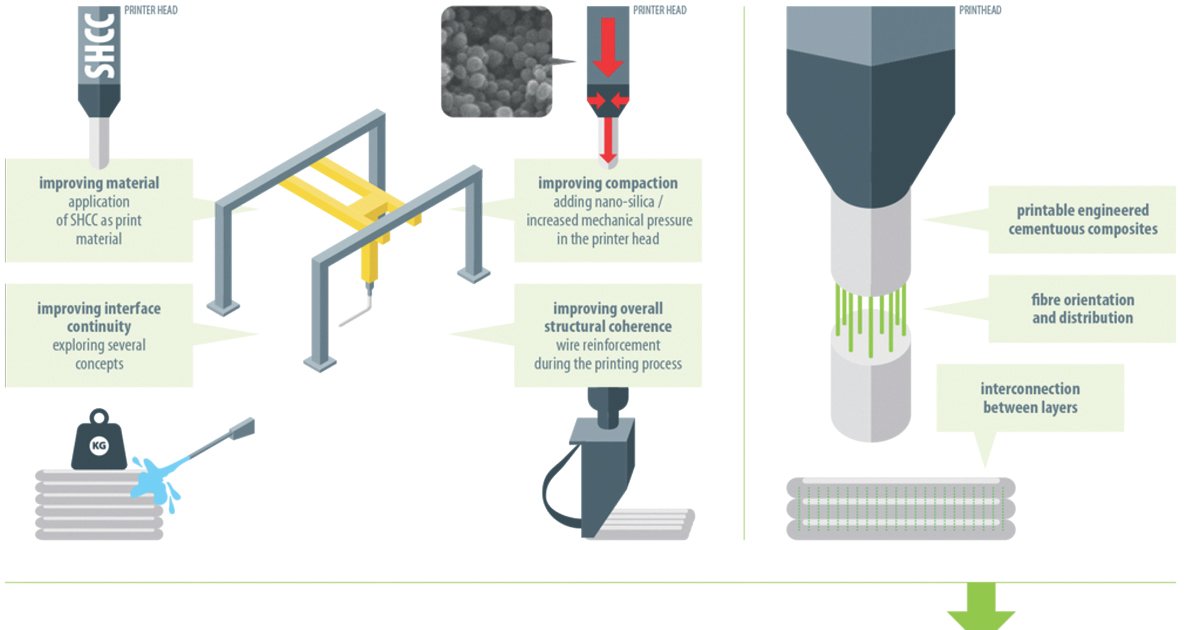
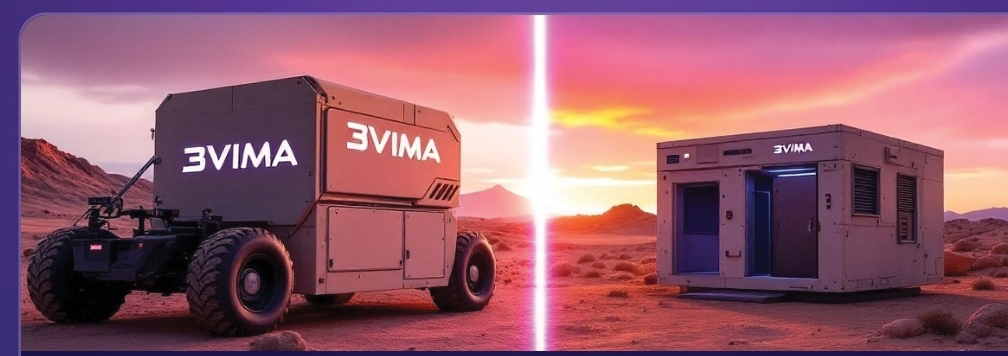
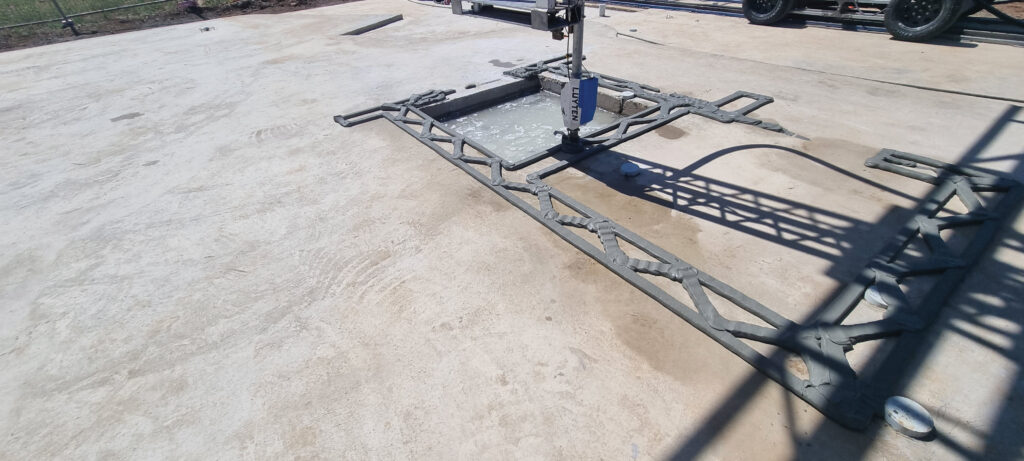
This synergy transforms construction sites into dynamic, data-driven ecosystems. Instead of reactive decision-making, project managers can now rely on predictive analytics powered by AI. Delays, cost overruns, and safety hazards can be anticipated and mitigated in advance. Meanwhile, robotic systems such as autonomous 3D concrete printers and mobile construction units ensure that execution aligns perfectly with digital designs, reducing errors and rework.
One of the most compelling aspects of this transformation is its relevance to emerging economies, particularly India. With its vast infrastructure demands from affordable housing to smart cities India presents a unique opportunity to leapfrog traditional construction challenges. Government initiatives such as Make in India, Digital India, and the Smart Cities Mission are already laying the groundwork for technology-driven development. In this context, AI and robotics are not merely enhancements; they are essential tools for scaling construction sustainably and efficiently.
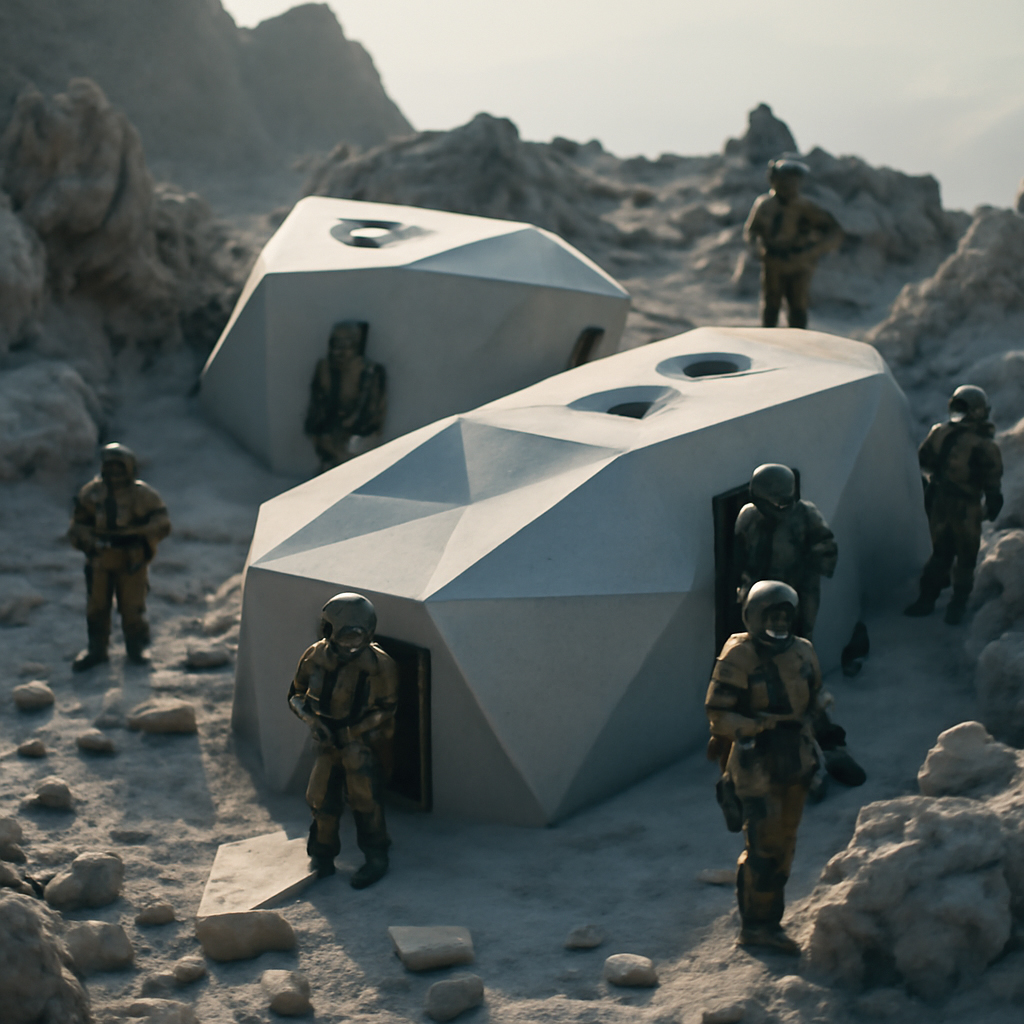
The adoption of these technologies also introduces a new level of adaptability. Unlike conventional systems that require controlled environments and extensive setup, advanced robotic solutions can operate in diverse and challenging conditions. Whether it’s uneven terrain, remote locations, or extreme climates, intelligent machines can adjust in real time modifying parameters based on environmental data such as temperature, humidity, and material behaviour. This flexibility opens doors to construction in areas that were previously considered too complex or resource-intensive.
However, the rise of automation inevitably raises concerns about workforce displacement. The fear that machines will replace human labour is a valid one, but it only tells part of the story. In reality, the integration of AI and robotics is less about replacement and more about transformation. New roles are emerging across the construction ecosystem robotic technicians, AI analysts, digital fabrication specialists, and automation engineers. These roles not only demand higher skill levels but also offer better working conditions and long-term career growth.
For countries like India, this shift presents a significant opportunity. By investing in skill development and education, the workforce can evolve alongside technology, ensuring that workers are not left behind but instead empowered by innovation. Initiatives that integrate robotics and AI into engineering curricula, as well as industry-academia collaborations, will play a crucial role in preparing the next generation of construction professionals.
Beyond productivity and workforce transformation, the environmental implications of AI-driven construction are equally significant. Traditional construction methods are notoriously wasteful, often resulting in material losses of up to 30 percent. Robotic precision dramatically reduces this waste, ensuring that materials are used optimally. AI further enhances sustainability by enabling energy-efficient designs, recommending eco-friendly materials, and simulating building performance to minimise environmental impact.
The concept of “digital twins” is another breakthrough redefining construction management. These virtual replicas of physical sites are continuously updated with real-time data from sensors, drones, and IoT devices. By analysing this data, AI systems can provide insights into project health, predict maintenance needs, and optimise operations across the lifecycle of a structure. This shift from reactive to predictive management not only saves time and resources but also enhances safety and reliability.
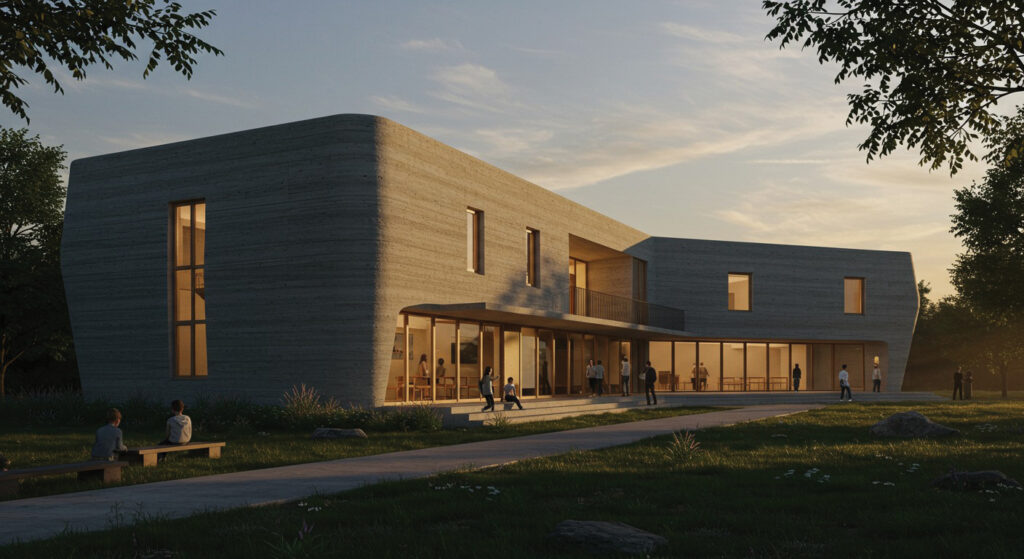
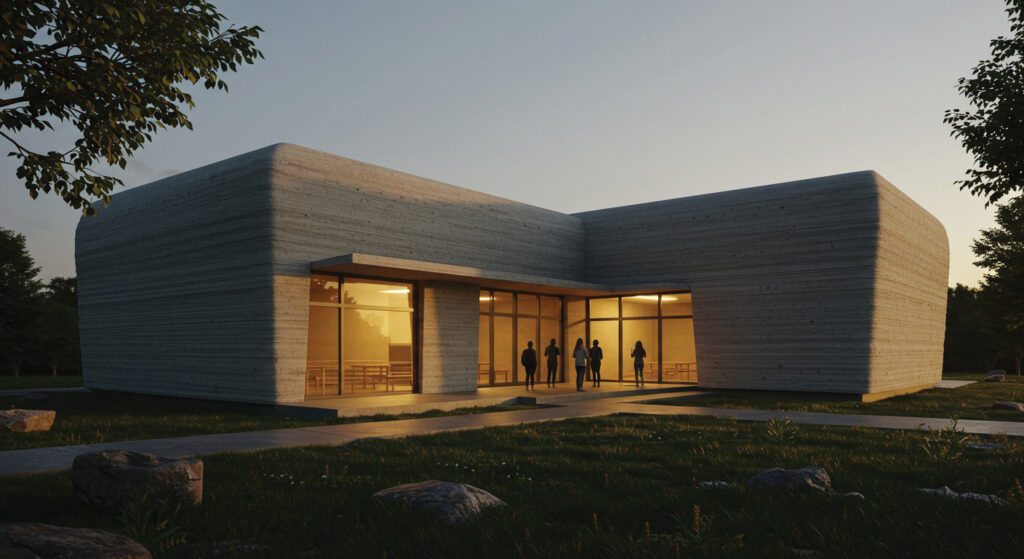
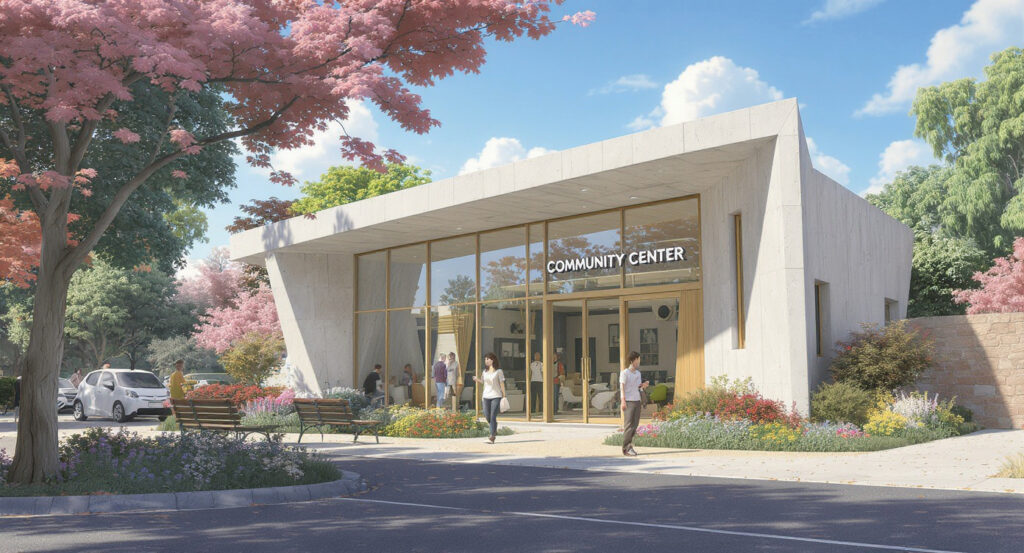

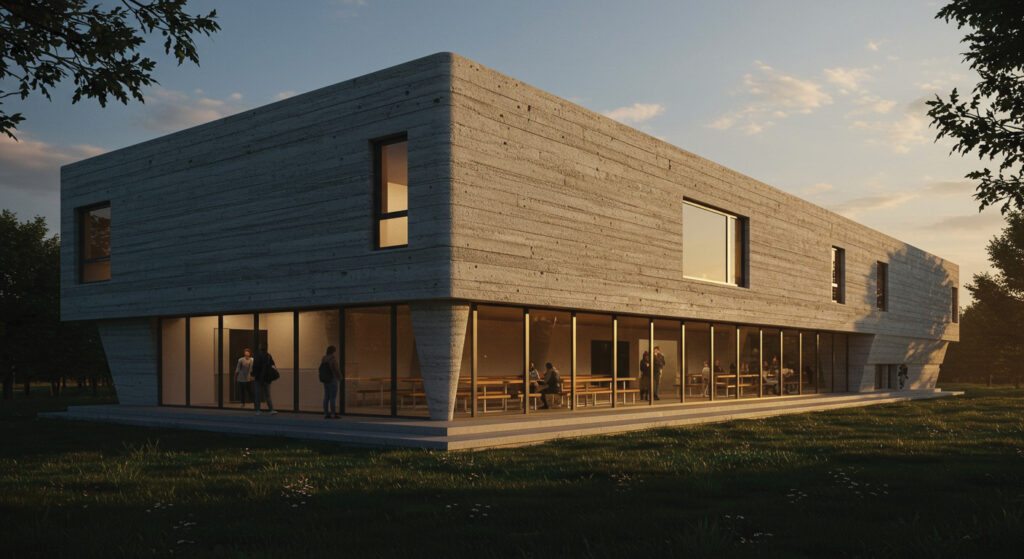
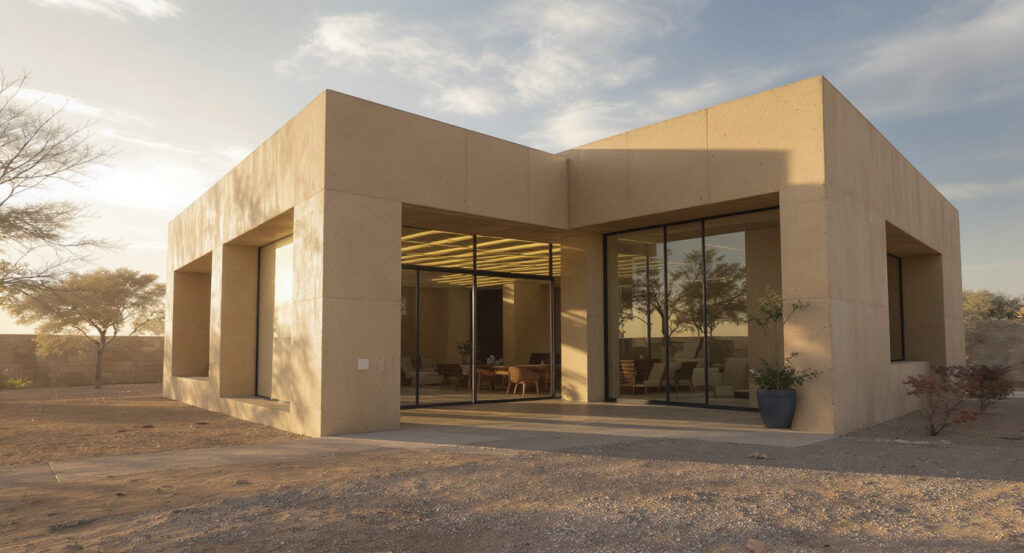
Accessibility, however, remains a critical factor in the widespread adoption of these technologies. Large corporations may have the resources to invest in advanced systems, but small and medium enterprises (SMEs) often face financial and technical barriers. Recognising this, companies like 3VIMA Pty Ltd are working to democratise access through scalable solutions. Cloud-based platforms, subscription models, and plug-and-play systems allow smaller firms to gradually integrate AI into their operations without significant upfront investment.
This democratisation is essential for creating an inclusive construction ecosystem one where innovation is not limited to industry giants but is accessible to builders of all scales. From small residential projects to large infrastructure developments, the benefits of intelligent construction can be realised across the board.
Looking ahead, the future of construction is poised to become even more interconnected and intelligent. By 2030, India is expected to emerge as a global hub for construction technology, leveraging its scale, talent pool, and entrepreneurial spirit. The country has the potential not only to adopt advanced systems but also to develop and export them, positioning itself as a leader in the global construction landscape.

By 2035, the vision becomes even more ambitious. Construction sites may evolve into fully autonomous environments where AI handles design validation, robots execute builds, and predictive systems ensure continuous maintenance. Buildings themselves could become “living systems,” capable of monitoring their own performance and adapting to changing conditions. This convergence of intelligence and infrastructure represents a fundamental shift from static structures to dynamic, responsive environments.

Yet, amid all this technological advancement, one principle remains constant: the human element. Innovation in construction is ultimately about improving lives creating safer homes, more efficient workplaces, and sustainable cities. AI and robotics are tools that enable this vision, but it is human creativity, ingenuity, and purpose that drive it forward.
As Dr. Jai Ranganathan aptly puts it, the goal is not just to build structures, but to build intelligence into every square metre. This philosophy encapsulates the essence of the transformation underway a shift from construction as a physical process to construction as an intelligent system.
In this new era, the boundaries between design, execution, and operation are becoming increasingly blurred. What emerges is a holistic approach where every stage of the construction lifecycle is interconnected, optimised, and continuously evolving. It is a future where buildings are not merely constructed but are engineered to think, adapt, and endure.
The foundations of this future are already being laid today. As AI and robotics continue to advance, their impact on construction will only deepen, reshaping not just how we build, but what we believe is possible. For an industry that has long been defined by tradition, this marks the beginning of a bold new chapter one where technology and imagination come together to build the world of tomorrow.
For More info:-
https://3vima.construction