As global industries face mounting pressure from rising costs, supply chain disruptions, sustainability targets, and rapid technological change, HANNOVER MESSE 2026 demonstrated how innovation can become a powerful engine for competitiveness. The world’s leading industrial technology exhibition showcased practical applications of artificial intelligence, automation, robotics, digitalization, and energy solutions that are transforming manufacturing and preparing businesses for the future.
HANNOVER MESSE 2026 delivered a clear message to the global manufacturing sector: the technologies required to build resilient, efficient, and competitive industries are no longer concepts for tomorrow they are available today. Bringing together approximately 110,000 visitors from around the world, the event highlighted how industrial organizations are adopting advanced technologies to navigate increasingly complex market conditions and accelerate digital transformation.
A dominant theme throughout the exhibition was the growing role of artificial intelligence in industrial operations. AI has evolved from experimental pilot projects into practical business tools capable of improving productivity, reducing downtime, optimizing resources, and enhancing decision-making. Exhibitors demonstrated AI-powered production systems capable of predicting equipment failures, automating quality inspections, and streamlining manufacturing processes. These applications are enabling companies to achieve greater operational efficiency while maintaining flexibility in rapidly changing markets.
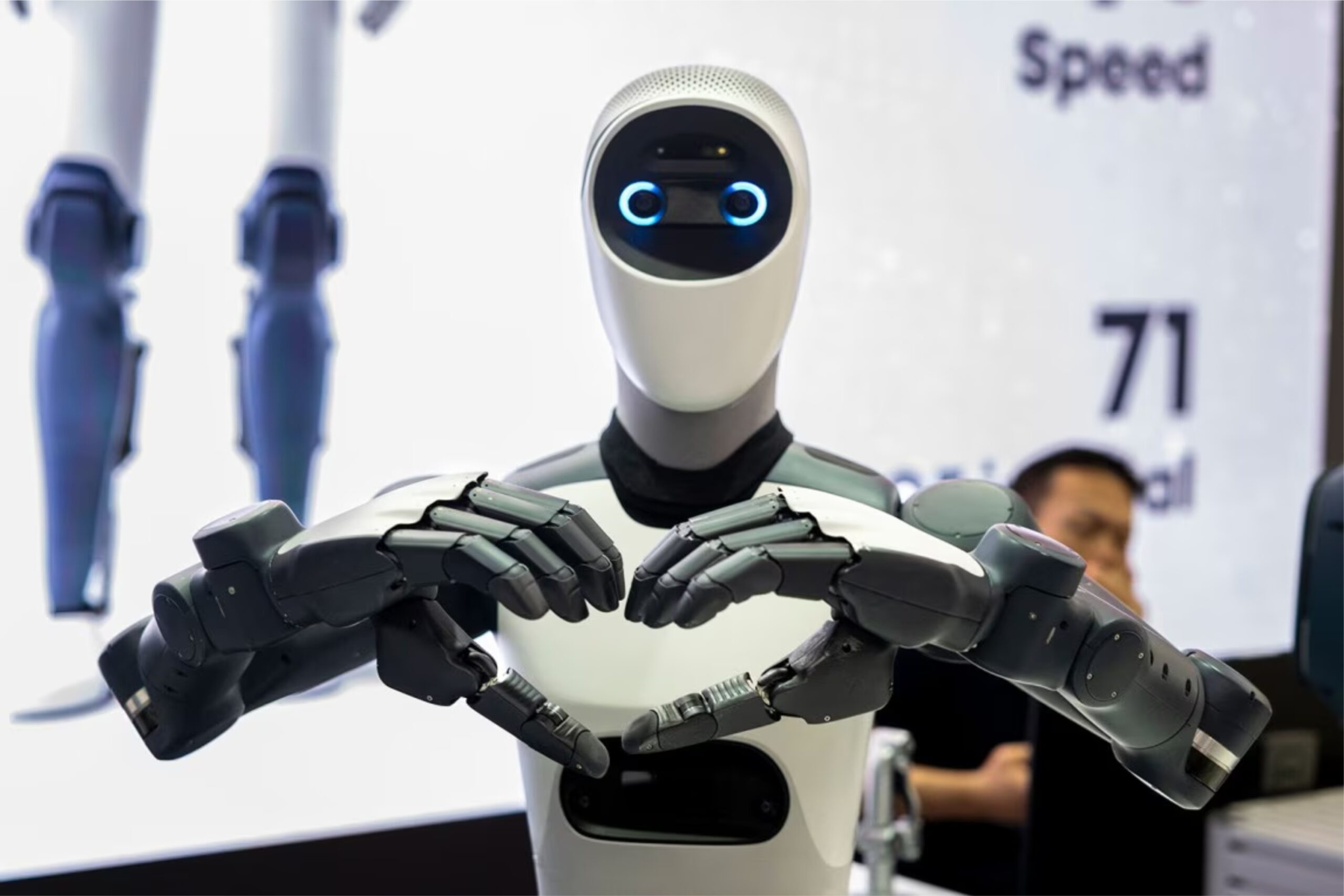
Robotics and automation also took center stage. Advanced robotic systems, including next-generation humanoid robots, showcased capabilities that were once considered futuristic. These machines are increasingly able to perform complex movements, collaborate with human workers, and support production environments requiring precision and adaptability. The integration of robotics with AI is creating smarter factories capable of autonomous operations and continuous optimization.
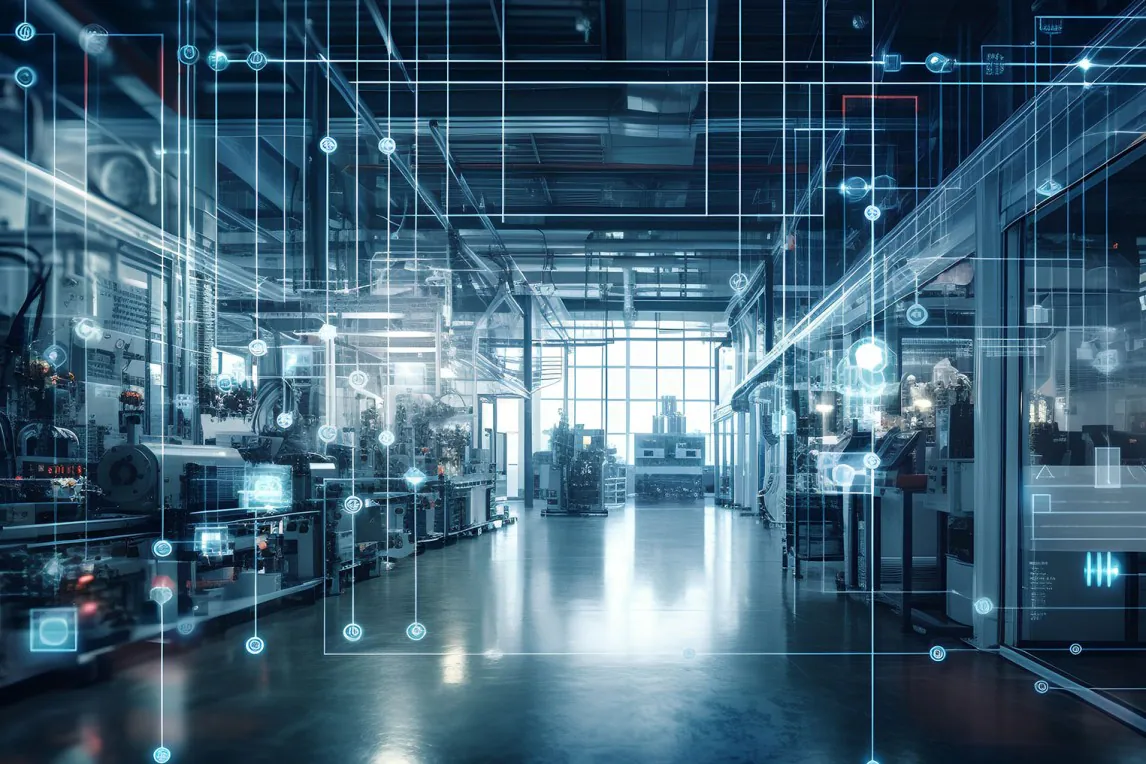
Another significant focus area was digitalization. Manufacturers are increasingly leveraging digital twins, Industrial Internet of Things (IIoT) platforms, and connected production networks to gain real-time visibility into operations. These technologies allow businesses to simulate production scenarios, improve maintenance strategies, and make data-driven decisions that enhance productivity and reduce costs. The result is a more agile manufacturing ecosystem capable of responding quickly to market demands and supply chain challenges.
Energy infrastructure and sustainability emerged as equally critical priorities. Companies presented innovative solutions aimed at improving energy efficiency, expanding grid capacity, and supporting the transition toward carbon-neutral industrial operations. As energy costs continue to influence industrial competitiveness, smart energy management technologies are becoming essential components of modern manufacturing strategies.
Beyond the technology displays, HANNOVER MESSE served as a platform for dialogue between industry leaders, policymakers, and innovators. Business executives emphasized the need for supportive regulatory frameworks that encourage investment, innovation, and digital adoption. While technological solutions are available, industry representatives stressed that policy reforms and reduced regulatory barriers are necessary to unlock their full potential and strengthen Europe’s position in global markets.
Looking ahead, the exhibition underscored a fundamental shift in industrial strategy. The future belongs to organizations that can successfully combine artificial intelligence with physical production systems, creating intelligent factories that are efficient, sustainable, and resilient. HANNOVER MESSE 2026 demonstrated that the next phase of industrial transformation is already underway, with technology providing the roadmap toward long-term competitiveness and growth.