
In a significant move within the global manufacturing technology industry, Italian engineering company VIGEL S.p.A. has announced the acquisition of MCM S.p.A. The strategic transition marks a new chapter for both companies as they aim to expand technological capabilities, diversify markets, and strengthen their presence in advanced machining solutions worldwide.
The global manufacturing sector continues to evolve rapidly, driven by innovation, automation, and the growing demand for advanced machining solutions. In this competitive landscape, strategic partnerships and acquisitions have become key tools for companies seeking to expand their technological capabilities and global reach. One such development occurred on January 30, 2026, when VIGEL S.p.A. officially announced the acquisition of MCM S.p.A., marking a major step forward for the manufacturing technologies group.
The transfer of ownership of MCM S.p.A. was completed through MCM Manufacturing Technologies S.r.l., a subsidiary of the GENFIN holding group, which also controls VIGEL S.p.A. This move consolidates the strengths of two respected players in the field of manufacturing technologies and reinforces a shared long-term vision of building a powerful and diversified organization focused on advanced machining solutions for global industries.
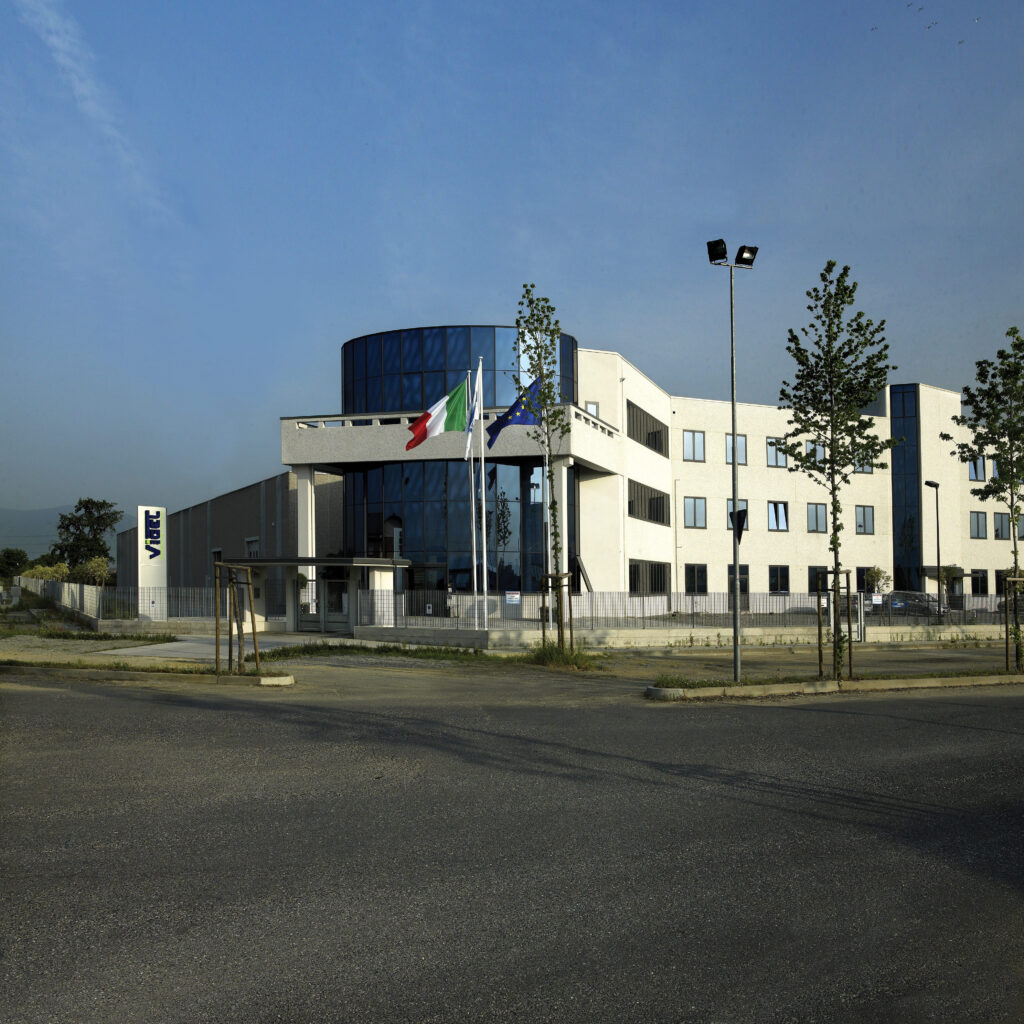
Founded in 1947 in Turin, Italy, VIGEL has long been recognized as a pioneer in the design and production of multi-spindle machining centers. The company remains owned by the founding family and has grown steadily over the decades into a multinational enterprise. Today, VIGEL operates manufacturing facilities in Italy, India, and China, while maintaining branches and operations across Europe, the United States, Mexico, India, China, and Korea. Its portfolio includes machining centers, vertical lathes, and specialized machine tools tailored primarily for the automotive industry.
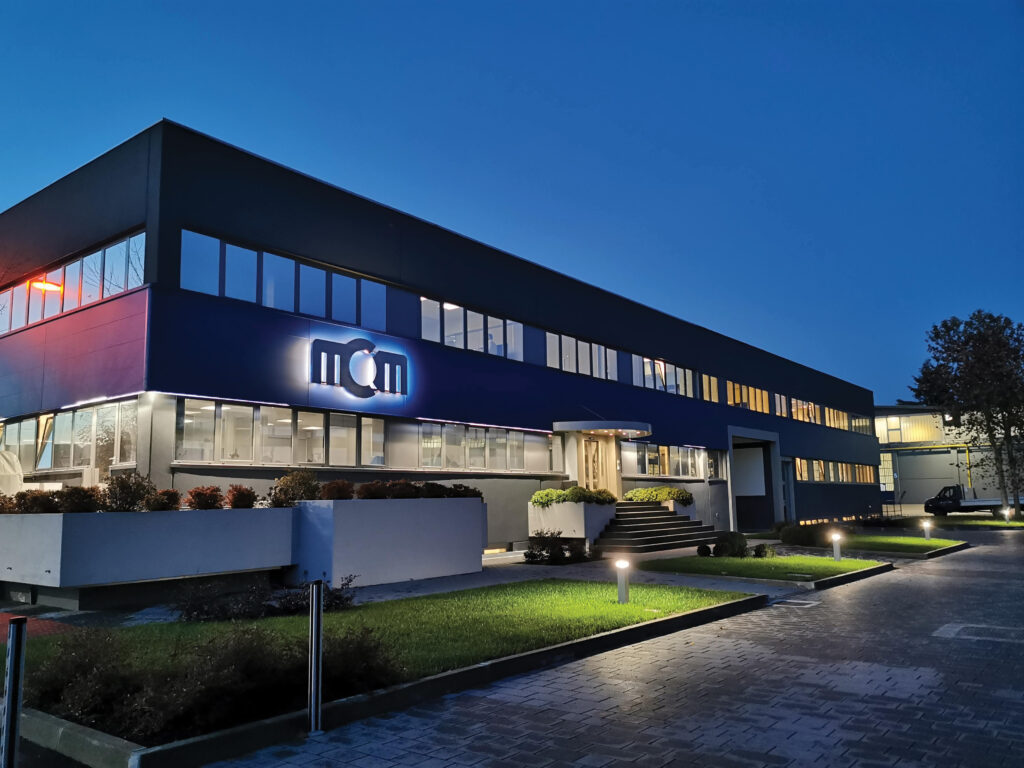
MCM S.p.A., established in 1978 in Piacenza, Italy, has built a strong reputation for its expertise in horizontal machining centers and flexible manufacturing systems. What distinguishes MCM is its integrated technological approach, which combines advanced mechanical processing with supervisory software developed by its own internal IT division. This combination enables high levels of automation, precision, and efficiency in modern manufacturing environments. MCM’s technologies are widely used across multiple industrial sectors, with a particularly strong presence in aerospace manufacturing.
The acquisition represents more than a corporate transaction; it reflects a strategic alignment between two companies whose technologies and expertise complement each other. By bringing together VIGEL’s experience in automotive machining solutions and MCM’s advanced systems for aerospace and flexible manufacturing, the newly strengthened group can deliver a broader and more sophisticated range of solutions to global customers.
Industry analysts note that the integration of these companies could create significant synergies across several key operational areas. Sales networks will expand, product development initiatives can be combined, and manufacturing capabilities can be optimized across facilities. Procurement operations may also benefit from economies of scale, while the strengthened organization can provide better service and support to a more diversified international customer base.
Another important outcome of the acquisition is the ability to diversify market exposure. While VIGEL has historically been closely tied to the automotive sector, MCM brings strong connections to aerospace and other high-precision manufacturing industries. The combination allows the group to operate across multiple sectors, reducing reliance on any single industry while creating opportunities for innovation and cross-sector technology transfer.
This development also reflects broader trends shaping the manufacturing technology industry worldwide. As digital transformation, smart factories, and automation become increasingly central to industrial competitiveness, companies are investing heavily in advanced machine tools, integrated software systems, and flexible production solutions. By combining mechanical engineering expertise with digital supervision and control systems, firms like VIGEL and MCM are positioning themselves at the forefront of next-generation manufacturing.
Leadership from VIGEL emphasized that the acquisition aligns with the company’s long-term strategy of building a strong industrial group capable of delivering innovative solutions to global markets. According to the company’s management, the integration of the two organizations will foster collaboration in engineering, accelerate product development, and strengthen technological capabilities.
For customers, the merger promises expanded product offerings and enhanced support. The combined expertise of both companies will enable more advanced machining solutions tailored to complex industrial requirements, whether in automotive production lines, aerospace component manufacturing, or other high-precision applications.
As the global manufacturing industry continues to transform, partnerships like this highlight the importance of collaboration, technological integration, and strategic expansion. The union of VIGEL and MCM illustrates how established engineering companies can adapt to evolving market demands by joining forces and leveraging complementary strengths.
With decades of engineering heritage behind them and a shared focus on innovation, the newly strengthened manufacturing technologies group is poised to play a significant role in shaping the future of advanced machining solutions across international markets.
For more info :
www.vigel.com