As the world accelerates toward an energy-efficient and electrified future, one industry quietly stands at the center of this transformation control cabinet building. Often overlooked, this sector plays a critical role in managing power, automation, and industrial systems. Today, with rising demand, skilled labor shortages, and increasing system complexity, digitalization is emerging as the key driver reshaping the future of control cabinet manufacturing.
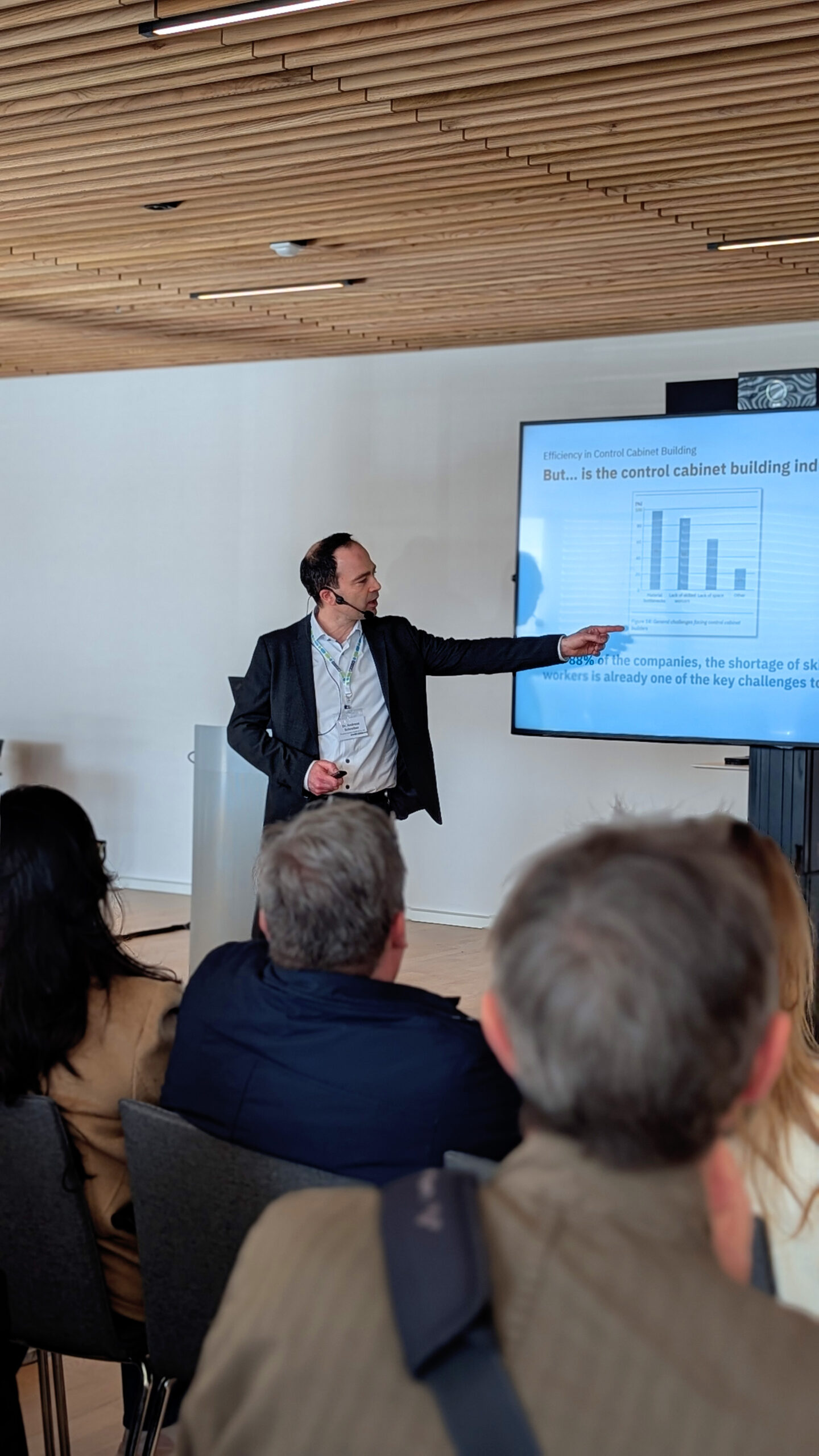
Industrial control cabinet building is undergoing a major transformation, driven by global energy transition goals, rapid industrial automation, and the need for efficient production processes. Traditionally, control cabinet manufacturing has been a manual and time-consuming process, heavily dependent on skilled labor. However, the industry is now facing a significant shortage of skilled workers, with nearly 88% of companies reporting workforce challenges. At the same time, global demand is rising rapidly, creating pressure on manufacturers to increase productivity and reduce delivery timelines.
According to industry insights, the world will require approximately 5.5 million control cabinets and nearly 16 million kilometers of new digitalized network infrastructure between 2020 and 2030. These numbers clearly indicate that traditional manufacturing methods alone will not be able to meet future demand. This is where digitalization, automation, and industrialization come into play.
Digital engineering tools and integrated software solutions are transforming the way control cabinets are designed and manufactured. Modern planning tools now allow engineers to create a complete digital image of a control cabinet from design and documentation to production and assembly. This end-to-end digitalization ensures data consistency across all stages of production, reduces errors, improves accuracy, and significantly shortens project timelines.
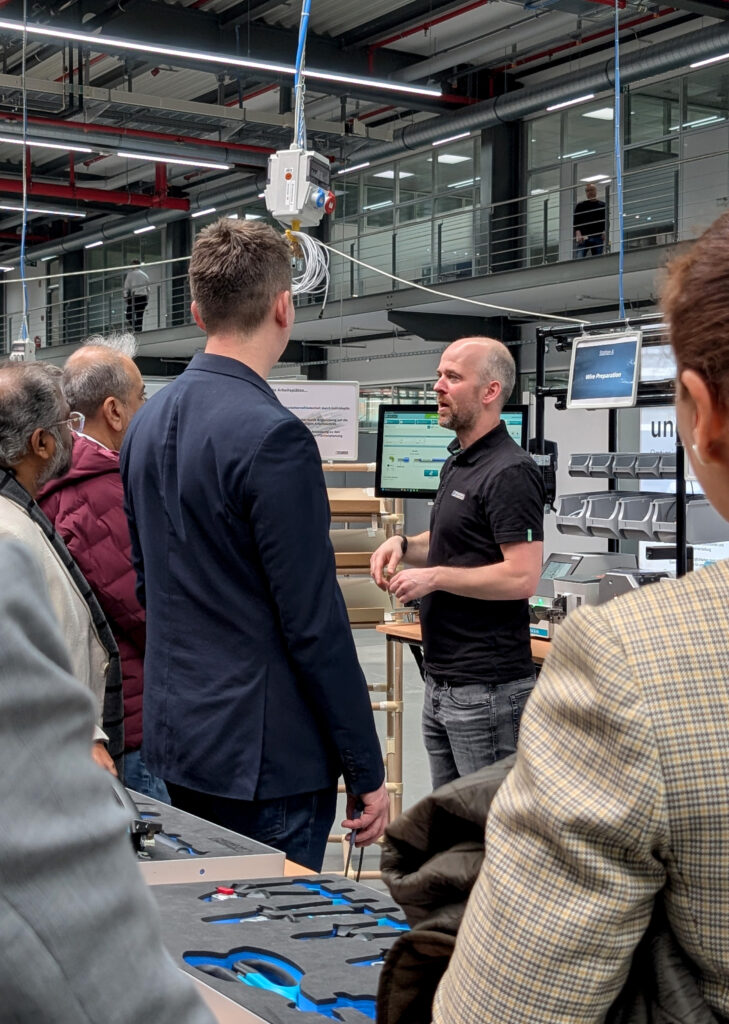
Automation is another key factor driving change in the industry. From ergonomically optimized workstations and worker assistance systems to fully automated terminal strip assembly, automation technologies are helping manufacturers improve productivity while reducing dependency on manual labor. Smart manufacturing systems are also enabling better resource planning, efficient material usage, and improved overall production efficiency.
Despite these advancements, only around 12% of companies have fully digitalized their production processes. This reveals a significant gap between demand and industry readiness. Companies that invest in digital transformation today will be better positioned to handle future market demands, improve operational efficiency, and remain competitive in the evolving industrial landscape.
Control cabinet manufacturing may not always be visible to the public, but it is a critical backbone of modern infrastructure, powering industries, buildings, transportation systems, and renewable energy networks. As the world moves toward an “All Electric Society,” the role of digitalized and automated control cabinet production will become even more important.
The future of the industry lies in complete digital integration, smart automation, and efficient engineering processes. Companies that embrace this transformation will not only increase productivity but also contribute significantly to the global energy transition. In the coming years, digitalization will not just improve control cabinet manufacturing it will redefine it.
For more info :
static.phoenixcontact.com